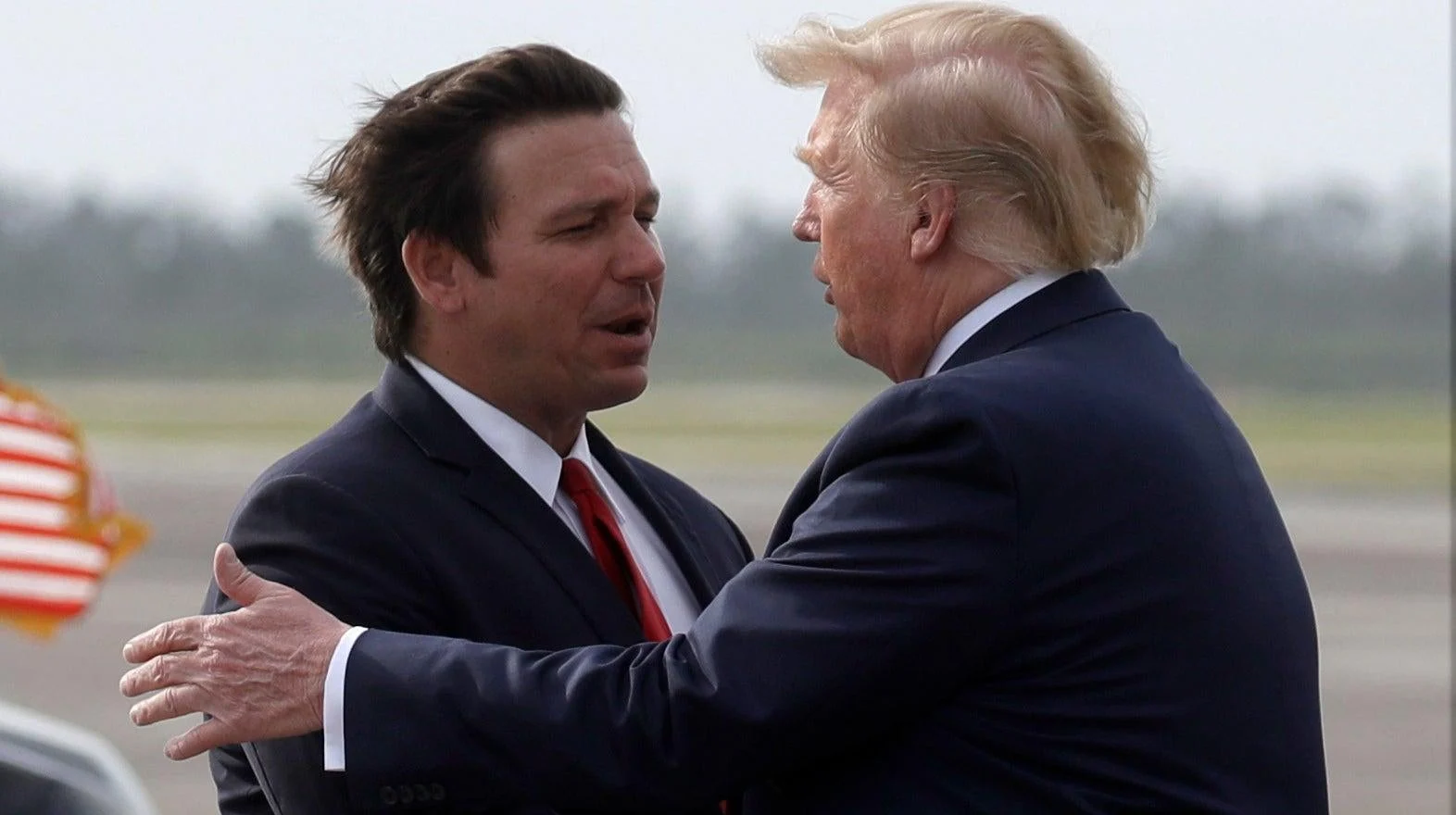
Donald Trump recently announced on Truth Social his intention to sign an executive order aimed at nullifying state regulations on artificial intelligence (AI). This news seems to have come as a surprise to Florida Governor Ron DeSantis, who just last week revealed his proposal for an AI Bill of Rights aimed at providing protections for Floridians and communities containing AI data centers.
DeSantis’s Bill of Rights proposes several safeguards similar to those seen in states like California. Key elements include:
- Mandatory notifications for consumers when engaged with chatbots.
- A prohibition against using an individual’s likeness without their consent.
- Restrictions on companies sharing user data with third parties.
Additionally, the proposal addresses more conservative concerns, such as preventing local governments from utilizing “Chinese-created AI tools,” including DeepSeek. This is a significant step toward ensuring the ethical deployment of AI technologies in Florida.
The scope of DeSantis’s proposal extends to notably impacted sectors like mental health services and insurance. For instance, licensed therapists and counselors would be barred from utilizing AI and from employing AI that mimics licensed professionals. Furthermore, it aims to restrict insurance companies from relying solely on AI when making claims decisions.
In another aspect of his proposal, DeSantis considers protections for residents living near potential data centers. This includes measures to prevent utilities from charging extra for energy fees associated with significant data centers. Moreover, the proposal seeks to limit tax incentives for major tech firms, empower local governments to reject unwanted projects, and halt construction of data centers on agricultural lands or nature reserves. It even contains a clause prohibiting data centers from being operated by foreign interests.
While DeSantis’s approach may appear robust, it has sparked criticism from influential conservative think tanks. The American Enterprise Institute admonished him for leaning toward the regulatory tendencies of blue states, while the R Street Institute cautioned that such regulations could undermine efforts to compete in the “AI Cold War” with China.
Complicating matters, DeSantis finds himself at odds with Trump, who proposes a “One Rulebook” for the AI industry. This could signal a shift toward a federal framework, potentially allowing for the suppression of state-level regulations. Unlike DeSantis’s more defined regulatory approach, Trump’s initiative raises questions about what such a rulebook would entail.
An interesting layer to this issue is the rift it has caused within the MAGA movement, particularly concerning disagreements surrounding state and federal AI regulations. While it’s doubtful that this conflict alone could cause significant fractures within the party, it does indicate the start of a division that DeSantis may be keen to exploit.
What is the significance of state regulations on AI? State regulations reflect localized concerns, allowing communities to tailor AI deployment according to specific societal values and ethical considerations. They often serve as a first line of defense against potential misuse of AI technologies.
How might Trump’s executive order impact AI firms? If enacted, Trump’s executive order could eliminate diverse regulatory landscapes across states, potentially simplifying compliance for AI firms but also raising concerns over ethical practices that local regulations aim to promote.
Could DeSantis’s AI Bill of Rights influence other states? DeSantis’s AI Bill of Rights could set a precedent, encouraging other states to adopt similar frameworks. This might lead to a broader national dialogue about the ethical deployment of AI and consumer protections.
Are there risks associated with unregulated AI development? Yes, unchecked AI development can lead to privacy violations, discriminatory practices, and heightened security risks. Local regulations can help mitigate these issues by enforcing ethical standards and accountability.
The ongoing debate about AI regulations underscores the delicate balance between innovation and protection. As the discussion evolves, staying informed and engaged is essential. For more insights into technology, regulations, and their implications, explore further with Moyens I/O.