For months, travelers from abroad and dual citizens have been increasingly concerned about how their social media activity might influence their ability to enter and exit the United States. This fear is not unfounded, as recent developments reveal how crucial these digital footprints really are.
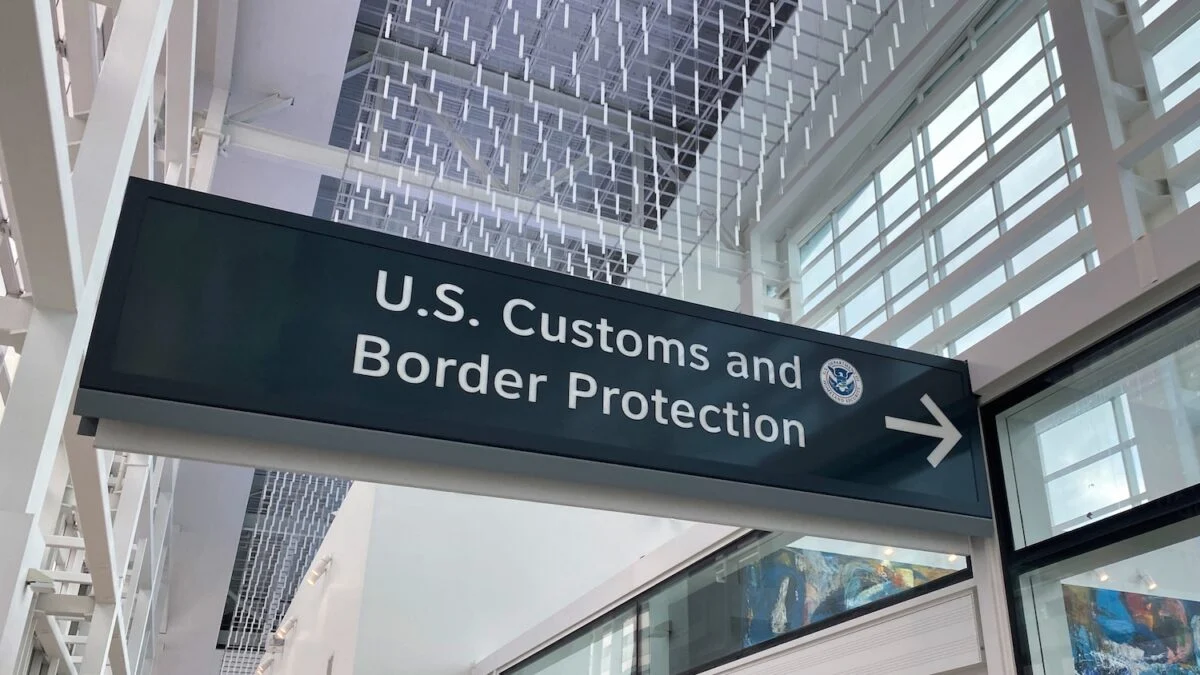
On Tuesday, U.S. Customs and Border Protection (CBP) updated its policies, revealing a significant shift in how they vet travelers. From now on, CBP intends to scrutinize tourists’ social media histories even if they originate from nations typically less subject to examination.
As part of this move, CBP announced, “In order to comply with the January 2025 Executive Order 14161 (Protecting the United States From Foreign Terrorists and Other National Security and Public Safety Threats), we are making social media a mandatory data element for an ESTA application. This means applicants will have to provide their social media handles from the past five years.”
This requirement specifically affects those using the Electronic System for Travel Authorization (ESTA). Unlike previous crackdowns focused on specific countries, like those impacted by Trump’s travel ban, this policy targets visitors from visa waiver nations which usually enjoy less restrictive entry policies. Once travelers from nations such as Australia, Japan, and the United Kingdom secure their $40 ESTA authorization through a straightforward application—available even as an app—they can typically stay in the U.S. for 90 days without additional red tape.
Moreover, CBP plans to request additional personal information, such as email addresses from the last ten years and details of family members, including their birth dates and addresses.
This isn’t the first instance of increased social media scrutiny. Earlier this month, the State Department announced an expansion of the vetting process for H-1B and H-4 visa applicants—individuals seeking to enter the U.S. for work. Those applying for these visas are advised to make their social media profiles public, with no limit on the contents they may review.
Bo Cooper, a representative from the immigration firm Fragomen, pointed out to the New York Times the potential consequences of these social media checks, remarking that travel could be denied based on what applicants have expressed online, thus influencing tourism numbers significantly.
According to a June study by the World Travel and Tourism Council, the U.S. is the only country among 184 analyzed that is expected to experience a decline in tourism numbers in 2025. This raises concerns about the long-term impact of these new policies on the industry and travelers.
Is it necessary to worry about your social media history when traveling to the U.S.? Absolutely, as these posts could now be a determining factor in whether you’re granted entry.
What kind of social media information do ESTA applicants need to provide? Applicants will be required to give their social media handles from the last five years, which includes any accounts they’ve used during that period.
How will these changes affect tourists from visa waiver countries? Tourists from visa waiver countries may face increased scrutiny during the application process, which may complicate their ability to visit the U.S.
Can previous posts on social media really affect your travel plans? Yes, CBP can deny entry based on what you posted online, emphasizing the need for travelers to be cautious about their digital footprint.
How do these policies compare to what other countries are doing? The U.S. is taking a particularly stringent approach among nations, indicating a notable trend of increased digital scrutiny globally.
In conclusion, as the landscape for international travel shifts, being mindful of your social media presence is more crucial than ever. For anyone considering visiting the U.S., it may be beneficial to review and, if necessary, adjust your online activities before you set off on your journey. For more insights and guidance, continue exploring content from Moyens I/O.