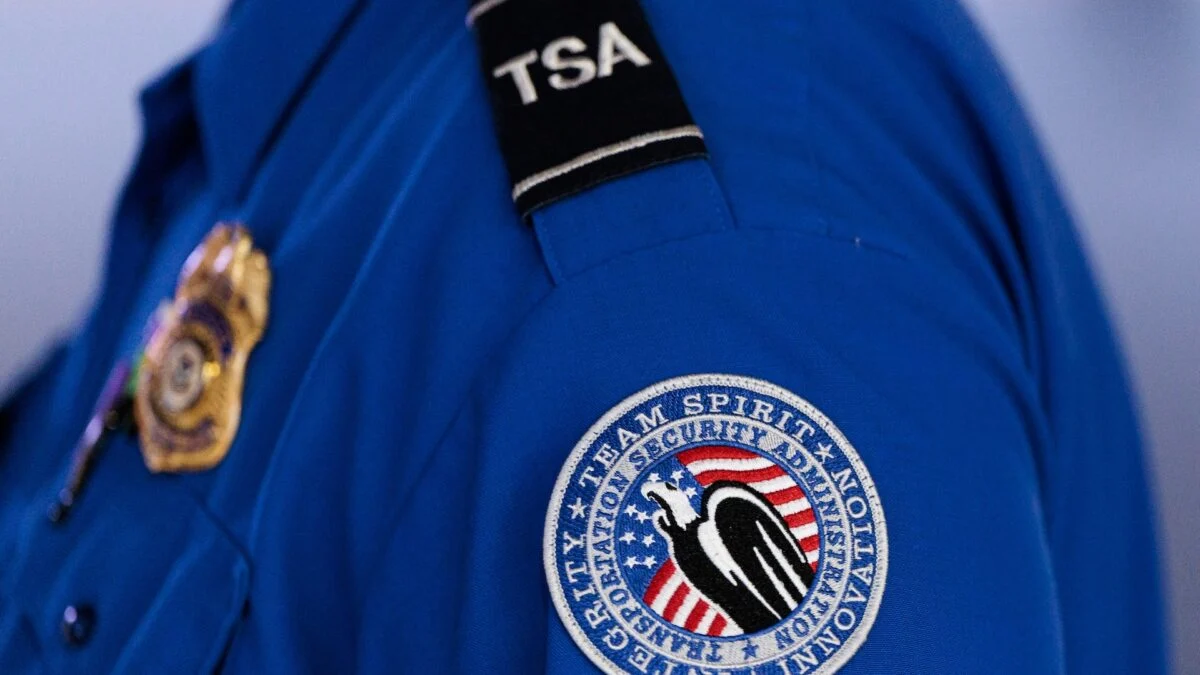
The Transportation Security Administration (TSA) has recently come under scrutiny for sharing the personal information of domestic air travelers with Immigration and Customs Enforcement (ICE). This practice, as reported by the New York Times, marks a significant shift in the TSA’s role, which has traditionally not involved itself in immigration enforcement activities. The connection between these agencies has raised serious concerns about civil liberties and individual rights during travel.
This new information-sharing initiative reportedly allows ICE to receive lists of travelers multiple times a week. These lists are compared against databases of individuals the Trump administration deems subject to deportation, often with troubling results. For instance, individuals who fall under this designation have sometimes included those who are not legally subject to deportation.
Why Is This New Cooperation with ICE Controversial?
The TSA’s data-sharing began in March, coinciding with new policies from the Trump administration that limited refugee admissions to just 7,500 for the 2026 fiscal year, a significant drop from the previous 125,000 refugees admitted under President Joe Biden. This can lead to heightened fears within immigrant communities, especially considering that arrests at airports, where travelers believe they are safe from such enforcement, have become more common.
Real-World Consequences of This Policy Change
The implications of this cooperation can be dire. A notable case involves Any Lucía López Belloza, a 19-year-old who was reportedly taken into custody at Boston Logan Airport and swiftly deported to Honduras, despite a judge ruling she should not be deported mere days before her removal. This incident underscores the potentially devastating impact of TSA’s new role in immigration enforcement.
What Measures Are Taken in Airport Security?
One reason ICE favors making arrests at airports is that individuals have already undergone security screenings, making the environment conducive for apprehensions without incident. This has led social media users to ask why these encounters often occur without violence, despite the prevalent gun culture.
How Does Trump’s Rhetoric Reflect on These Policies?
Trump’s public comments on immigration have often been inflammatory, with statements regarding immigrants from certain countries that many view as racist. This rhetoric not only influences public perception but also encourages policies that disproportionately target specific ethnic groups under the guise of national security.
What Should Travelers Be Aware Of?
For those traveling through U.S. airports, it’s crucial to be informed of these new protocols. Individuals may be unfairly targeted, and the consequences of being placed on the TSA’s list could lead to serious legal repercussions.
Many readers may wonder, “Is the TSA legally allowed to share my data with ICE?” Yes, under current policies, the TSA is permitted to share traveler information with ICE, raising privacy concerns.
Another common question is, “What can I do if I or someone I know is detained by ICE at an airport?” It’s important to know your rights and to seek legal assistance immediately if confronted by ICE agents.
People also often ask, “How has airport security changed since these reports?” Airport security has become more intertwined with immigration enforcement, making it a space not only for safety checks but also for potential immigration action.
As you navigate this complex landscape, remember that raising awareness and understanding your rights are key to protecting yourself and your loved ones while traveling. If you’re interested in more insights on immigration policies and their impact, feel free to explore related content at Moyens I/O.