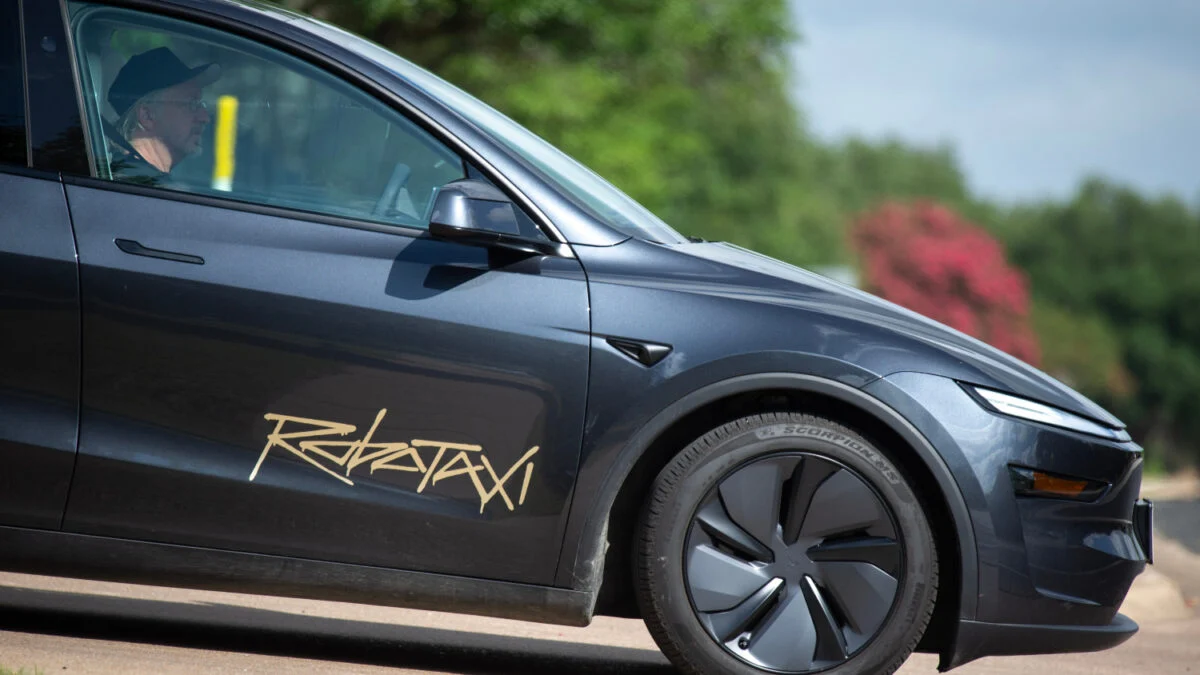
Elon Musk has set the internet ablaze by confirming that Tesla is testing its robotaxi program in Austin without any safety drivers—or even passengers. That’s right: the autonomous vehicle is driving around completely empty, and the excitement is palpable.
On a typical Sunday morning, an X user shared a video capturing a Tesla robotaxi cruising through Austin solo. The excitement spread like wildfire, with Musk’s supporters quickly sharing the clip as a monumental achievement, almost as if Tesla had just launched the first-ever rocket to Mars.
One enthusiastic user tweeted, “No one in the car. No safety driver. Fully autonomous. This is actually happening.” You could almost hear the cheers from Musk’s fanbase ringing out across the digital landscape.
Later that day, Musk himself chimed in with his confirmation: “Testing is underway with no occupants in the car.” Backing him up, Tesla’s head of AI, Ashok Elluswamy, also reposted the video, stating, “And so it begins!” Even Tesla’s official X account became part of the buzz, reposting the footage with the cheeky caption, “Just Saying.” In a tantalizing twist, that same night, they added a more enigmatic message: “Slowly, then all at once.”
What’s the Big Deal About This Video?
All this excitement seems a bit over the top, especially for what really amounts to a single video of a robotaxi cruising solo—a feat that Tesla’s competitors, like Waymo, have been achieving for years. In fact, Waymo operates a fleet of around 2,000 robotaxis across cities, including Phoenix and San Francisco, boasting over 450,000 paid rides weekly, nearly double the figure from just a few months ago.
How Does Tesla’s Robotaxi Service Compare?
To put things in perspective, Tesla kicked off its robotaxi service in Austin back in June, but initially, it was an invite-only program with a safety monitor on board. Currently, Tesla has just 31 active robotaxis operating in the city. It’s a small fleet that has already seen at least seven crashes since June, although details remain murky due to Tesla’s extensive redactions in reports to the National Highway Traffic Safety Administration, citing “confidential” business information.
Can Tesla Compete with Waymo?
This isn’t to say Waymo is immune to issues; they’ve also been involved in accidents. However, by Musk’s own lofty standards, Tesla has quite a bit of catching up to do. During a call with investors in October, Musk mentioned, “We are expecting to have no safety drivers in at least large parts of Austin by the end of this year.” With only 17 days left, will he meet that challenge?
What Are Robotaxis?
Robotaxis are fully autonomous vehicles designed to transport passengers without a human driver. Tesla’s approach focuses on optimizing AI for self-driving capabilities.
Are Robotaxis Safe?
The safety of robotaxis is a subject of intense debate, as incidents and accidents raise questions about their reliability. Both Tesla and Waymo continue to face scrutiny regarding their safety records.
How Does Tesla’s Robotaxi Service Work?
Tesla’s robotaxi service operates through a network of autonomous vehicles that can drive themselves without human intervention, initially involving safety monitors.
What Are the Benefits of Robotaxis?
Benefits include reduced transportation costs, decreased traffic congestion, and the potential for a more efficient transit system, especially in urban areas.
Excitement surrounding Tesla’s latest testing phase certainly paints a picture of technological advancement. However, as the competition heats up, only time will tell if Tesla will catch up and deliver on its ambitious promises. What are your thoughts on Tesla’s robotaxi tests? Leave a comment below!