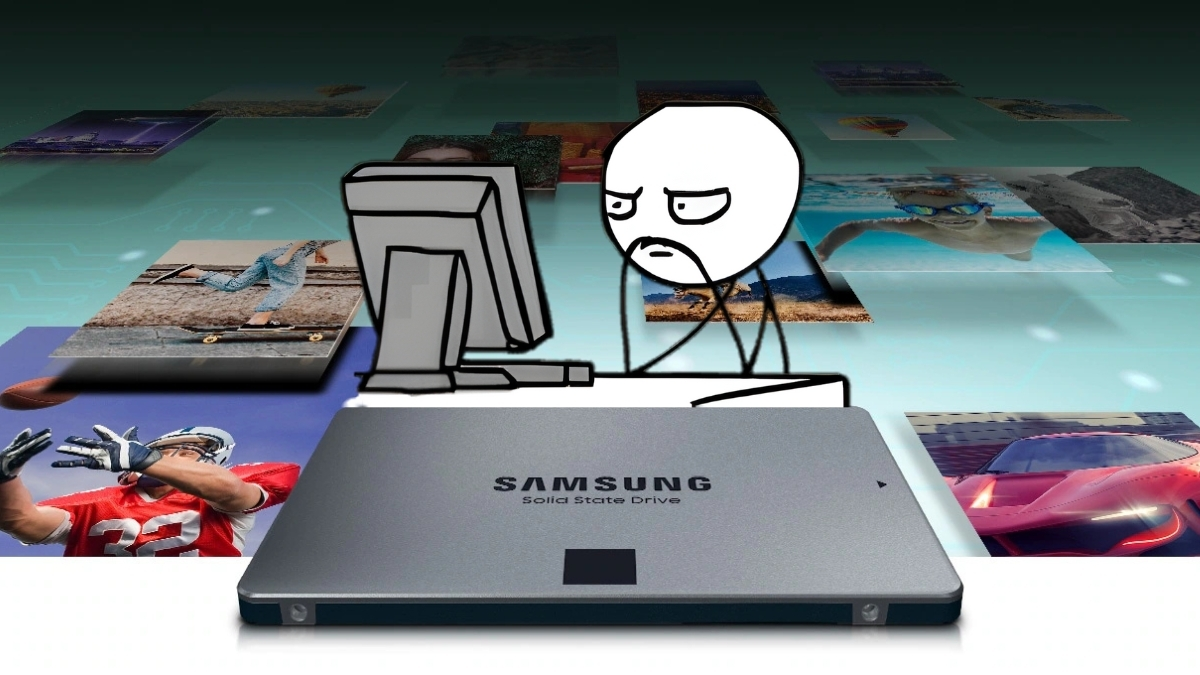
PC gamers and system builders could soon face another unwelcome challenge. Reports indicate that Samsung is set to stop producing SATA SSDs starting in 2026. This information stems from the trusted hardware leaker Moore’s Law Is Dead, who suggests that Samsung may officially announce its exit from the SATA market as early as January, likely during CES 2026.
Samsung Set to End SATA SSD Production
SATA SSDs might not be the fastest drives anymore, but they play a vital role in budget builds, upgrades, and older systems. Many still depend on these drives, including mobile devices. The leak reveals that about 20 percent of the top-selling SSDs on major online retailers remain SATA-based, with Samsung holding a substantial portion of that market. The exit of such a significant supplier could tighten the supply chain considerably, leading to price increases for both SATA and NVMe SSDs as demand shifts elsewhere.
This news raises concerns because it isn’t just a brand shift; it points to a real supply cut. Rumors suggest Samsung will cease all finished SATA SSD production after completing existing contracts, meaning they won’t be changing names and supplying the same drives under different labels. This reduction could trigger panic buying among businesses and system integrators still heavily dependent on SATA storage, further fueling price hikes over the next 12 to 18 months.
Micron’s RAM Exit Adds More Fuel to the Fire
Adding to the mounting pressure in the industry, Micron recently announced its pullback from the Crucial consumer RAM market, a decision also aligned with the rising focus on AI. While they’ll continue to provide DRAM chips to brands like Corsair and G.Skill, Micron has admitted that consumer memory is no longer a priority.
In contrast, Samsung’s move to halt SATA SSD production removes finished products from the marketplace, making the impact much more immediate for everyday users. Analysts predict that while pricing may stabilize around 2027 or 2028 as manufacturers return to consumer needs, the next few years could witness a scarcity of affordable storage, a sad side effect of the AI surge.
As Moore’s Law Is Dead pointed out, Micron’s step back from Crucial is more of a signal pointing to a trend where AI demand is overshadowing consumer PC hardware. The dreams of crafting a stellar gaming rig to play titles like Clair Obscure Expedition 33 may feel like a distant hope. Who knows, by the time prices settle, we may see a sequel arrive on our screens.
Will Samsung’s SSD manufacturing halt affect gamers significantly?
Yes, many budget-oriented gamers rely on SATA SSDs, and their absence may lead to higher prices and reduced availability for these essential components.
What alternatives are available if SATA drives become scarce?
Gamers may look towards NVMe SSDs, although they can be pricier. Exploring refurbished or other brands could also be an avenue to consider.
How long might these price increases last?
Price pressures could persist for 12 to 18 months until the market adjusts and manufacturers begin meeting consumer demand again.
When is Samsung expected to make an official announcement?
Samsung is anticipated to make its official announcement early in January 2026, possibly at CES.
Is Micron’s exit from the RAM market similar to Samsung’s SSD exit?
While both companies are exiting certain consumer markets, Micron’s focus on AI represents a strategic pivot, whereas Samsung’s SSD exit could lead to immediate product shortages.
What’s your take on Samsung halting their SSD manufacturing? Do you believe this will have a lasting impact on the PC gaming market? We’d love to hear your thoughts in the comments below.