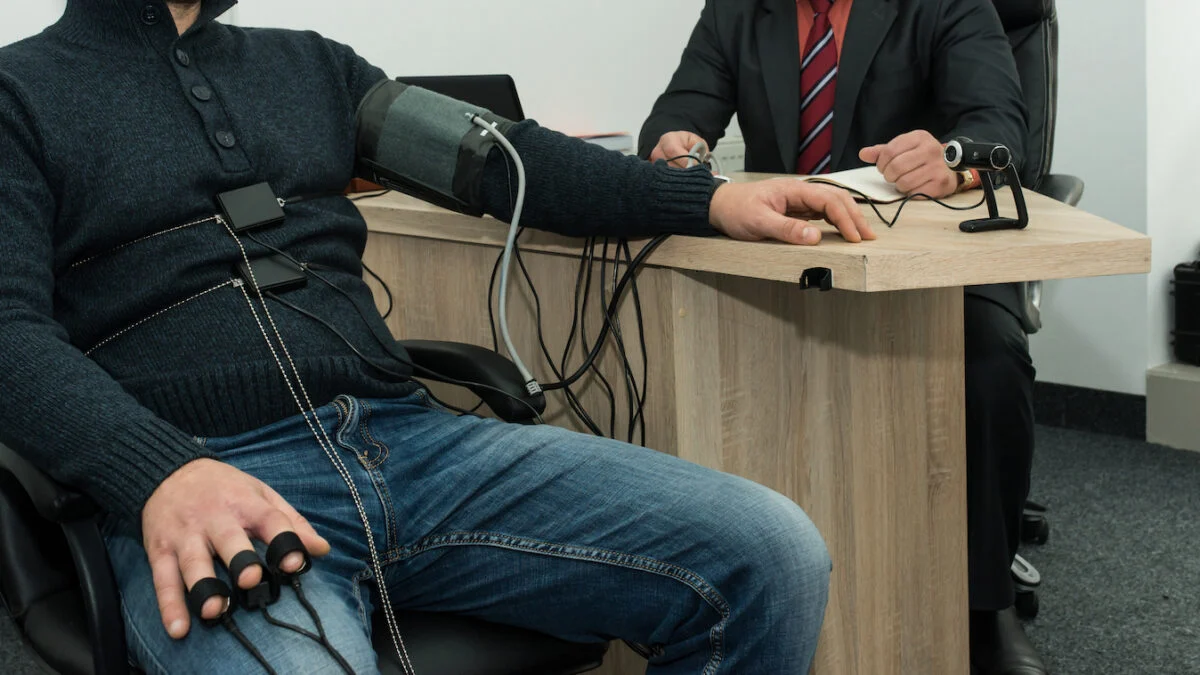
The U.S. Cybersecurity and Infrastructure Security Agency (CISA) is under fire, entangled in chaotic leadership drama that reads more like a sitcom than a serious national security operation. Allegations swirling around acting director Madhu Gottumukkala paint a picture of internal conflict and controversial decisions that are causing upheaval within the agency. Recent reports from Politico reveal a curious incident involving a lie detector test that escalated tensions to new heights.
Before taking the reins at CISA, Gottumukkala served as the Bureau of Information and Technology Commissioner for South Dakota. He stepped into the role of deputy director—effectively becoming the agency’s leader—due to the absence of a Senate-confirmed director. This peculiar situation has left CISA with a power vacuum that only adds to the chaos.
What Led to the Controversy?
The saga began when Gottumukkala attempted to access classified information concerning a sensitive intelligence program shared with CISA by another federal agency. Instead of support, he faced resistance from seasoned employees, who advised him that a less sensitive version of the information could meet his needs. It seems the agency aims to stick to security protocols to avoid unnecessary complications.
Gottumukkala, however, remained undeterred and submitted a request for this classified intelligence. His persistence did not go unnoticed, and the initial denial of his request created ripples among CISA’s ranks. It brings to mind episodes from the previous administration, where appointed officials clashed with long-standing government staff, dubbed “deep state” operatives by their critics.
Inside the Polygraph Incident
After his request was refused, Gottumukkala tried again, and this time, the approval process came with an unexpected twist. As described in Politico, a senior official who first denied the request ended up on administrative leave. By the time Gottumukkala’s renewed request was approved, the landscape within CISA had shifted, opening the door for potential access to that sensitive information.
Yet, this new approval came with a catch: Gottumukkala was required to take a polygraph test, a.k.a. a lie detector test. Though they might sound like something from a crime drama, polygraphs are indeed being used by federal agencies to identify potential leaks. Despite the drama, the results of the test reportedly raised more questions than answers. According to sources, Gottumukkala did not pass the test, further complicating the agency’s internal dynamics.
What Happened Next?
Once the news of the test reached the Department of Homeland Security, it was deemed “unsanctioned.” The fallout was swift: at least six career staffers involved in setting up the test found themselves on administrative leave with restricted access to classified information. The situation has sparked discussions about workplace culture at CISA and how pressure can inadvertently affect decision-making processes.
Why Is This a Big Deal for CISA?
This incident reflects broader issues within federal agencies where leadership and staff alignment can mean the difference between effective cybersecurity efforts and chaotic mismanagement. Encouraging open communication and collaboration is more crucial than ever in a world where the stakes are high and security threats are constantly evolving.
What Are the Implications for National Security?
With an agency tasked explicitly with protecting America’s infrastructure encountering such turmoil, the question of how this affects national security is pressing. A decimated internal structure could leave openings for cyber threats to breach U.S. defenses—a scenario that no one desires to see unfold.
Could CISA’s Chaos Have Long-Term Effects?
Absolutely. If internal conflicts persist and career staff feel marginalized or pressured, it could lead to a culture of mistrust that ultimately hinders CISA’s mission. Enhancing morale and clarity within the agency will be key to its future success.
Overall, the situation at CISA captures the high-stakes environment surrounding cybersecurity today. The mix of ambition and bureaucracy at play serves as a reminder that we must ensure our protective measures are efficient, cohesive, and robust. So, how can agencies like CISA right the ship and avoid future mishaps? What do you think about Gottumukkala’s position? Let me know in the comments below!