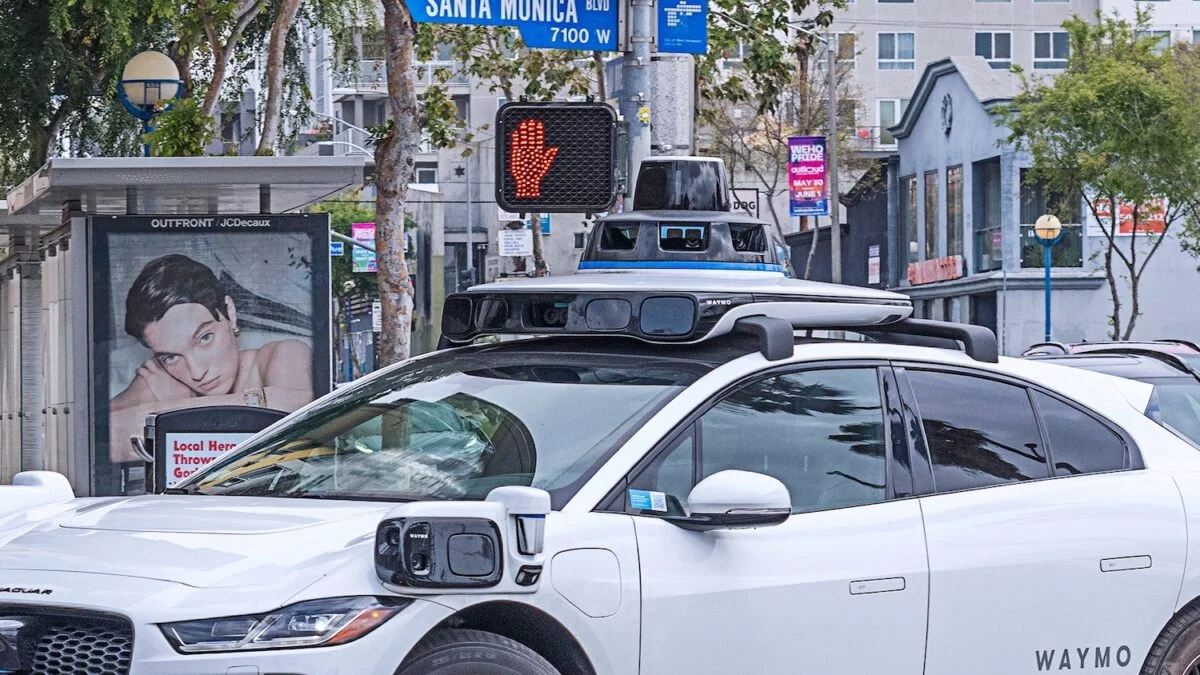
A gripping saga has unfolded between Waymo, the high-profile driverless car company, and the city of Santa Monica. For nearly a year, the two sides have clashed over noise complaints related to Waymo’s vehicles while they maneuver for charging. As the dispute drags into 2026, it continues to stir emotions in the community.
Recent reports from the Los Angeles Times reveal that both parties are now headed to court after failing to reach an agreement. The trials stem from lawsuits filed due to residential complaints about the vehicles’ disruptive noises, particularly the “electronic shriek” they emit when reversing and the glare of their lights disturbing the peace during late-night hours.
In January, Waymo launched two facilities in a local neighborhood intended to charge 50 of its battery-electric vehicles, which serve the Greater Los Angeles area. However, it wasn’t long before nearby residents voiced their grievances regarding the noise and flashing lights associated with the charging operations. A petition against the site quickly circulated, but city officials indicated they lacked jurisdiction over the noise, leaving it to state authorities.
While Waymo promised to mitigate the disturbances and enhance the area’s landscaping, Santa Monica officials issued an order last month. They instructed Waymo and its charging partner, Volterra, to halt charging operations between 11 p.m. and 6 a.m., aiming to quell the nighttime disruptions.
Waymo responded by filing a counter-suit, asserting that its vehicles do not create a public nuisance. This prompted an escalation of legal actions, culminating in a case that will find its way to Los Angeles County Superior Court in 2026.
Despite the ongoing legal wrangling, 2025 has marked significant advancements for Waymo, including expansions into cities such as Los Angeles, Phoenix, and Atlanta. As it navigated the competitive landscape of the robotaxi sector, the company also faced challenges, including a public relations setback amid a city-wide power outage in San Francisco, prompting a commitment to improve its operations.
Why are residents upset about Waymo’s vehicles?
Residents claim the vehicles’ reversing noise and bright headlights disturb their sleep, making their nighttime experiences uncomfortable and stressful.
What measures has Waymo taken to address the complaints?
Initially, Waymo pledged to reduce noise and improve landscaping at its charging stations. However, the response has been insufficient in alleviating the concerns of local residents.
What will happen next in the Waymo and Santa Monica legal battle?
With both parties filing competing lawsuits, the matter will proceed to court in early 2026, where a resolution is anticipated, albeit further down the line.
What impact does this situation have on autonomous vehicle technology?
This is a pivotal moment for Waymo as it challenges the acceptance of autonomous technology within communities, emphasizing the importance of balancing innovation with local concerns.
As this conflict continues to unfold, it sparks conversations about urban development and technology integration. How communities such as Santa Monica adapt to these advancements will shape the future of driverless cars. What are your thoughts on how companies should manage their impacts on local neighborhoods? Feel free to share your opinions in the comments below!