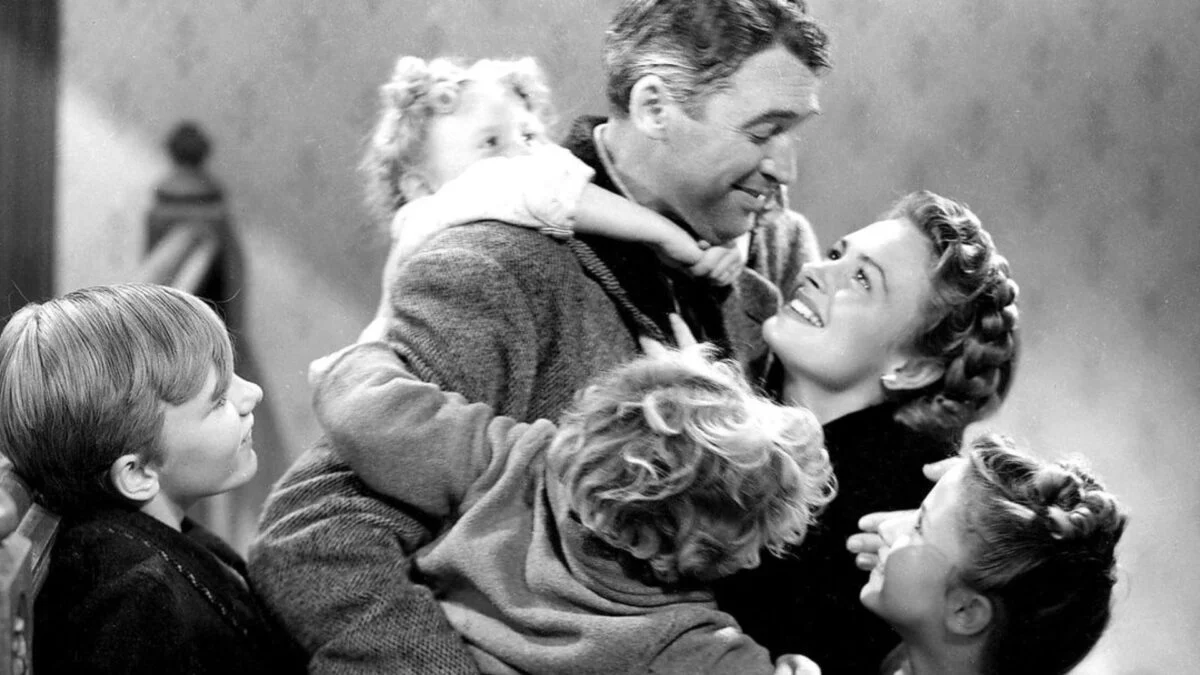
Frank Capra’s 1946 classic It’s a Wonderful Life holds a special place in the hearts of holiday movie lovers. It’s not just a seasonal staple; many argue it’s one of the greatest films ever made. The movie’s emotional climax occurs when George Bailey (played by the iconic Jimmy Stewart) confronts an alternate reality, revealing the profound impact his life has had on his community. This pivotal moment leads to a touching finale, showcasing the love and gratitude of those around him.
But imagine if that pivotal scene vanished. What if George Bailey never glimpsed his own worth? It’s a question that almost seems absurd—like asking what Home Alone would be without its clever traps. Yet, astonishingly, there’s an altered version of It’s a Wonderful Life where this treasured segment is completely missing, and it’s left many of us scratching our heads.
When I sat down to watch It’s a Wonderful Life on Prime Video last year, I stumbled upon multiple versions of the film. There’s the cherished black-and-white original, which remains the gold standard for viewers. However, I also discovered a colorized version (which, let’s face it, can feel a bit sacrilegious) and a bizarrely shortened “abridged” edition. The latter particularly piqued my curiosity. How could a movie as perfect as this be trimmed down? Could it really be better with parts cut out?
The shocker? This edition is a full 12 minutes shorter than the classic. Strangely, the version opts to eliminate George’s transformative interaction with his guardian angel, Clarence. The scene unfolds just as you’d expect—Clarence jumps into the river, George saves him, and the moment of realization begins. But instead of continuing, the film abruptly cuts to George joyfully shouting, “Mary!” back in the present, skipping the emotional journey through Pottersville and the heartfelt reunion scenes with friends. This edit strips the film of its soul, leaving audiences puzzled and disappointed.
When I first discovered this altered version, I shared my disbelief on social media, and it quickly caught fire. Many commenters suggested a theory that made sense. This peculiar cut hinges on copyright issues. The famous alternate universe scene in Pottersville is inspired by a short story titled “The Greatest Gift” by Philip Van Doren Stern, which holds a different copyright than the film itself. Since It’s a Wonderful Life entered the public domain in 1975, this odd version exists to sidestep legal entanglements, though the absence of the most impactful scene makes it feel like a crime against cinema.
Fortunately, there’s no need to accidentally stumble onto this version. It’s clearly marked as “abridged,” with a warning that it’s shorter and offers a different ending. Still, the fact that it’s readily accessible feels somewhat sinister—like a plot twist straight out of Old Man Potter’s playbook, attempting to rob us of the joy that George Bailey’s journey brings.
If you’re looking to experience the real magic, stick to the original, black-and-white version of It’s a Wonderful Life available here. Just be cautious if you’re exploring other options.
What is the abridged version of ‘It’s a Wonderful Life’?
The abridged version of It’s a Wonderful Life omits key scenes, including George Bailey’s experience with his guardian angel, Clarence, which ultimately undermines the film’s emotional impact.
Why was that scene removed from the film?
The scene’s removal is linked to copyright issues surrounding the source material, a short story called “The Greatest Gift,” which is separate from the film’s content.
Where can I find the original version of ‘It’s a Wonderful Life’?
You can watch the original black-and-white version on platforms like Prime Video, ensuring you experience the film as intended.
Why is the original version considered superior?
The original version captures the full emotional arc of George Bailey’s story, making it a timeless classic that resonates with audiences during the holiday season and beyond.
Are there any other versions of ‘It’s a Wonderful Life’ worth watching?
Beyond the classic black-and-white version, a colorized edition exists, though many fans prefer to stick with the original due to its authentic charm and storytelling.
Have you ever accidentally watched a movie version that felt all wrong? Let me know your thoughts below!