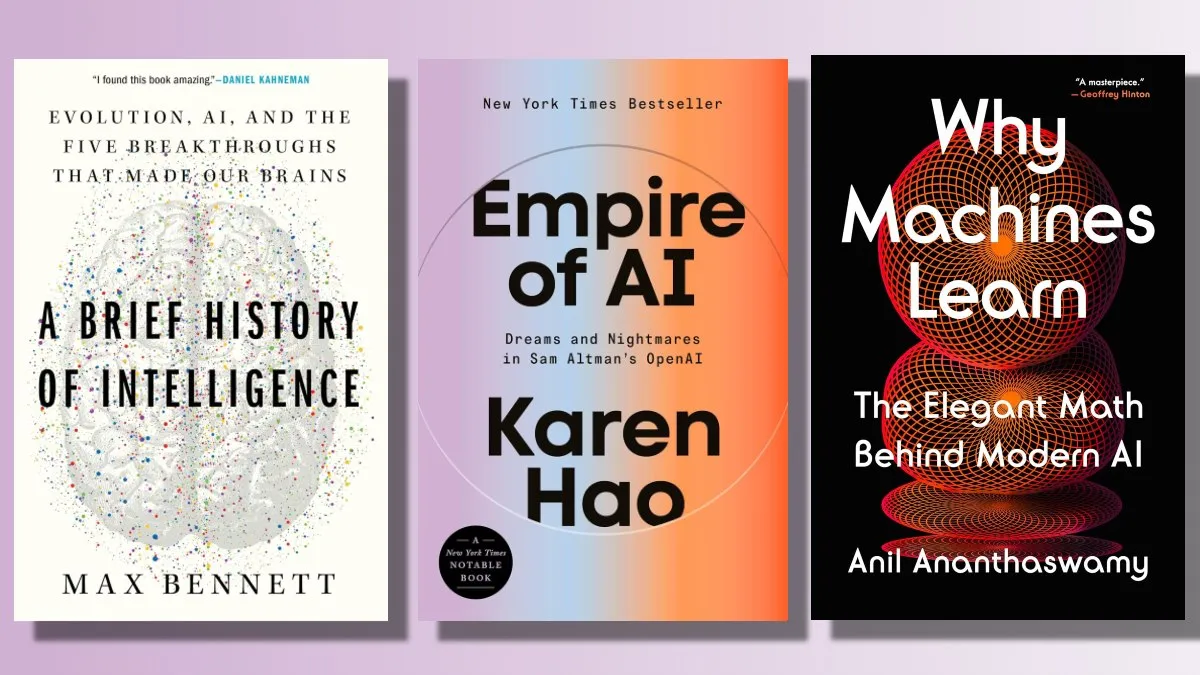
Artificial Intelligence is not just a buzzword of the future; it’s a fast-evolving reality that permeates our lives today. To grasp the nuances of this transformative technology, we’ve curated a list of the best books on AI for 2026. These selections balance insights on AI’s capabilities and limitations, giving you a rich perspective on what AI truly means. So, let’s dive into some must-read titles!
1. Supremacy by Parmy Olson
In “Supremacy: AI, ChatGPT, and the Race That Will Change the World,” Parmy Olson, a journalist with Bloomberg, offers an inside look at the current AI revolution. This book snagged the 2024 Financial Times Business Book of the Year Award for good reason. Olson dissects the fierce competition between OpenAI and Google DeepMind, two giants racing to create Artificial General Intelligence (AGI).
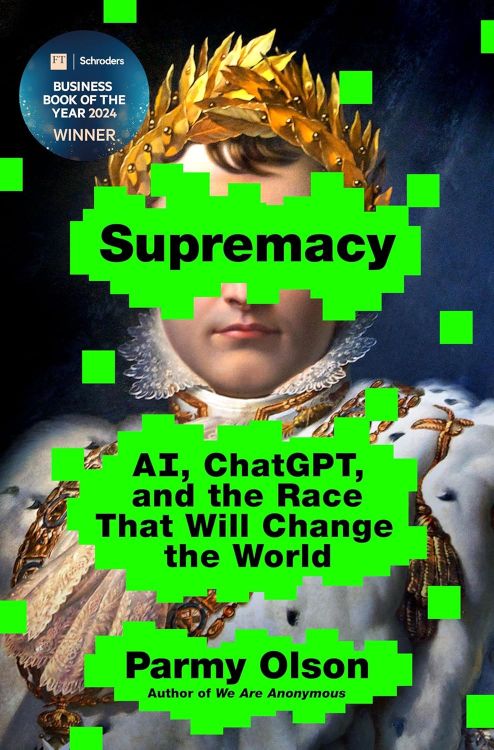
This book paints a captivating picture of the corporate and human drama behind AI advancements, focusing on key figures like OpenAI’s Sam Altman and DeepMind’s Demis Hassabis. Olson doesn’t shy away from discussing the real risks associated with AI, like the spread of biased information in vital sectors such as education and media. It’s intense yet informative, much like a gripping thriller.
2. Empire of AI by Karen Hao
In “Empire of AI: Dreams and Nightmares in Sam Altman’s OpenAI,” Karen Hao dives deeply into the inner workings of OpenAI. As a contributing writer at The Atlantic, she traces the organization’s evolution from a non-profit research entity to a massive powerhouse driving the AI race. Hao’s access from 2019 up to now gives readers an unmatched view of its transformation.
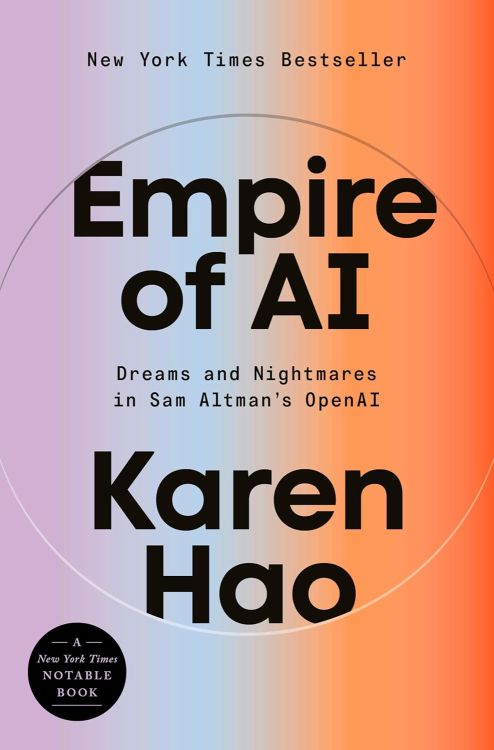
Hao portrays AI entities like OpenAI as modern empires that harness resources without consent to train their algorithms. She sheds light on the plight of underpaid data workers in Kenya, who label sensitive content, and discusses the environmental costs of training large AI models. The book even asks tough questions regarding who stands to benefit from AI and who bears the burden.
3. Why Machines Learn by Anil Ananthaswamy
For those curious about the math behind AI, “Why Machines Learn: The Elegant Math Behind Modern AI” by Anil Ananthaswamy makes complex concepts approachable. This title not only won the 2024 Artificiality Book Awards but also earned a spot on The Information’s list of top AI books.
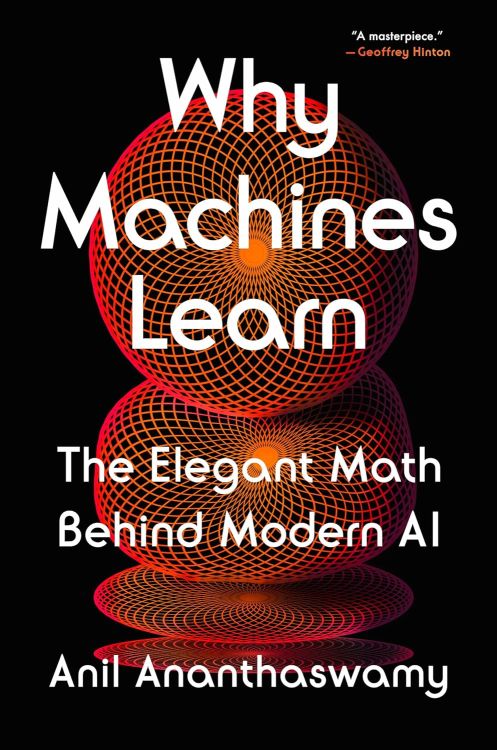
Ananthaswamy simplifies complex mathematics by taking readers on a journey through the algorithms that fuel today’s AI technologies. If you have ever been intrigued by why machine learning works the way it does, this book will enlighten you while laying bare its limitations.
4. Co-Intelligence by Ethan Mollick
If you see AI as a collaborator rather than just a tool, “Co-Intelligence: Living and Working with AI” by Ethan Mollick is a great read. Written by a professor at Wharton, this book combines rigorous research with practical strategies for effectively partnering with AI systems available today.

This title focuses on practical applications of AI, from enhancing your writing to brainstorming solutions efficiently. If you work in a professional setting, you’ll find actionable insights that elevate how you interact with AI.
5. A Brief History of Intelligence by Max Bennett
Max Bennett’s “A Brief History of Intelligence: Evolution, AI, and the Five Breakthroughs That Made Our Brains” offers a fascinating perspective by connecting biological intelligence with its artificial counterpart. Instead of focusing solely on technology, Bennett explores five pivotal evolutionary milestones that shaped intelligence.
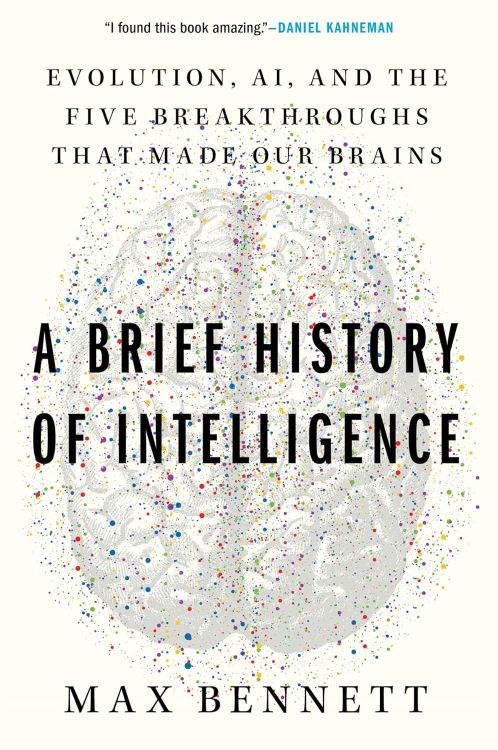
By examining how intelligence evolved from simple organisms to today’s complex brains, Bennett offers insights into AI’s future possibilities and limitations. This thought-provoking approach enriches our understanding of what intelligence really is.
6. AI Snake Oil by Arvind Narayanan and Sayash Kapoor
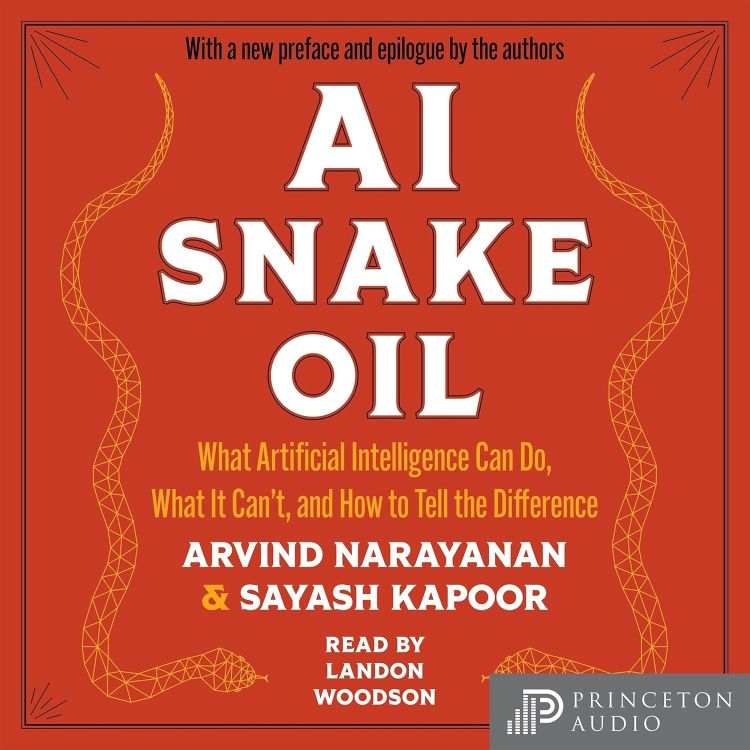
This book is a treasure for business leaders and policymakers, guiding them on how to assess AI claims and identify genuinely useful applications. While critical, it remains optimistic about AI’s potential, making it a must-read for anyone involved in AI-related decision-making.
7. Artificial Intelligence: A Guide for Thinking Humans by Melanie Mitchell
“Artificial Intelligence: A Guide for Thinking Humans” is a balanced look at AI’s capabilities and ethical implications. Written by renowned computer scientist Melanie Mitchell, this book acts as an antidote to the hype surrounding AI by offering a thoughtful perspective on what AI can achieve.
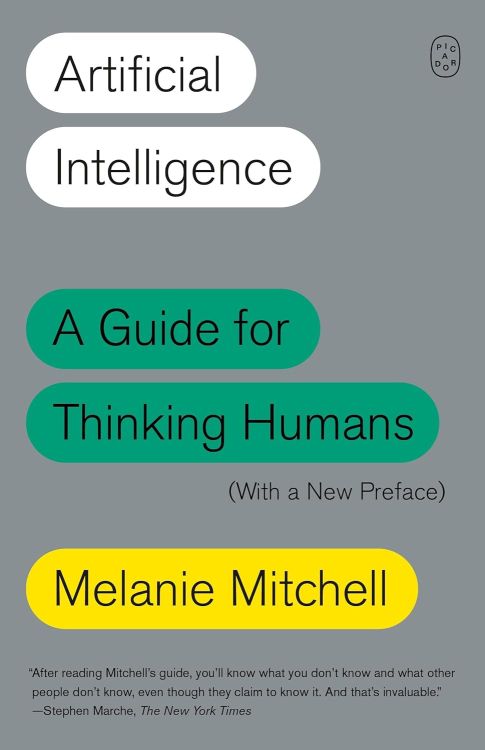
Mitchell addresses a common shortcoming of AI systems: their lack of common sense. Blending humor with serious insights, she helps readers understand what AI has accomplished and what challenges lie ahead. For anyone looking to cut through the AI hype, this book is essential.
These are some of the best books on AI for 2026, offering a blend of historical context, ethical considerations, and technical insights. As we continue to explore the evolving landscape of AI, these reads are sure to guide you through understanding its capabilities, history, and limitations. Did your favorite AI book make the list? Let me know your thoughts in the comments below!