For fans of action-packed Western animation, 2005 is a landmark year. It all began with the premiere of Avatar: The Last Airbender, a series that introduced a sophisticated, anime-influenced storytelling style that appealed deeply to its audience. By the end of the year, another game-changer emerged: Ben 10. While these two shows may feel different, they’re both cornerstones of a generation’s viewing experience.
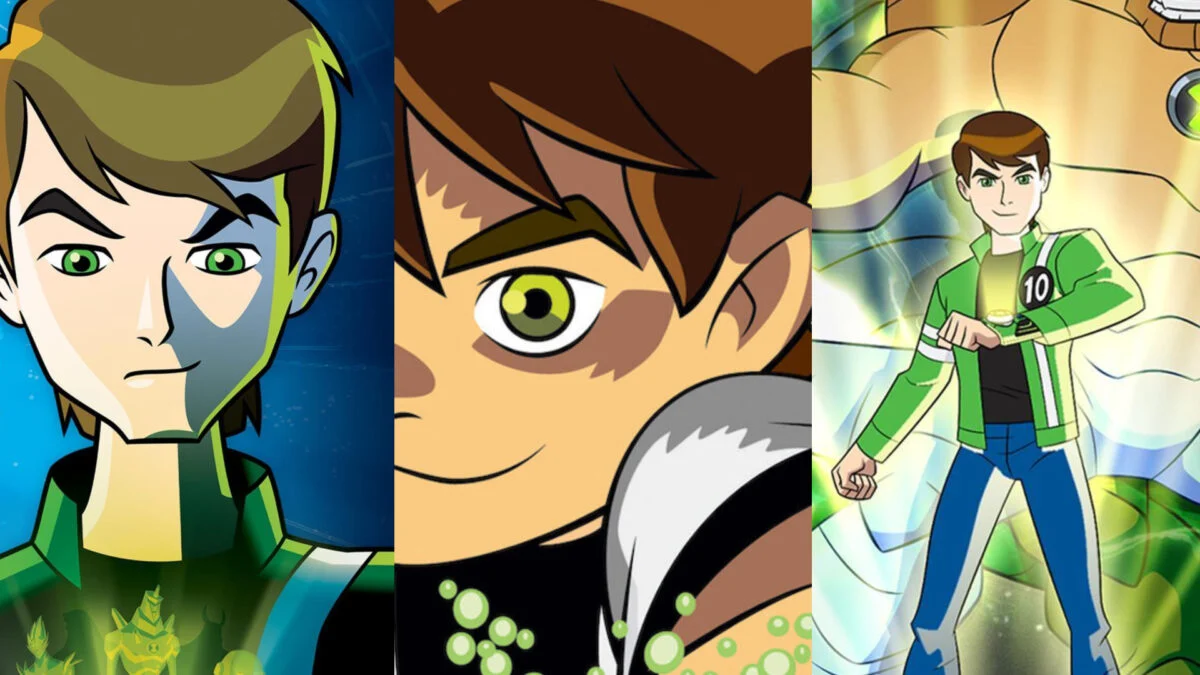
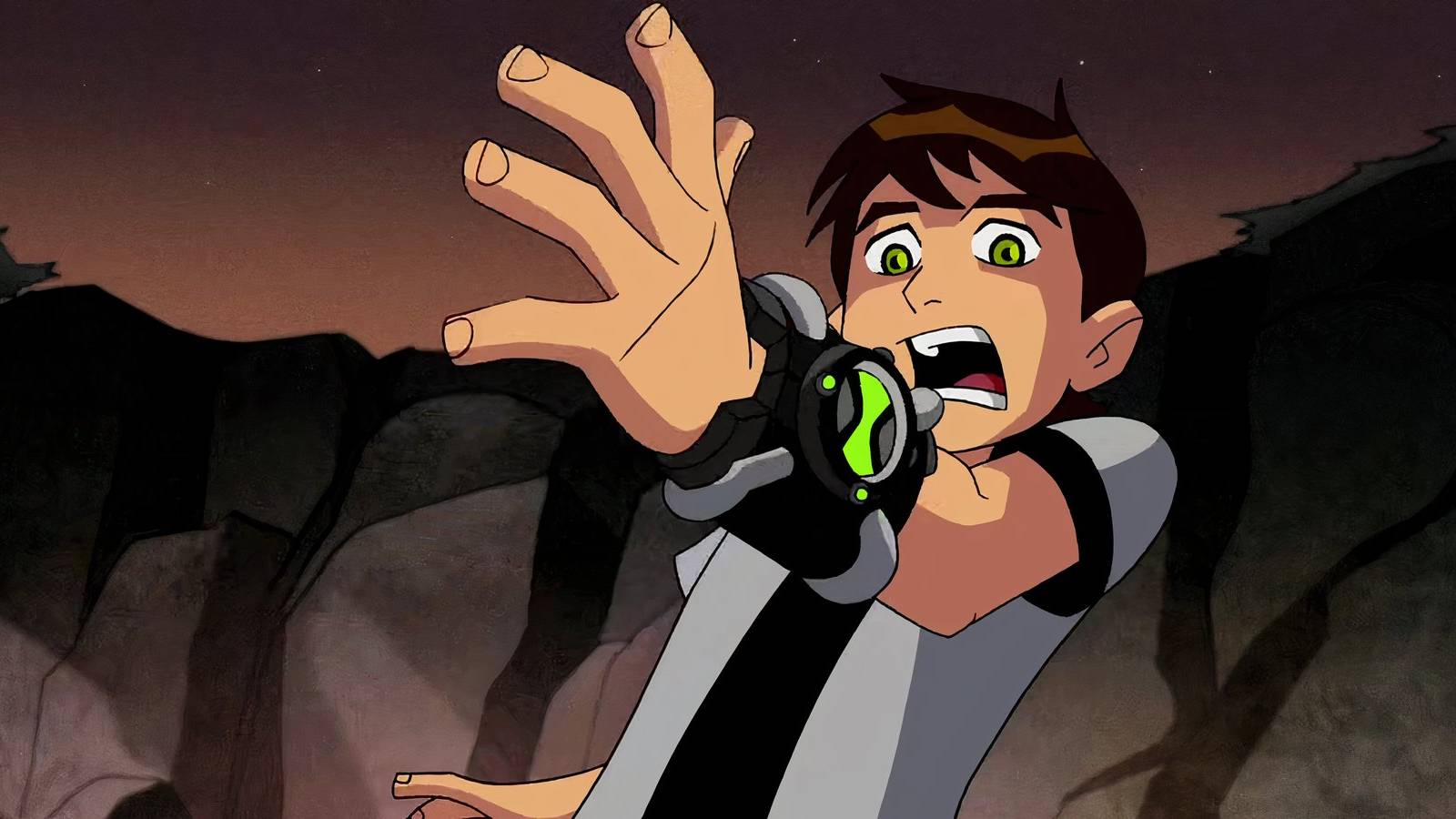
Launched on December 27, 2005, Ben 10 debuted as the first project from the animation studio Man of Action. The show follows the adventures of 10-year-old Ben Tennyson, who discovers an alien watch called the Omnitrix. This incredible device allows him to transform into 10 different aliens—all for just 10 minutes at a time. Along with his cousin Gwen and Grandpa Max, Ben embarks on a summer road trip across the country, engaging in thrilling battles against villains like monstrous clowns and rogue aliens eager to steal the Omnitrix.
At first glance, the premise seems straightforward. Yet, the show’s execution was masterful. The founding team of Man of Action included renowned comic book writers and artists such as Joe Casey and Duncan Rouleau, whose contributions to Marvel and DC are legendary. Knowing this, you can appreciate the comic influences woven into the show—think Kirby Krackle and characters like Kevin Levin, who blends traits of Super-Skrull and Metamorpho. The magic lies in the show’s playful spirit, from its catchy theme song to the captivating transformations of Ben’s aliens. Who wouldn’t want to become XLR8 or Four Arms for just a few minutes?
Unsurprisingly, Ben 10 became a sensation for Cartoon Network, running for four seasons, spawning three movies (including a live-action feature), and inspiring a successful video game. Its legacy extends through various merchandise and spin-offs, including Alien Force, Ultimate Alien, which turned 15 earlier this year, and Omniverse. Much like Avatar, Ben 10 was tailored for children but evolved alongside its audience. As Ben, Gwen, and Kevin transitioned into their teenage years, viewers found a relatable hero, even before Ben’s voice actor, Yuri Lowenthal, later became the iconic Spider-Man.
What truly sets Ben 10 apart is that it was original content, allowing for continuous surprises each week without the baggage of pre-established stories. While Spider-Man and Batman adaptations often left viewers wondering about story continuity, Ben 10 maintained a cohesive narrative while exploring numerous superhero tropes. Much of this success is credited to comic writer Dwayne McDuffie, who played a crucial role in developing Alien Force and Ultimate Alien until his untimely passing in 2011.
The lasting popularity of Ben 10 influenced Cartoon Network’s programming strategy, paving the way for more action-oriented series. While earlier shows like Megas XLR and Juniper Lee had limited runs, Ben 10 opened the floodgates for series like Generator Rex and Secret Saturdays. Although Generator Rex featured a separate universe and a crossover with Ben in the Heroes United special, it didn’t quite capture the same magic. Similarly, Secret Saturdays shared a universe with Omniverse but landed with less impact.
While neither Rex nor Saturdays was poorly executed, they simply didn’t resonate in the same way as Ben 10, which had been captivating audiences for half a decade. In 2005, superhero culture was on the rise, and by 2008, it had begun to dominate popular media. Kids were gradually introduced to this world of heroes, with Alien Force premiering just days after the original series concluded—coinciding perfectly with the release of Iron Man and months ahead of The Dark Knight.
This strategic move by Cartoon Network established Ben 10 as a multimedia franchise that helped solidify its brand identity. Following a divisive reboot, which wrapped in 2021 with four seasons, a movie, and crossover specials with both Generator Rex and earlier iterations of Ben, Man of Action isn’t ready to let go of this beloved creation. They plan to explore fresh comics and have teased the potential for another live-action movie, especially after the first attempt didn’t take off. Also on the table? A possible adult-oriented sequel, akin to Samurai Jack or Fionna and Cake.
While this direction might seem contrary to the whimsical spirit of the original, it raises an intriguing question: what more can Ben 10 achieve if it dares to take bold steps?
What makes Ben 10 special compared to other cartoons?
Ben 10 stands out because it offers original storytelling and character development that evolves as the audience grows, making it relatable for both kids and adults.
How many seasons of Ben 10 are there?
The franchise includes four seasons of the original series, as well as several spin-offs, meaning there’s a wealth of content for fans.
Is there a future for Ben 10 beyond the reboot?
Absolutely! There are plans for comics and the potential for an adult-oriented series, showing that Ben 10 isn’t done captivating audiences just yet.
Why did Ben 10 resonate so much with viewers?
Its unique premise, engaging characters, and relatable storylines allowed kids to enjoy the thrills of being a superhero while also connecting with the characters on a personal level.
If you’re a fan of action-packed adventure with a touch of nostalgia, diving deeper into Ben 10 is well worth it. What part of the Ben 10 universe has captivated you the most? Share your thoughts in the comments below!