The AI landscape is evolving rapidly, and every month it seems like there’s a new contender stepping into the ring. After a month of hands-on testing, I’ve compiled a list of the top 10 AI models that have truly made waves. From coding to complex problem-solving, these models have showcased remarkable capabilities over the past month, offering solutions that not only impress but also perform under pressure.
Now, I’m excited to share this curated list that reflects my experiences with these AI models. You might find just the right tool to tackle your own unique challenges.
Best AI Models Reviewed
| AI Models | Ideal For | Limitations | Pricing |
|---|---|---|---|
| Claude Opus 4.5 | Coding, general conversation, planning | Limited multimodal abilities | From $17/month (€16) |
| Gemini 3 Pro | Multimodal tasks, complex problem solving | Occasionally less responsive | From $20/month (€19) |
| GPT 5.2 Pro | Analytical work, math and science challenges | Tends to loop on some queries | $200/month (€190) |
| Grok 4.1 | Real-time data extraction | Highly uncensored | Free, from $30/month (€28) |
| DeepSeek V3.2 Speciale | Math, coding challenges | Verbose output | Free, via API |
| Qwen3 Max | Open-weight model for varied tasks | Inconsistent performance | Free |
| GLM 4.7 | Affordable coding alternative | Smaller community | Free |
| Kimi K2 Thinking | Complex workflow automation | Verbose reasoning paths | From $19/month (€18) |
| Mistral Large 3 | Best for European language support | Not at the forefront | From $14.99/month (€14) |
| MiniMax M2.1 | Swift local coding tasks | Weaker in math | Available via API |
1. Claude Opus 4.5
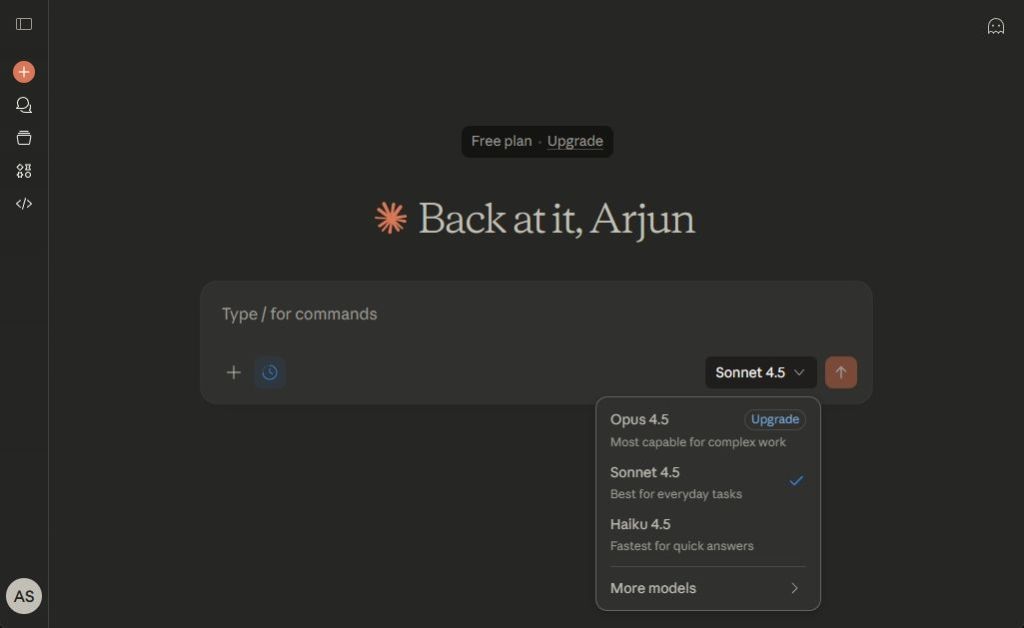
Having tested Claude Opus 4.5, I discovered it shines in coding and general chat scenarios. It’s not just about the code; it’s effective in planning and tool calling, making it a versatile choice. I loved its engaging responses, thanks to its underlying “Soul” document process that gives it a more authentic touch. It certainly impressed me with its performance quality—especially compared to alternatives like ChatGPT.
2. GPT-5.2 Pro
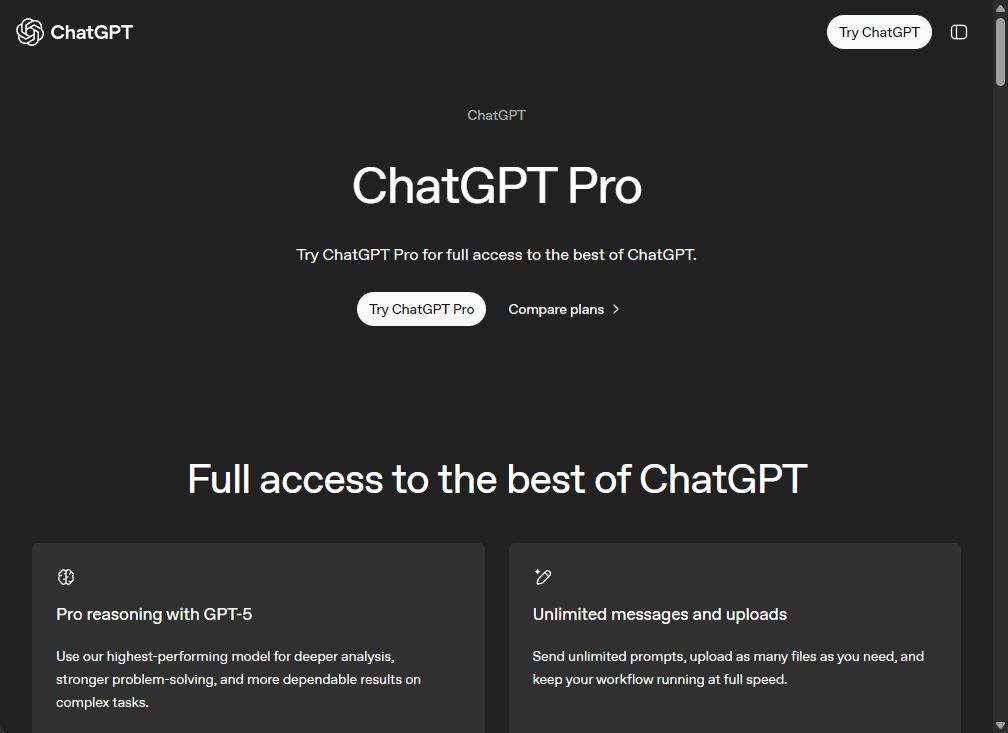
Next up is OpenAI’s GPT-5.2 Pro, which I found to be a powerhouse, especially for math and science questions. Although it comes with a hefty price tag of €190 per month ($200), it’s worth every penny for serious analytical work. The model’s extended reasoning time really sets it apart, helping it to navigate complex problems effortlessly.
3. Gemini 3 Pro
Google’s Gemini 3 Pro snags the third spot on my list. I noticed it excels in multimodal tasks, particularly in generating and processing images. While it may lag slightly behind in text coding compared to Claude and GPT, its capabilities in multimedia contexts are impressive. And did I mention it can handle video processing too?

4. Grok 4.1
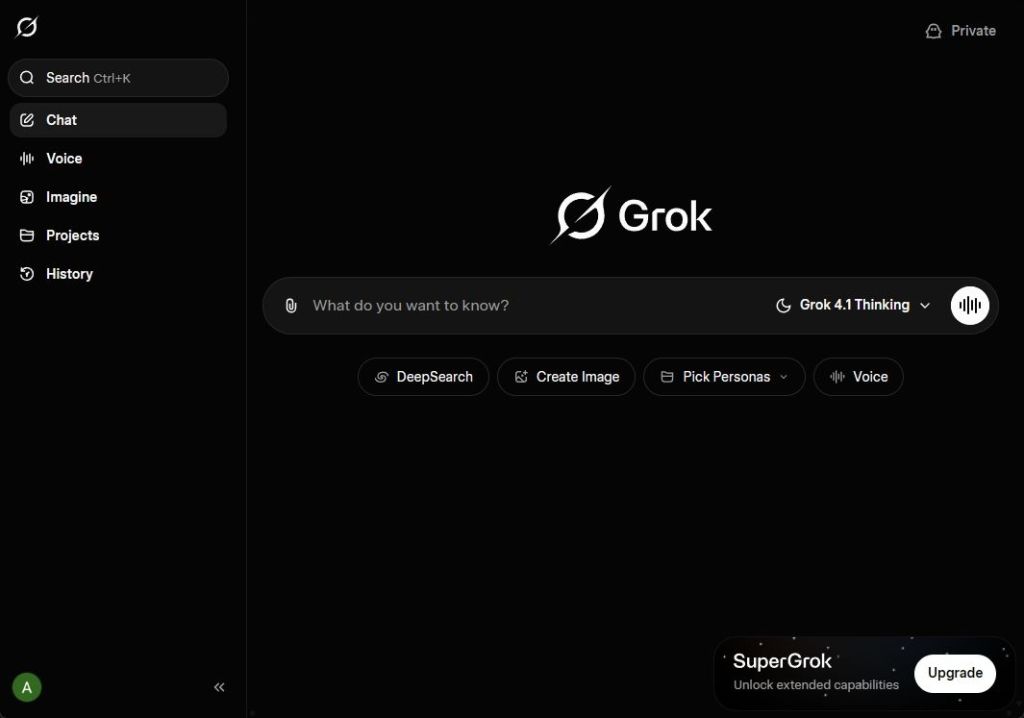
Elon Musk’s Grok 4.1 came as a surprise during my tests. It’s known for its uncensored nature, but it also delivers solid performance. Ranked third on the LMArena leaderboard, it offers real-time access to data, making it versatile for various tasks while managing emotional intelligence incredibly well.
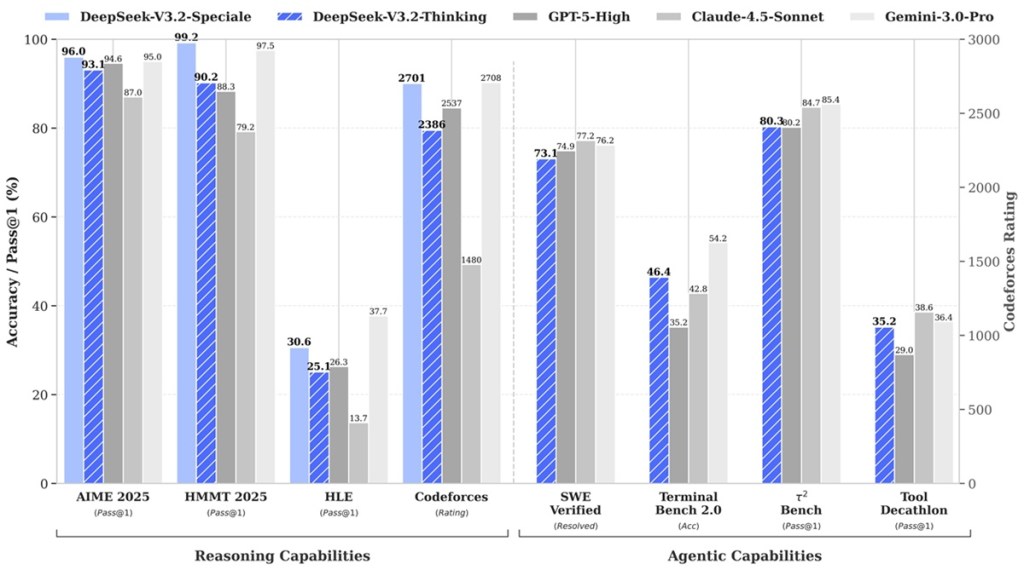
5. DeepSeek V3.2 Speciale
DeepSeek’s latest iteration showed promise, especially in competitive programming skills. It scored commendably in high-stakes competitions while offering open-source access. During my trials, it showcased its prowess in mathematical reasoning, making it a reliable option for advanced users.
6. Qwen3 Max
Next up was Qwen3 Max, an open-weight model that wowed me with its performance and flexibility. Developed by Alibaba, this model is notably effective in mathematical tests, securing impressive results. Its open-source nature allows anyone to benefit, which is exciting for developers!
7. GLM 4.7
I was pleasantly surprised by Z.ai’s GLM 4.7, which earned accolades as a formidable open-source competitor. While it trails slightly behind the likes of Claude and GPT, its performance in coding tasks is solid. It’s a reliable alternative, especially for users seeking a cost-effective solution.
8. Kimi K2 Thinking
When I tested Kimi K2 Thinking, I found it adept at invoking tools and executing multi-step processes. It’s designed to handle numerous requests simultaneously, which impressed me. The model’s mixture of expert architecture adds a layer of efficiency that can be a game-changer for task automation.
9. Mistral Large 3
Mistral Large 3 stands as Europe’s answer to advanced AI modeling. During my tests, I noted its strength in European languages and consistent performance. While it might not be as dominant on a global scale, it excels in regional tasks, making it a solid choice for local users.
10. MiniMax M2.1
Rounding out the list is MiniMax M2.1, a compact model that packs a punch despite its smaller size. I found it particularly effective for local coding tasks. Its speed and performance are commendable, making it a contender for anyone looking to enhance their coding efficiency.
As I wrap up this overview of the best AI models of the month, it’s clear that each model offers its unique strengths and weaknesses. The AI race is just getting started, and I am excited to see what innovations lie ahead. Which AI model do you find most intriguing? Share your thoughts in the comments below!