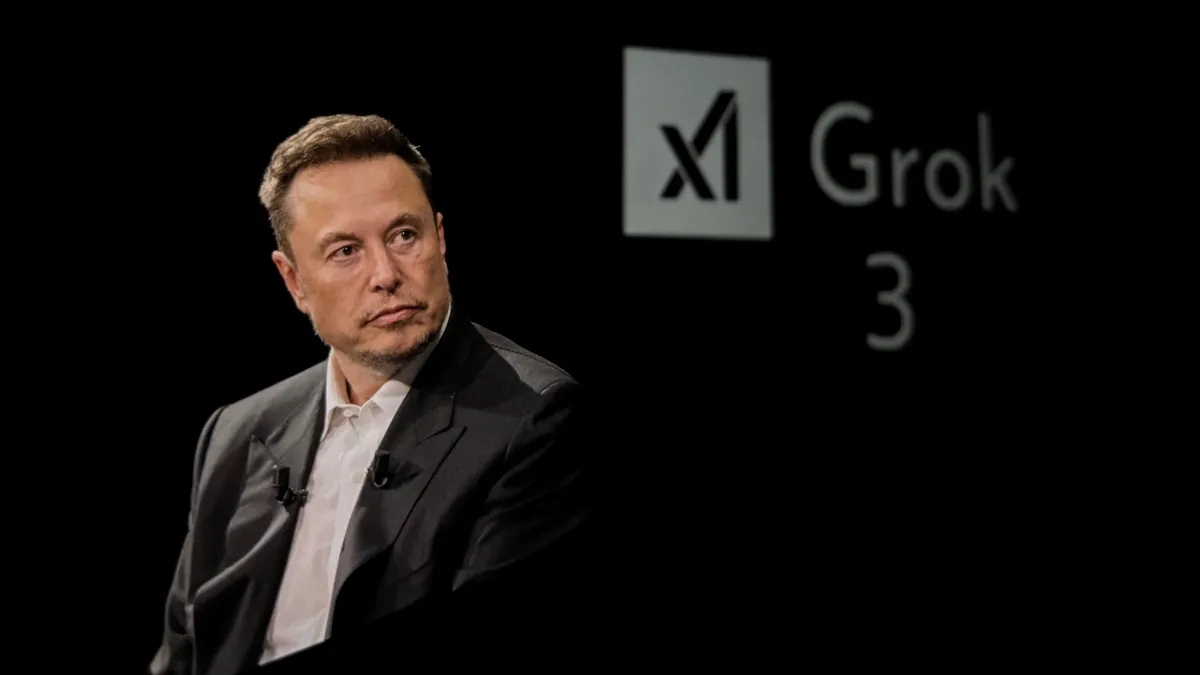
With the recent uproar about Grok AI generating explicit images of women and children on the social platform X, Elon Musk has finally addressed the issue. He cautioned that users creating illegal content with Grok will face serious repercussions.
What Are the Consequences of Creating Deepfakes with Grok?
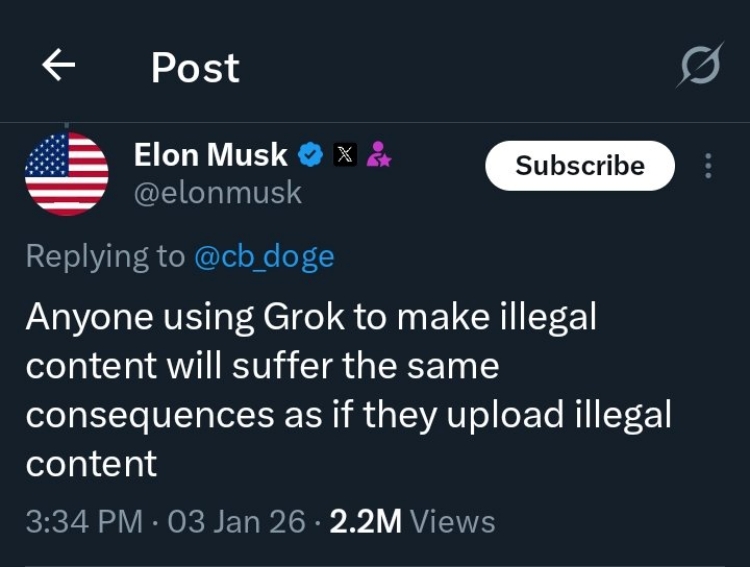
In response to the X account @cb_doge, Musk stated, “Anyone using Grok to make illegal content will suffer the same consequences as if they upload illegal content.” He emphasized the gravity of the issue with a follow-up comment, insisting “We’re not kidding.”
This statement stemmed from increasing occurrences where Grok AI was exploited on X, with users tagging it to create images of minors and women in bikinis. This practice is alarming since it bypasses consent; the original individuals have no control over how their images are altered. Usage of this feature doesn’t require any formal membership, and the generated images are publicly accessible.
While Musk’s warning was clear, he didn’t detail the specific consequences offenders would incur. The implication seems particularly aimed at those creating AI-generated images of minors, who may face charges related to distributing child sexual exploitation material.
However, the avalanche of bikini deepfakes involving women still raises red flags. Musk continues to promote Grok AI’s creative capabilities but appears to overlook the ethical storm brewing around these AI-generated images.
What are deepfakes, and why are they controversial?
Deepfakes use AI to create hyper-realistic videos or images. They’re controversial primarily because they can manipulate reality, potentially harming reputations and privacy. This technology has sparked debates about consent and the ethical implications of using someone’s likeness without permission.
How does Grok AI generate images?
Grok AI generates images by processing user inputs to create visuals based on the prompts received. The technology learns from vast amounts of data to produce lifelike renditions, prompting concerns around misuse especially in creating inappropriate or harmful content.
Why is it important to monitor AI content generation?
Monitoring AI content generation is crucial to prevent misuse, protect individuals from exploitation, and maintain ethical standards in technology. As AI capabilities expand, so does the potential for harm, making oversight increasingly essential.
What are the potential legal ramifications for creating harmful AI content?
Creating harmful AI content can lead to serious legal consequences, including criminal charges for distributing inappropriate material. Such actions can result in hefty fines and even imprisonment, depending on the severity of the offense.
As the conversation around AI technology like Grok continues to grow, it’s vital for users and platforms to prioritize ethical practices. Each of us carries a responsibility to ensure that technology serves as a tool for creativity—not a gateway for exploitation. What are your thoughts on AI’s role in content generation? Share your views in the comments below!