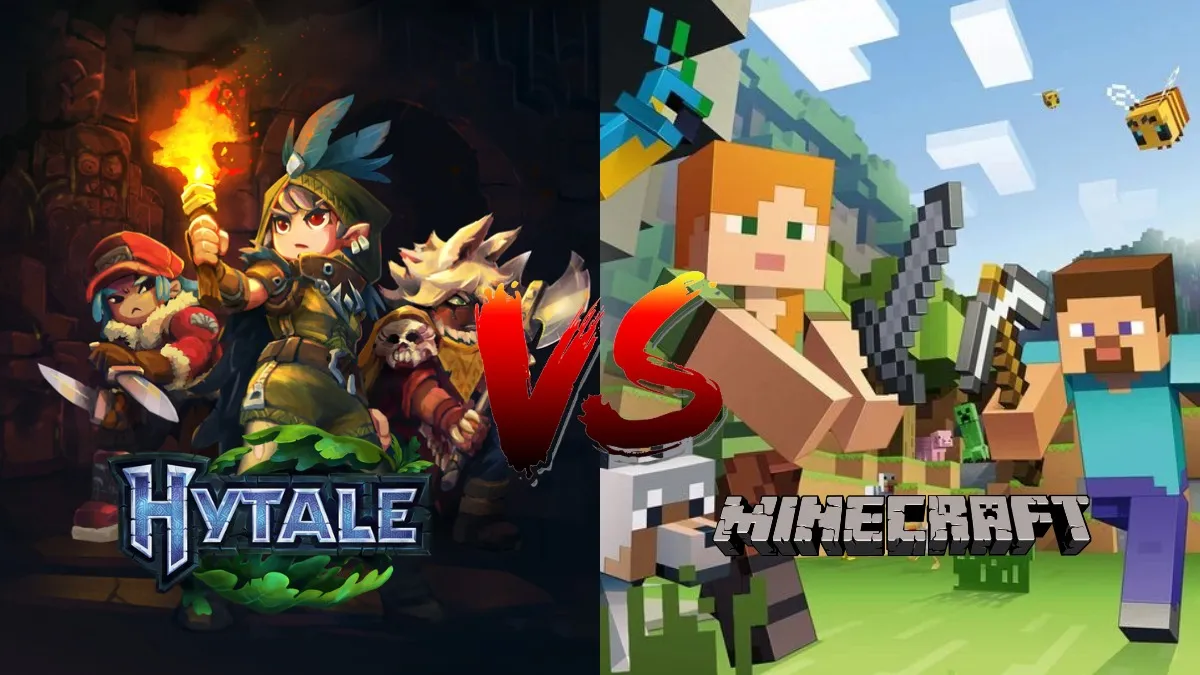
The sun dipped below the blocky horizon. A creeper hissed, and my sword shattered against its pixelated hide. That’s when it hit me: was I still having fun, or was it just habit? Minecraft carved out its space in gaming history, and modders like Hypixel Studios kept it alive. Now, Hypixel has their own title, Hytale. Is it ready to dethrone the king?
Hytale vs Minecraft: How do They Stack Up?
Hytale may seem like a familiar block-based world at first glance, but scratch the surface and you’ll find a different beast entirely. Its combat, RPG mechanics, world design, and modding tools aim to redefine the sandbox genre. Minecraft may have a head start, but Hytale arrives with features that could reshape how we play survival RPGs.
Before we get granular, here’s a high-level snapshot of the key differences:
| Feature | Hytale | Minecraft |
|---|---|---|
| Price | $19.99 to $69.99 (includes regional pricing) – (€18.50 to €64.50) | $26.95 (Java Edition) – (€25) |
| Platforms | PC (Windows, Linux, and macOS) only at launch | PC, consoles, mobile |
| Combat | Animation-based, tactical with stamina bar, dodges, and combos for different weapons | Linear with spam mechanics, a two-button layout, and a cooldown |
| Progression | Biome-based and story-driven | Open world with all biomes access |
| Mods | Built-in supported server | Need clients and third-party servers |
| NPC System | Complex factions, lore, and quests | Idle villager trading and pattern |
What Do Hytale and Minecraft Have in Common?
Both games share a clear aesthetic and core gameplay philosophy. They both exist in the survival sandbox category. But before we scrutinize the differences, let’s recognize what unites them:
- Block-Based World: Both games use destructible and placeable blocks as the foundation for building, exploration, and world shaping, making the environments easy to read and endlessly flexible.
- Resource Gathering and Crafting: Players collect raw materials, refine them into useful items, and craft tools, weapons, and structures as part of the core gameplay loop.
- Sandbox Freedom: Both emphasize player choice, letting you decide your own goals, playstyle, and pace, whether that means building, exploring, fighting, or experimenting.
- Community Focus: Custom servers, player-made content, and shared experiences sit at the heart of both games, giving them long life beyond the base experience.
- Procedural Generation: Each world is generated uniquely, with different landscapes, biomes, and hidden points of interest that encourage exploration and replayability.
Hytale vs Minecraft: Decoding the Differences
Minecraft is an undeniable icon, but its dominance doesn’t mean it’s without rivals. Many have tried to replicate its success. Hytale seeks to rewrite the narrative.
Despite the surface-level similarities – block-based worlds, survival and creative modes – Hytale differentiates itself. Here’s a breakdown:
1. Combat Depth and Player Skill
Imagine swinging your sword and actually feeling the impact. Minecraft’s combat has been criticized for its simplicity. Hytale emphasizes combat as a core system. Every fight turns into a dance of stamina, positioning, and timing. Combat hinges on animations and smarter AI. Enemies telegraph attacks, and players must react. Dodges, rolls, and weapon-specific combos add layers of complexity. Weapon choice matters.
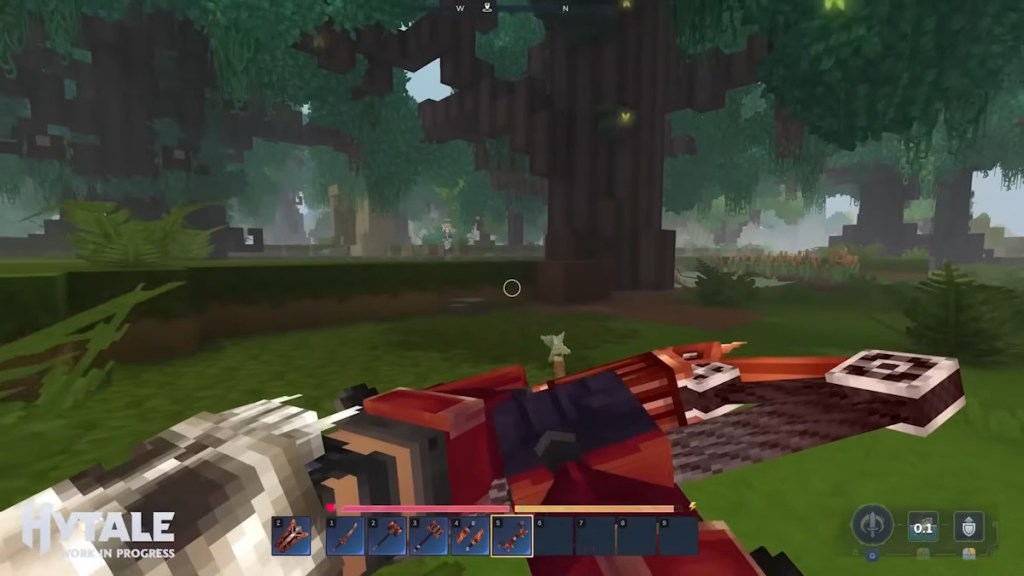
Boss fights demand strategy, not just brute force. Skill trumps stats. These nuances separate Hytale from Minecraft.
2. RPG Progression and Adventure Focus
Tired of wandering aimlessly in RPGs? Hytale introduces structured adventure with clear goals. Quests, zones, and story beats guide players. Forging gear is a key component of progression. Your armor and weapons define your role. Changing your loadout reshapes your playstyle.
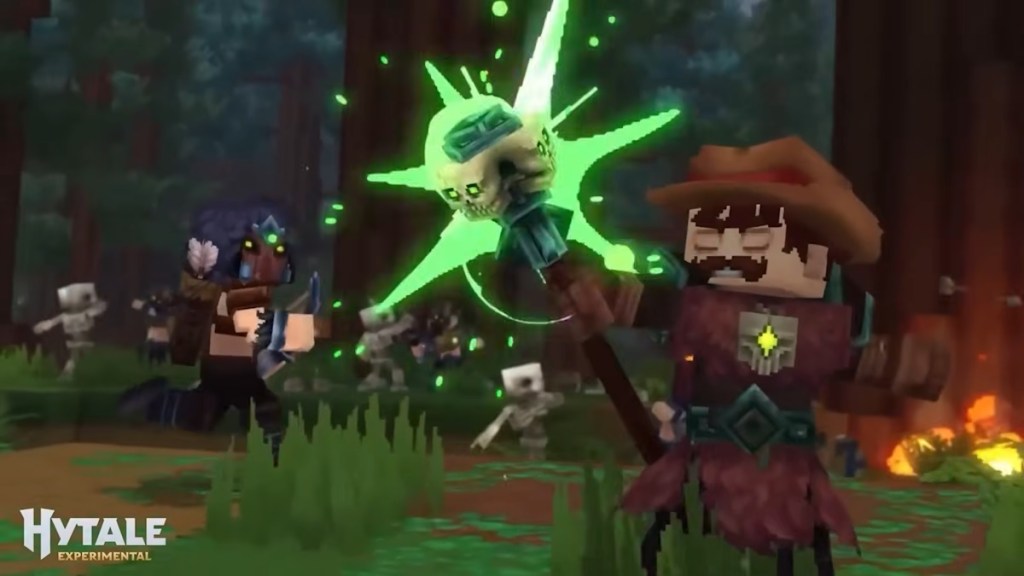
Hytale’s progression resembles an action RPG more than a typical sandbox game. Minecraft gives players total freedom, but Hytale provides direction without sacrificing player choice. It’s sandbox design with a narrative pulse. Minecraft gives you everything and nothing at the same time.
3. NPCs, Factions, and Villagers
How much life is too much life? Minecraft’s mobs and NPCs mostly stand around and trade. Hytale’s NPCs belong to factions steeped in lore, exhibiting complex behaviors. These factions respond to your actions, shaping the world around you. Alliances can shift. Areas are patrolled and defended. Hytale’s factions include:
- Kweebecs (Friendly): NPCs that resemble trees, growing from seedlings to elders in villages carved into trees. They offer quests and trades, protected by Razorleaf Rangers.
- Trorks (Hostile): Enemies, but not aligned with the main antagonist. Trorks have classes like sentries and chieftains.
- Outlanders, Ferans, Slothians: Other distinct characters
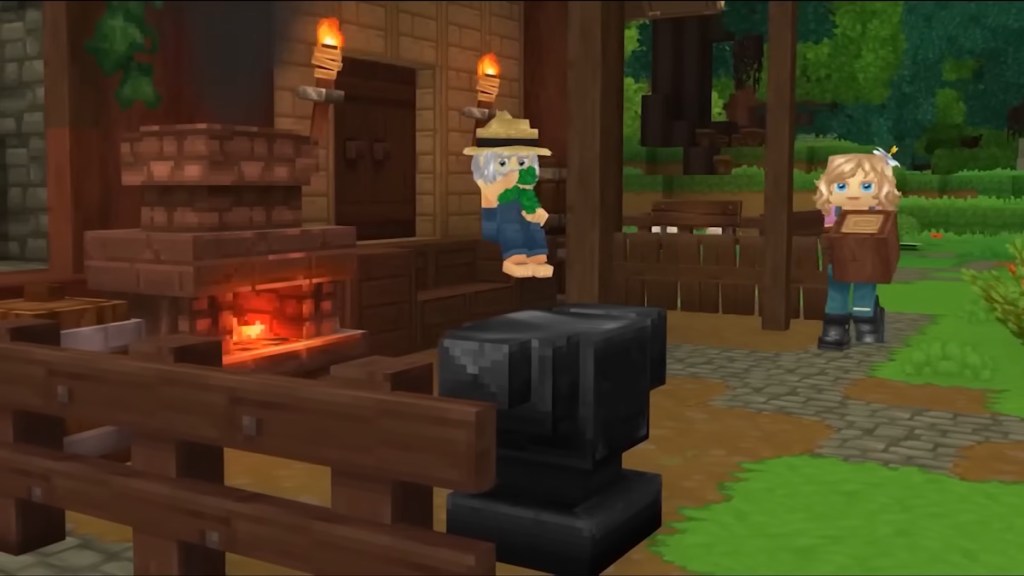
Creatures are tied to their biome, similar to Minecraft, but with greater variety. The world feels alive, even when you’re not interacting. That sense of a living, breathing world is special.
4. World Design and Zone Structure
Minecraft’s worlds are randomly generated, blending biomes under one sky. The perceived freedom comes at a cost. Lack of boundaries can make things difficult. Similar villages, NPCs, and enemies populate the landscape. This makes exploration less engaging.
Hytale divides its world into distinct zones, each with a theme, difficulty, and purpose. The zones include:
- Emerald Grove (Zone 1): A starting area with forests and caves
- Howling Sands (Zone 2): A desert environment
- Borea (Zone 3): Frozen northern mountains
- Devastated Lands (Zone 4): A volcanic region
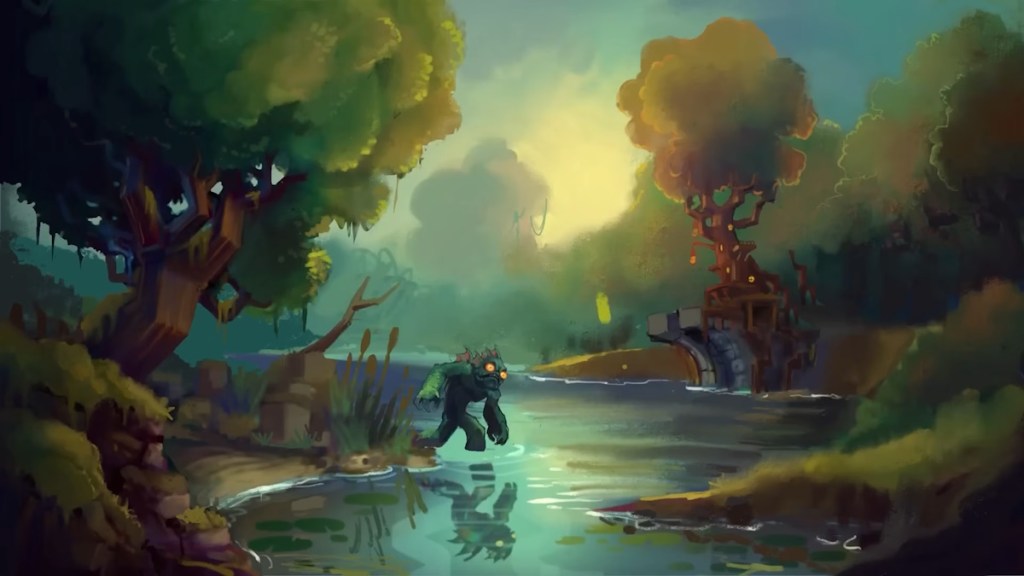
Enemies, loot, and resources scale with your progress. Zones act as chapters, not just random landscapes. Exploration has purpose. Unlocking tougher areas gives you a sense of accomplishment. How is Hytale different from Minecraft? By using handcrafted design, of course!
5. Building Tools and Creative Intent
Minecraft’s building rests on blocks. Creativity comes from player imagination and hard work. The grid system is simple, clear, and flexible. But advanced shapes demand time or mods. For full creative control, Minecraft mods are essential.
Hytale retains the block foundation while adding slopes, curves, and structural variations. Building becomes faster and more expressive. Prefabs give players starting points. Structures influence NPC behavior and define safe zones. Verticality affects combat and defense. Building in Hytale supports progression, not just aesthetics.
6. Modding Support
Minecraft’s modding community is a major part of its success. Modding relies on third-party clients and manual installation. Players must manage compatibility, versions, and updates. Yes, there are many Minecraft map mods and anime mods, but installing them natively is impossible. The modding community is a chaotic force, but a powerful one.
Hytale treats modding as an inherent system. Servers automatically deliver mods to players. Creators can edit assets, rules, UI, and behaviors using official tools. Mods are designed to withstand updates with fewer issues. Creative mode already includes scripting and logic systems. Players can create entire games within Hytale. Is Hytale a copy of Minecraft? Hardly. It’s a remix with stems. It’s not just a modded world, it’s a whole new game.
7. Multiplayer and Long-Term Vision
Minecraft’s multiplayer evolved organically through community servers. It supports survival worlds and minigame hubs. But vanilla servers feel outdated. The multiplayer experience is often unpolished.
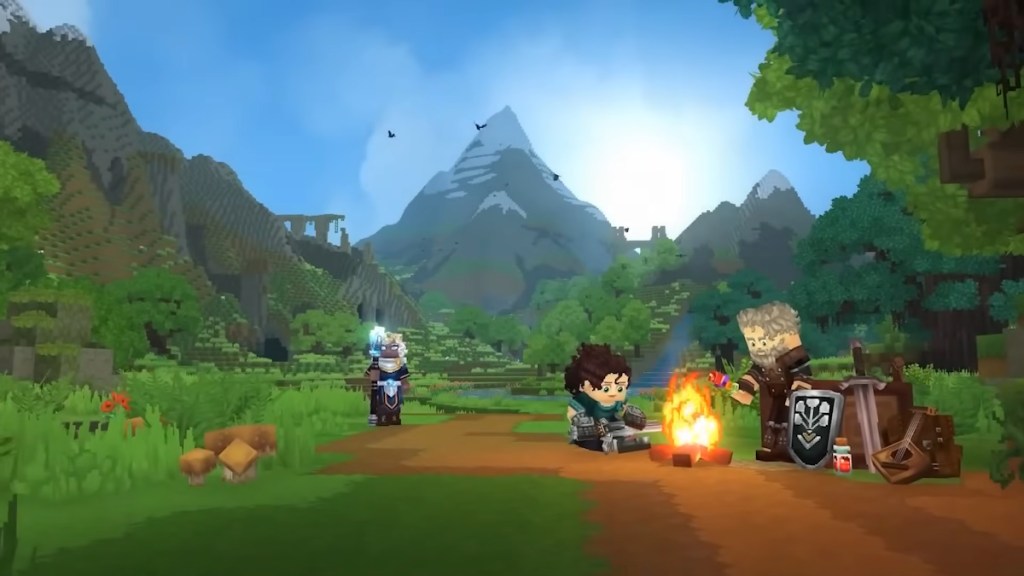
Hytale embraces multiplayer. Player-hosted servers exist alongside social hubs. Custom rule sets and RPG-style worlds are available. Although the game begins in early access, there’s a long-term plan. Hytale’s multiplayer systems are built to scale. Will Hytale replace Minecraft? Only time will tell, but it’s certainly aiming for the throne.
That wraps up our Hytale vs Minecraft breakdown. Which game gets your vote? Are you sticking with the tried-and-true, or are you ready to embrace the new kid on the block?