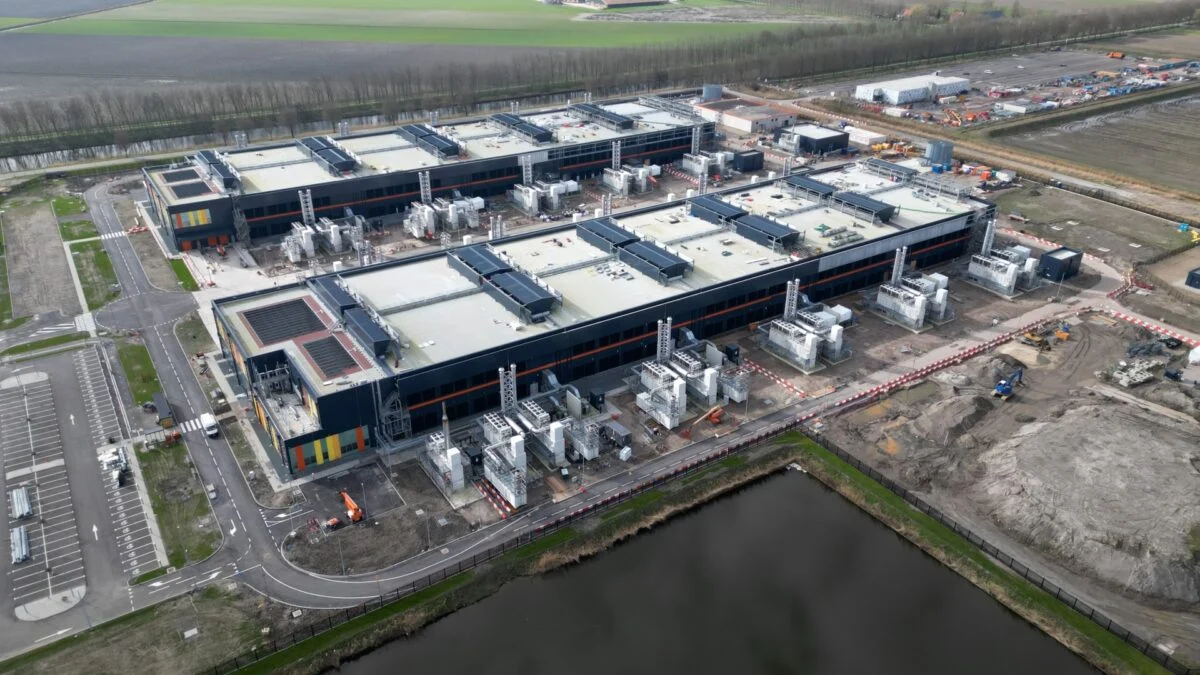
The hearing was packed, the air thick with anticipation. A lone microphone stood between a panel of stony-faced executives and a crowd of angry residents. That’s when it hit them: this wasn’t just about a building; it was about their homes, their health, and their future. Data center projects are facing an unprecedented level of local resistance, and the numbers tell the tale.
According to research from Heatmap Pro, at least 25 data center projects were shelved last year due to community opposition.
These canceled projects represent at least 4.7 gigawatts of potential electricity demand. To put that in perspective, BloombergNEF analysts project that data centers in the U.S. will demand 106 gigawatts by 2035.
While it might seem small, this figure marks a dramatic increase from only six cancellations in 2024 and two in 2023. Of those 25 data center projects canned in 2025, a staggering 21 were axed in the latter half of the year.
One explanation could be the sheer volume of data center projects being proposed. Investment in data centers was so massive it practically drove GDP growth in the first half of 2025.
However, Heatmap researchers attribute the surge in cancellations to growing anti-data center sentiment and increasing local pushback, based on a national survey.
They also note that the number of cancellations outstripped other data center growth metrics. For instance, while data center electricity consumption grew by roughly 22% and is projected to double or triple in the next decade, cancellations due to local opposition quadrupled.
Data Center Map, a leading industry database, currently lists 3,779 data centers in the United States, including those planned, under development, or operational. Heatmap reports that 770 of these projects are in the planning stages, with at least 99 facing opposition from local activists and residents.
As the AI boom reached fever pitch, tech companies and the U.S. government poured trillions into data center infrastructure. But as more data centers came online, more communities felt the consequences.
Data centers consume vast amounts of energy, straining local power grids and resources. Residents near data centers have reported water shortages and skyrocketing electricity prices. A Bloomberg report from September indicated that those living near data centers saw their electricity bills jump 267% compared to five years prior.
Data centers can also negatively impact the health of nearby communities. A study by the Environmental Data & Governance Initiative found that people living within a mile of an EPA-regulated data center were exposed to above-average levels of air pollution.
This stream of negative press has raised public awareness and fueled local resistance. The ongoing cost-of-living crisis, with rising electricity bills, isn’t helping the pro-data center cause either.
The report identifies water use as the primary driver of local opposition, cited in over 40% of contested projects, followed by energy consumption and higher electricity prices.
Some experts warn that data centers can overload local grids, increasing the risk of winter blackouts. In Texas, a potential data center hotspot, an estimated 246 people died during a 2021 winter power shortage. Yet, Texas has seen zero project cancellations due to local opposition this year. It’s as though the state is a pressure cooker, with the lid about to blow.
Heatmap’s analysis suggests that about 40% of data centers facing sustained local opposition are eventually canceled. Peter Freed, Meta’s former director of energy strategy, anticipates that only about 10% of current projects will ever be completed.
This opposition is also spurring policy changes.
Minnesota has enacted laws to limit data center energy and water consumption. New York Gov. Kathy Hochul is expected to propose an “Energy NY Development” program, requiring data center companies to pay more for electricity. A coalition of over 250 environmental groups has requested a moratorium on new data centers from Congress.
Surprisingly, most project cancellations occurred in politically conservative states like Kentucky and Indiana, specifically in counties that supported President Trump, a vocal proponent of AI and data centers, in the 2024 election.
How much power do data centers actually use?
I recently read that the world’s data centers consume about 3% of the global electricity supply, and that number’s climbing. This feels like a hidden cost of our digital lives. All those cat videos, streaming movies, and AI chatbots come at a price: energy. The pressure is mounting to find ways to make these energy-hungry behemoths more efficient.
Data centers are power-hungry, and their consumption is growing rapidly. That 3% figure will only increase as AI and other data-intensive technologies become more prevalent.
According to the International Energy Agency (IEA), data centers consumed around 200 terawatt-hours (TWh) of electricity globally in 2022. This is roughly equivalent to the electricity consumption of some entire countries!
The IEA projects that data center electricity demand could reach between 600 and 1,000 TWh by 2030, depending on various factors like efficiency improvements and the deployment of new technologies.
Are data centers really bad for the environment?
Last week, I overheard a conversation about the environmental impact of data centers, and it was a real eye-opener. It’s easy to think of the cloud as an ethereal, weightless thing, but the physical infrastructure is very real and can have significant consequences.
Data centers can indeed have negative environmental impacts, but it’s not a black-and-white issue. It’s a complex equation of energy consumption, water usage, and pollution.
Data centers require massive amounts of electricity, often generated from fossil fuels, leading to greenhouse gas emissions. They also consume significant amounts of water for cooling, which can strain local water resources. Plus, the electronic waste generated from discarded servers and other equipment can pose a pollution risk if not properly managed.
What solutions are available to lower negative impacts?
Thinking about how to deal with the cons of data centers is a big conversation in tech circles. But from my experience, the most promising strategies revolve around three key areas: efficiency, sustainability, and community engagement.
Many solutions are being explored and implemented to mitigate the negative impacts of data centers. These include:
- Improving energy efficiency through better cooling systems, server virtualization, and optimized power management.
- Using renewable energy sources like solar and wind to power data centers.
- Employing water-efficient cooling technologies or using alternative cooling methods like air cooling.
- Recycling and properly disposing of electronic waste.
- Engaging with local communities to address their concerns and mitigate negative impacts.
The gradually souring conversation around data center construction could be shifting the political landscape. In the November 2025 elections, a Democrat flipped a reliably Republican seat in the Virginia legislature by campaigning on the burden of data centers. It’s like a David and Goliath story playing out in real-time.
Even Trump seems to be feeling the heat.
“I never want Americans to pay higher Electricity bills because of Data Centers,” Trump declared in a Truth Social post, adding that his team was working with tech companies like Microsoft to “make major changes beginning this week to ensure that Americans don’t ‘pick up the tab’ for their POWER consumption, in the form of paying higher utility bills.” The price is that your digital experience is only as green as the grid it runs on.
Hours later, Microsoft announced a five-point plan to minimize the local impact of its data centers, called “Community-First AI Infrastructure.”
With community opposition rising and political pressure mounting, are we witnessing the beginning of the end for unchecked data center expansion?