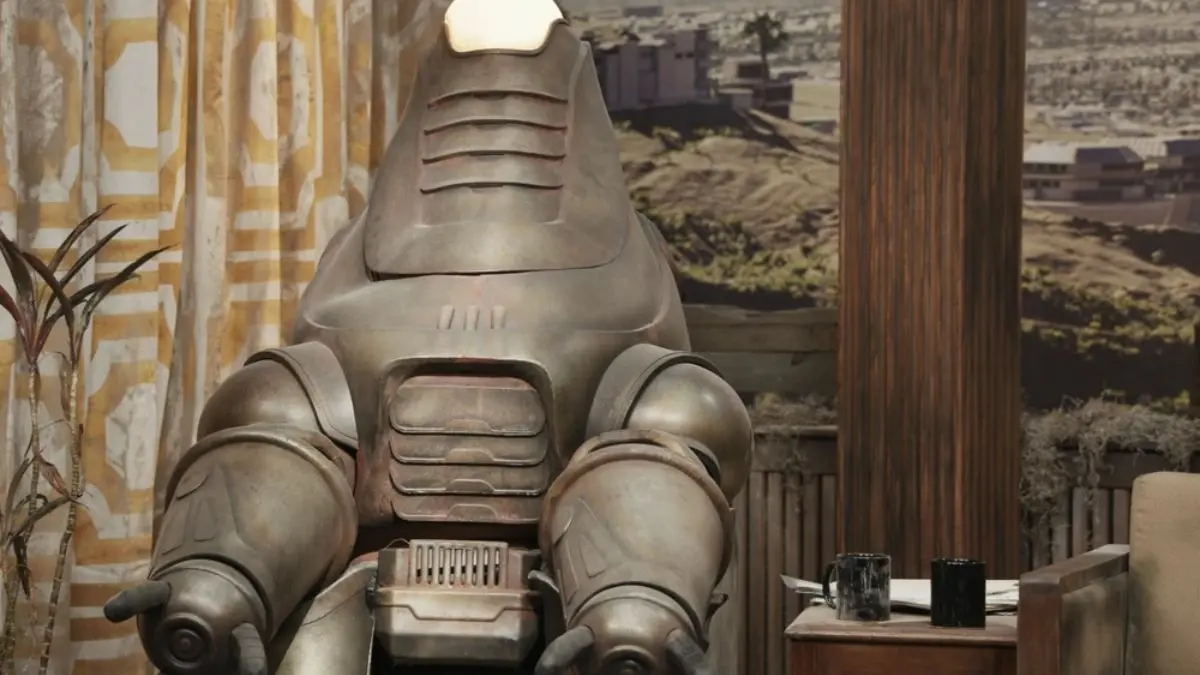
The flickering neon of the Atomic Wrangler cast long shadows, and the air hung thick with the scent of desperation and cheap whiskey. A low hum resonated from the corner, a sound that sent a shiver down my spine. Because there he was, Fisto, chrome glinting under the grime, ready to offer a service many wastelanders both craved and feared.
The Fallout show, a project almost as daunting as rebuilding civilization after the bombs fell, dared to tread on hallowed ground by adapting New Vegas. So far, the Amazon Prime production has walked that tightrope with surprising grace, especially evident in episode five, where Lucy and the Ghoul stumble from the Strip into the chaotic heart of Freeside.
Freeside, a district where hope goes to die, is recreated with stunning detail. From the signage that’s barely clinging to the dilapidated storefronts to the overall layout, it’s a love letter to fans and further evidence that Fallout is a shining example of how to translate a video game to television. The writers, clearly devotees of the source material, even managed to slip in one of the community’s most desired Season 2 easter eggs.
A familiar face in a familiar place…
Remember that feeling when you first stepped into the Atomic Wrangler and heard rumors of a certain specialized Protectron? The Mojave’s most… unique robot companion, Fisto, has made the jump to live-action.
Fisto—short for “Fully Integrated Security Technetronic Officer”—makes a cameo in the fifth episode, proving he’s still operational after all these years. As any Fallout: New Vegas player worth their salt knows, Fisto was initially designed as a security bot before the Courier…repurposed him for more “personal” interactions.
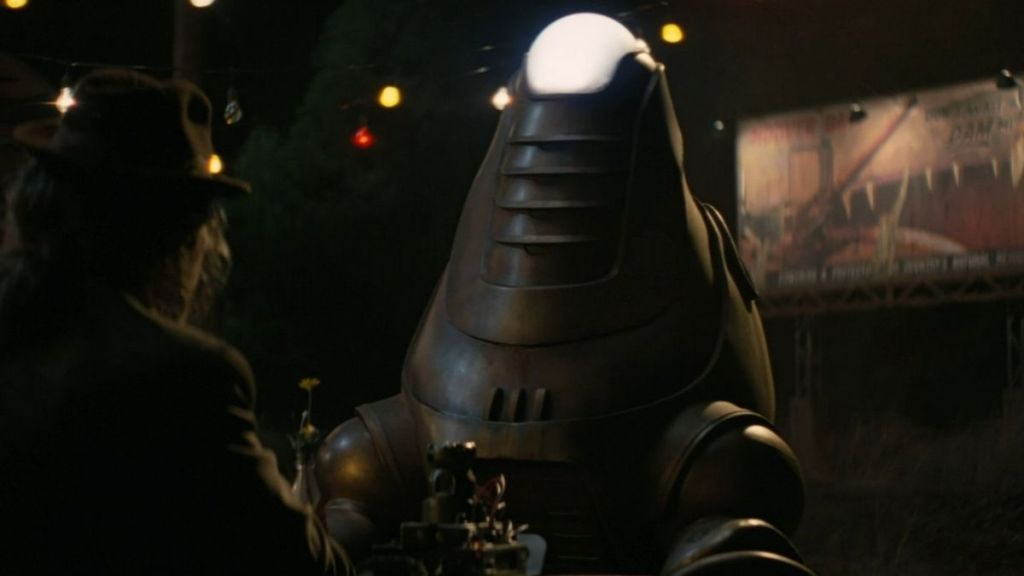
Fifteen years following the events of the game, Fisto’s present-day function is now truer to his name, as he’s stationed inside the Atomic Wrangler Casino in Freeside. His whereabouts are revealed by an equally colorful character, the Snake Oil Salesman (or Chicken F***er), hinting that this isn’t his first encounter with the automaton.
The scene gets cut short before any action happens, so sadly we don’t hear Fisto’s infamous invitation: “Please assume the position.” Nor do we see if his services still cost a mere 10 Caps. Wasteland inflation must be hitting everyone hard, right?
Will we see more familiar faces from New Vegas?
The inclusion of Fisto is more than a simple wink; it’s a statement. It signals that the showrunners aren’t just throwing in random references, but are committed to honoring the spirit and often twisted humor of Fallout: New Vegas.
The Fallout TV show’s cleverness isn’t just about the visual easter eggs; it’s about the writing, the subtle nods, and the deep understanding of the source material. The world-building is not a paint-by-numbers exercise. Instead, it’s more akin to an archeological dig, carefully unearthing the layers of lore and character that made the game so special. Every scene in Freeside feels like stumbling upon a forgotten memory, a place where the past and present collide in a haze of radiation and regret.
I’d argue it’s a calculated risk, designed to tug at the heartstrings of longtime fans. To see these characters and locations brought to life isn’t just satisfying; it’s validating.
Is Fallout Season 2 setting up a full New Vegas adaptation?
Think of adapting a beloved video game as performing open-heart surgery on a patient who is simultaneously conscious and offering critiques. The Fallout show seems to understand this delicate balance, knowing when to stay faithful and when to introduce its own creative spins.
The Fisto cameo, as minor as it may seem, is a symbol. It tells us that the show isn’t afraid to embrace the darker, more controversial elements of the franchise. The writers have a clear vision, a roadmap that includes both familiar landmarks and unexplored territories.
How does the show’s portrayal of Freeside compare to the game?
Freeside in the show nails the same gritty, desperate feel as its video game counterpart. If the Strip is all glittering facades, Freeside is the exposed wiring beneath, a chaotic jumble of scavengers, addicts, and dreamers just trying to survive. The show captures that sense of desperation beautifully, from the tattered clothes of the residents to the makeshift shelters cobbled together from scraps.
The devil, as they say, is in the details. And this adaptation understands that. By paying attention to the small things—the graffiti on the walls, the flickering lights, the way people huddle together for warmth—the show creates a world that feels lived-in and authentic.
With more episodes on the way, these additions are another easter egg in a long list. But what other surprises does Fallout have waiting?