
The rain was relentless that night, mirroring the dread that settled as I watched the trailer. A chef, once a master of culinary arts, now a shambling figure still chopping imaginary vegetables. That’s when it hit me: Resident Evil Requiem isn’t just about zombies; it’s about what they’ve lost.
With only six weeks until release, the anticipation for Resident Evil Requiem is almost unbearable. It’s competing for my game of the year title alongside heavy hitters like Grand Theft Auto 6 and Marvel’s Wolverine. Yesterday’s Resident Evil Showcase revealed details that deepened my excitement… and introduced a pang of unexpected sadness.
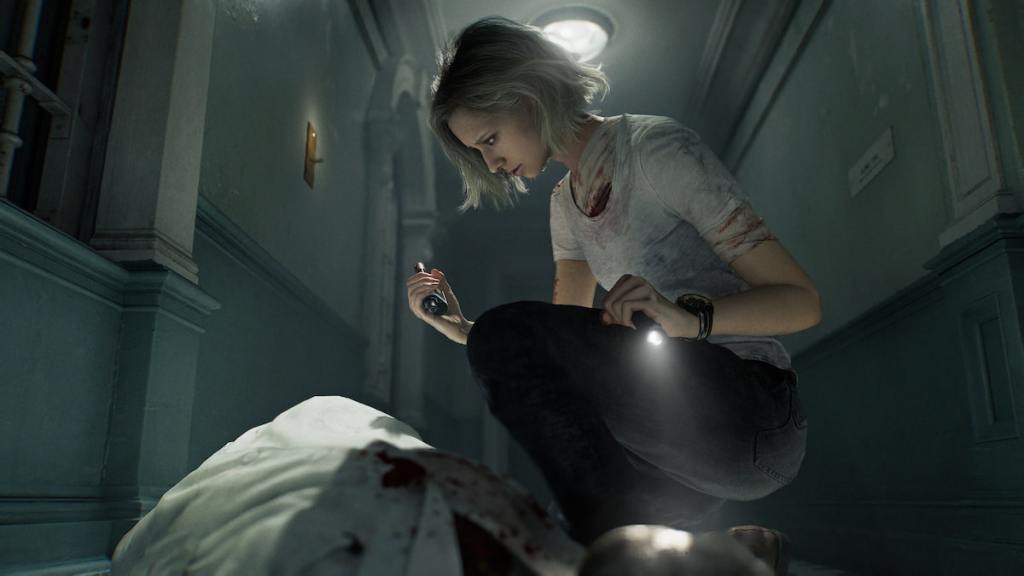
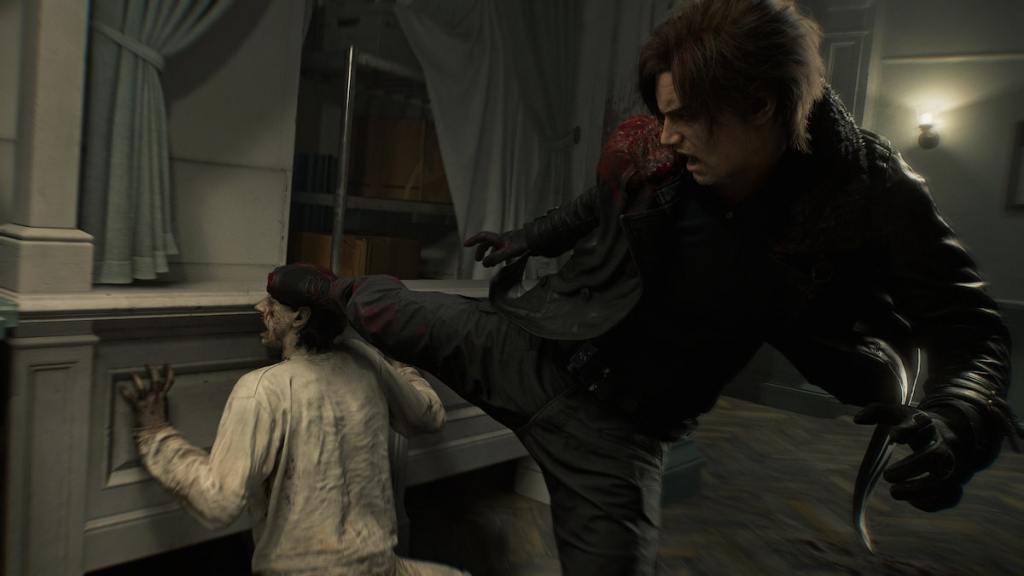
Capcom’s new 4K screenshots showcase Leon battling hordes, but the game director teased something darker: these aren’t mindless monsters. They’re echoes of lives, still clinging to familiar routines.
“This time, there are zombies that retain characteristics from when they were alive,” says RE9 director Koshi Nakanishi. “For example, there is a custodian in the building, but even as a zombie that person continues to clean the facilities diligently. There are many zombies like this that cling to the habits of their past lives. So by watching their actions closely, you can deftly dodge or take them down, adding more to the gameplay.”
Glancing at the showcase video around 2:49, you’ll see what he means. A chef, maid, wandering woman, elevator operator—each trapped in a loop of their former existence. It’s deeply unsettling.
The Undead Mirror: Human Echoes in Resident Evil Requiem
Horror often thrives on the familiar twisted into something monstrous. For 30 years, Resident Evil has weaponized that fear. The terror of facing someone you once knew, now a creature you must destroy. The series usually avoids making these connections too personal, but Requiem shifts that dynamic.
These aren’t just aimless husks. These new zombies, retaining echoes of their past lives, feel different. The crying zombies, specifically, suggest a flicker of awareness, trapped within a decaying body, a puppet of their own reanimation. It’s a chilling concept, like looking into a distorted mirror reflecting humanity’s fragility.
Leon, as always, is unfazed. He’s seen below, boots planted firmly on a zombie’s head. He’s a seasoned professional, honed by years of undead encounters. Grace Ashcroft, however, is entering a world that is about to test her humanity.
I hope Grace confronts these remnants of humanity, experiences their lingering fear and confusion firsthand. Her gameplay, focused on horror, demands that emotional connection. She isn’t a wisecracking veteran; she’s us, facing the unthinkable.
Why are the zombies crying in Resident Evil Requiem?
Grief is a powerful human emotion. Imagine being trapped inside a decaying body, forced to repeat meaningless actions, with only fleeting moments of your former self breaking through. The crying zombies might represent that internal struggle, a desperate attempt to reclaim what’s lost.
It’s a bold move by Capcom, adding a layer of psychological horror to the familiar zombie formula. This isn’t just about survival; it’s about confronting the agonizing remnants of humanity within the monsters we fight. The files in the game, as always, will provide context. Will the reason for the zombie’s torment amplify their tragic state?
What new gameplay mechanics do the crying zombies add?
The director made clear that these zombies aren’t just set dressing. Their lingering habits provide tactical opportunities. Imagine using a chef zombie’s routine to predict its movements, or exploiting a cleaner’s path to create a safe zone. Resourcefulness becomes even more important.
If the zombies are drawn to light or sound, players may have to control their environment to survive. Imagine using a broken record player to lure zombies away from a critical path. Each encounter becomes a deadly puzzle, demanding observation and cunning.
How does this change Resident Evil’s story?
For decades, the Resident Evil franchise has relied on the blunt instrument of bio-terror to create monsters. Now, Requiem adds depth. The game isn’t just about zombies; it’s about the lingering human cost.
This shift introduces moral ambiguity. Are these zombies truly beyond saving? Does killing them erase the last vestiges of their former selves? Requiem could explore themes of euthanasia and the right to die, forcing players to confront uncomfortable questions alongside the usual scares.
My curiosity about the reasoning behind the zombies’ behavior is growing by the second. The wait for Resident Evil Requiem, launching on Feb. 27, feels like an eternity. I’ll bring tissues, not just for the scares, but possibly for something more profound.
The game is a loaded gun, and its images are as brutal as they are beautiful (€65/USD $70). Will these crying zombies change how you approach the undead in video games?