
The flickering screen cast long shadows as the credits rolled. A knot formed in my stomach; the kind you get after witnessing something truly unsettling. Was it horror? Yes, but it was also something far more profound. Let me tell you about 28 Years Later: The Bone Temple; a film that doesn’t just reanimate the zombie genre—it dares to perform an autopsy on its very soul.
When zombie movies are mentioned, 28 Days Later often surfaces as a benchmark of originality and impact. The franchise has expanded, and now, with 28 Years Later, the challenge is clear: how do you create a zombie film that doesn’t feel like a rehash in an oversaturated market?
After seeing 28 Years Later: The Bone Temple, it’s clear the creators knew this. They delivered something that might churn your insides, but also leave you captivated by its dark, twisted artistry. This 28 Years Later: The Bone Temple review will explore why this film succeeds, building on the zombie genre with an ending that demands more.
Multiple Protagonists, Masterfully Woven
Remember those old anthology horror shows? Each episode introduced new faces, new fears. *28 Years Later: The Bone Temple* adopts a similar approach, juggling multiple leads with surprising grace.
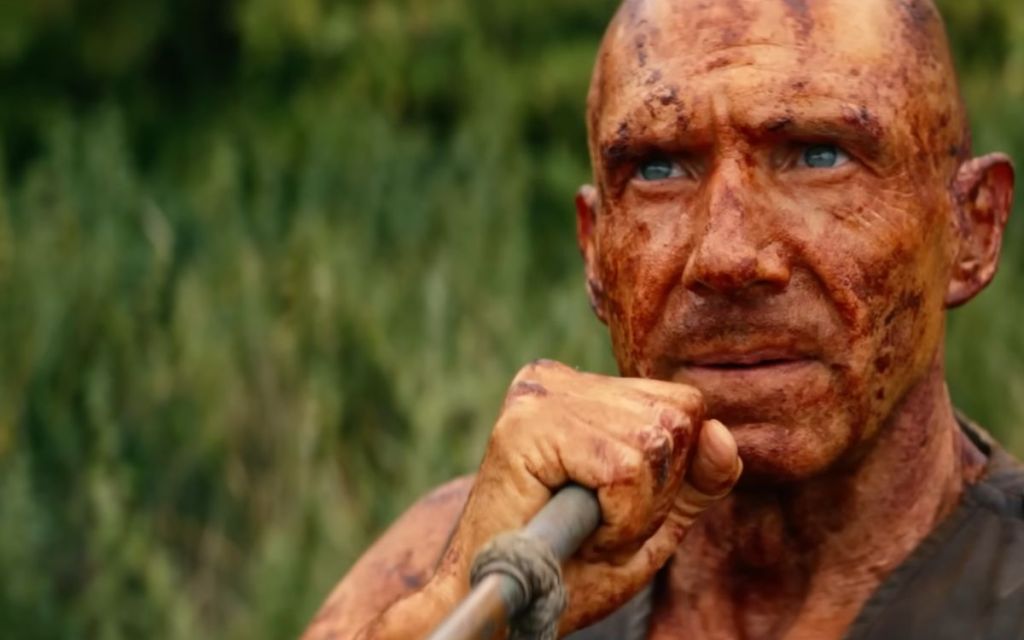
Leading up to its release, speculation centered on Spike (Alfie Williams) as the primary focus. The film introduces him as one of several protagonists, alongside Dr. Ian Kelson (Ralph Fiennes) and, surprisingly, Samson (Chi Lewis-Parry), the Alpha from the first movie.
The story picks up where the original ended. To survive, Spike is forced to kill another human. He then allies himself with other survivors, until he encounters Dr. Kelson. Kelson, who becomes the central figure, is exploring a cure, using Samson as a test subject.
Kelson’s experiments gradually restore Samson’s humanity. Balancing three central characters can easily disrupt a narrative, but 28 Years Later: The Bone Temple uses it to its advantage, weaving an intricate and captivating story.
Spoiler Warning:
The next section includes some plot point spoilers. You’ve been warned.
A Seemingly Absurd Plot with a Franchise-Defining Conclusion
Great stories often start with a jolt—a feeling of disorientation. Even 28 Days Later took time to find its footing. The sequel continues this tradition. Initially, you might find yourself asking, “What’s happening?” Before realizing how masterfully it all comes together.
28 Years Later: The Bone Temple feels like two separate stories at first. But the moment they converge, everything clicks. This disjointed yet connected approach reflects the dystopian world it depicts.
How does Jimmy Crystal represent the themes of evil and resistance in ‘28 Years Later: The Bone Temple’?
Consider Jimmy Crystal (Jack O’Connell), whose brutality highlights how, no matter how dark the world becomes, someone will resist. Dr. Ian Kelson sacrifices himself to protect Spike and others from Crystal’s tyranny.
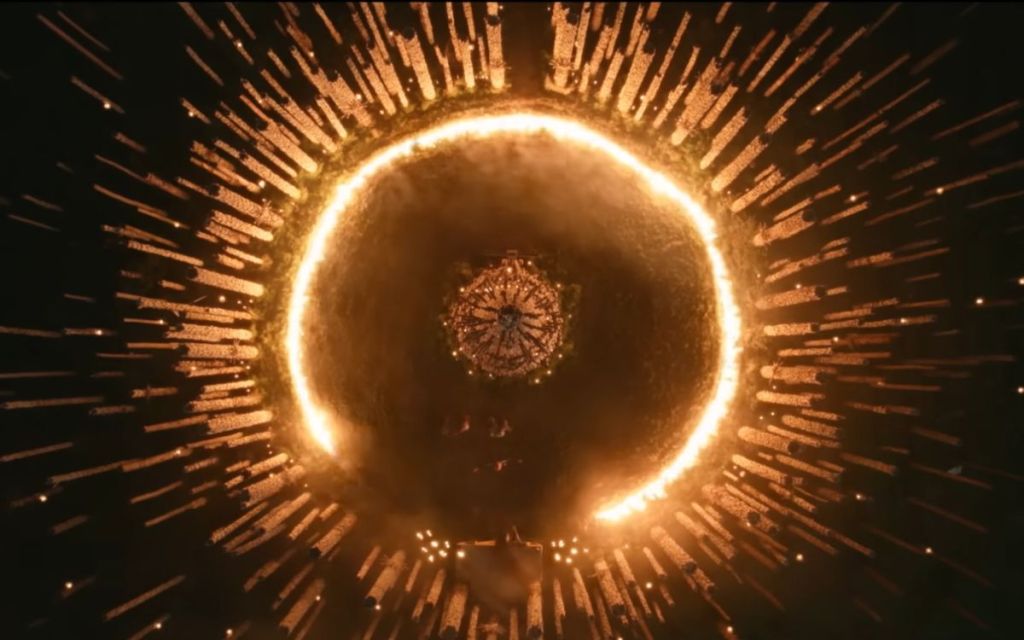
The movie culminates in a reveal that will fill cinemas for the next installment: Cillian Murphy’s Jim is alive and has a daughter. He teaches her about the pre-virus world. Spike and Kelly (Erin Kellyman) flee the infected, while Jim and his daughter decide to aid them. This twist was unexpected, a closely guarded secret.
Contradicting its Own Lore
From a storytelling perspective, the film is compelling. However, some inconsistencies emerge regarding the established rules of this world. Sometimes, it feels that the movie contradicts its own lore.
Why do the infected sometimes ignore sounds in ‘28 Years Later: The Bone Temple’?
The franchise has consistently shown that the infected are highly sensitive to sound. Yet, Dr. Ian Kelson shouts to summon Samson without triggering an attack.
One could argue that the surrounding forests are clear, but it’s harder to explain how Dr. Kelson can blast Iron Maiden’s “The Number of the Beast” without attracting any infected. This detail feels overlooked, especially given the meticulous attention to other aspects.
Missed Opportunities with the Music
The film generally succeeds, but falls short in one area: its musical score. 28 Years Later wasn’t for everyone, but its soundtrack, including Rudyard Kipling’s “Boots,” was universally praised. It was the dark, pulsing heart of the film.
This time, the music doesn’t resonate as deeply. Radiohead’s Everything in The Right Place, which also appeared in Daredevil Born Again, creates a sense of unease. Yet, compared to the original’s score, it lacks impact. It’s a shadow of its predecessor.
What tools did the composers of ‘28 Years Later: The Bone Temple’ use to create its score?
While specific tools are unknown, the team likely used a combination of digital audio workstations (DAWs) like Ableton Live or Logic Pro, orchestral sample libraries from Spitfire Audio, and synthesizers like those from Moog to create the film’s unsettling soundscapes. It just didn’t hit the same high notes.
Don’t let these minor issues deter you. 28 Years Later: The Bone Temple offers something unique to the horror genre. It evolves beyond simple horror, prompting reflection. It’s a film that finds beauty in the grotesque, an experience you shouldn’t miss. *28 Years Later: The Bone Temple* is not just a movie; it’s a mirror reflecting our own fears and obsessions.
But does its bold departure from established lore ultimately elevate the genre, or does it undermine the foundations that made the original so compelling?