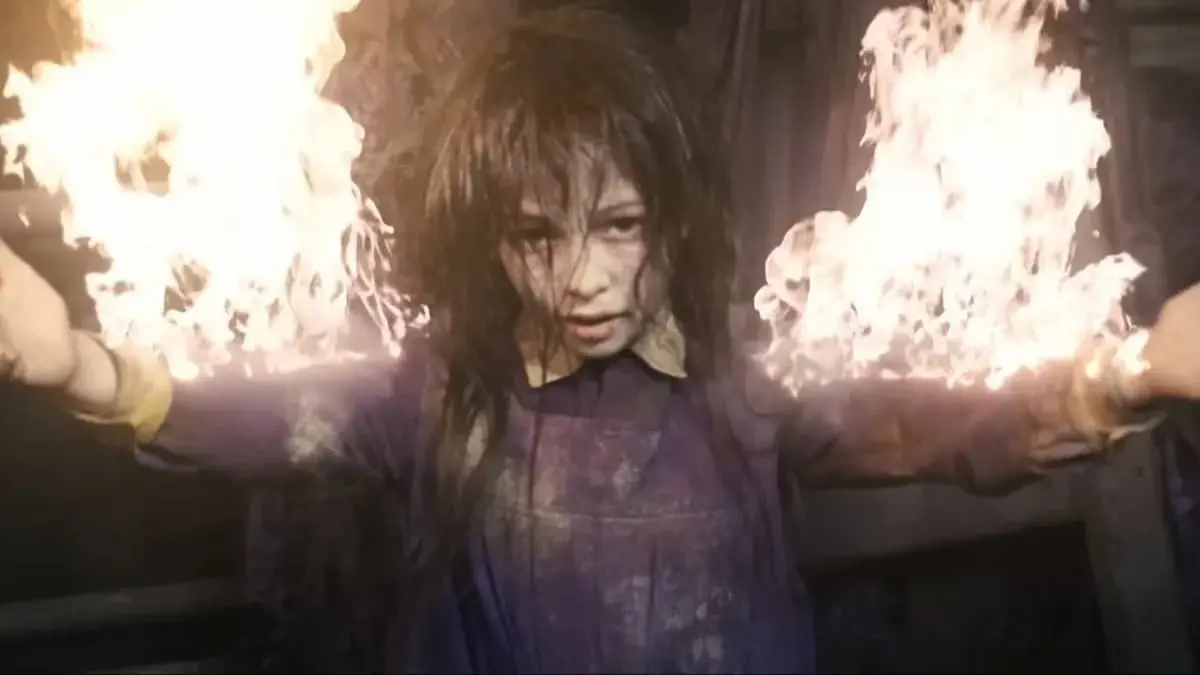
The darkened theater felt colder than it should. On screen, Pyramid Head dragged his blade, a screech that set my teeth on edge, and yet…something felt off. Was it the acting, the script, or just the weight of expectation crushing the celluloid?
Return to Silent Hill has arrived, and initial reactions mirror the original film: critics aren’t impressed, citing mediocre CGI and a weak story. The 2006 film had the same experience with critics, but it clawed its way to cult status regardless.
Could lightning strike twice? My gut says maybe, but I’m tempering my expectations.
Back when Silent Hill (the movie) debuted, video game adaptations were often cynical cash grabs. Developers rarely cared about capturing the heart of the source material. The magic of games rarely translated to film, and Silent Hill seemed doomed to repeat that cycle.
Yet, it stood apart by genuinely trying to respect its source. The tone and representation were faithful, even if the execution wasn’t flawless. Critics still panned the story, the complicated plot, and the acting. Personally, I loved the first half but the second act lost me, even with the strong visuals and intense action.
The film tried to be the definitive Silent Hill movie (being the only one at the time) by jamming characters from various games into a single narrative, and that complicated things. Pyramid Head is awesome, but he’s from the second game, while the movie’s plot borrowed heavily from the first. It was a confusing mix. That’s what happens when a film becomes a chimera, stitched together from spare parts.
I haven’t seen Return to Silent Hill yet, but I suspect it’s facing the same headwinds as its predecessor. Average writing, acting, and the unimpressive CGI we saw in the trailers…it’s likely all there. But if it nails the Silent Hill aesthetic, fans might forgive its flaws.
But, with a mere six percent of critics on Rotten Tomatoes willing to give it a passing grade (compared to 33 percent for the 2006 film), proceed with caution. IMDB shows a 5.9 average, versus 6.5 for the original, though the latter factors in audience scores.
It feels like we’re in a similar spot as before, but we need the full release, January 23rd, to make a real judgement. Based on trailers and fan buzz, it’s sure to draw a crowd, even if many will walk away disappointed.
I just hope it has enough substance to build a cult following, as many low-budget horror films do, even when tied to massive franchises that have fueled an entire genre.
The Burden of Adaptation: Staying True to the Game
I remember aimlessly wandering the halls of my high school while reading *House of Leaves* by Mark Z. Danielewski. It felt like I was going crazy, which I think was the point. The genius of *Silent Hill* lies in its ability to get under your skin, to warp your perception. The challenge for any adaptation is how to translate that intangible dread to a passive medium like film.
Is *Return to Silent Hill* a direct adaptation?
Not exactly. While the original film borrowed elements from the first game, Return to Silent Hill seems more closely tied to Silent Hill 2, often considered the pinnacle of the series. Early trailers showcase familiar locales and iconic monsters, indicating a greater commitment to source material fidelity than some might expect. However, faithfulness alone doesn’t guarantee quality; the execution must be equally strong.
Cult Potential: More Than Just Jump Scares
Some movies become legendary not because of critical acclaim, but because they tap into something deeper. The Rocky Horror Picture Show springs to mind. It was panned upon release, but became a midnight movie staple, beloved for its camp and audience participation. Silent Hill (2006) achieved something similar, resonating with gamers who appreciated the effort to capture the game’s atmosphere, even if the plot was messy. It’s a diamond in the rough.
What makes a movie a “cult classic” anyway?
It’s a confluence of factors. Often, it involves a passionate fanbase that embraces a film despite (or because of) its flaws. Sometimes it’s the film’s unique visual style, its transgressive themes, or its ability to provoke strong emotional reactions. Think of *Blade Runner.* It was a box office disappointment initially, but now it is revered as a science fiction touchstone, in part because it posed questions about humanity and technology that still resonate today. Return to Silent Hill, regardless of its flaws, could spark similar devotion if it connects with viewers on a visceral level.
The Price of Nostalgia: Can It Overcome Flaws?
I will never forget when my dad introduced me to *The Twilight Zone.* I realized that he loved the idea of watching it with me more than the show itself. Nostalgia is a powerful force, especially in horror. We often forgive a film’s shortcomings if it reminds us of something we cherish. The new film might benefit from this effect, provided it delivers enough recognizable elements to trigger that wave of fondness.
How does *Return to Silent Hill* compare to other video game adaptations?
Video game movies have a notoriously uneven track record. From the disastrous *Super Mario Bros.* to the moderately successful *Sonic the Hedgehog*, few have truly captured the spirit of their source material while also delivering a compelling cinematic experience. Recent efforts like *The Last of Us* (HBO) demonstrate that it’s possible to create faithful and critically acclaimed adaptations. Whether Return to Silent Hill can clear this increasingly high bar remains to be seen.
Will Return to Silent Hill defy the critics and carve out its own place in horror fandom?