The gauge ticked down faster than he expected. Range anxiety tightened its grip as the next charging station appeared further away than advertised. Stranded, with a depleted battery and a rapidly chilling cabin, he wondered: Was this electric vehicle experiment worth it?
One of the big questions hovering over the EV revolution is battery longevity and replacement cost. While internal combustion engines boast about racking up hundreds of thousands of kilometers with minimal maintenance, a recent study suggests EV drivers face a different set of concerns, particularly related to charging habits.
The Fast Charge Trade-Off
I recently spoke to an EV owner who exclusively uses DC fast chargers for convenience. Geotab’s research, however, shines a light on why that approach might not be the best long-term strategy.
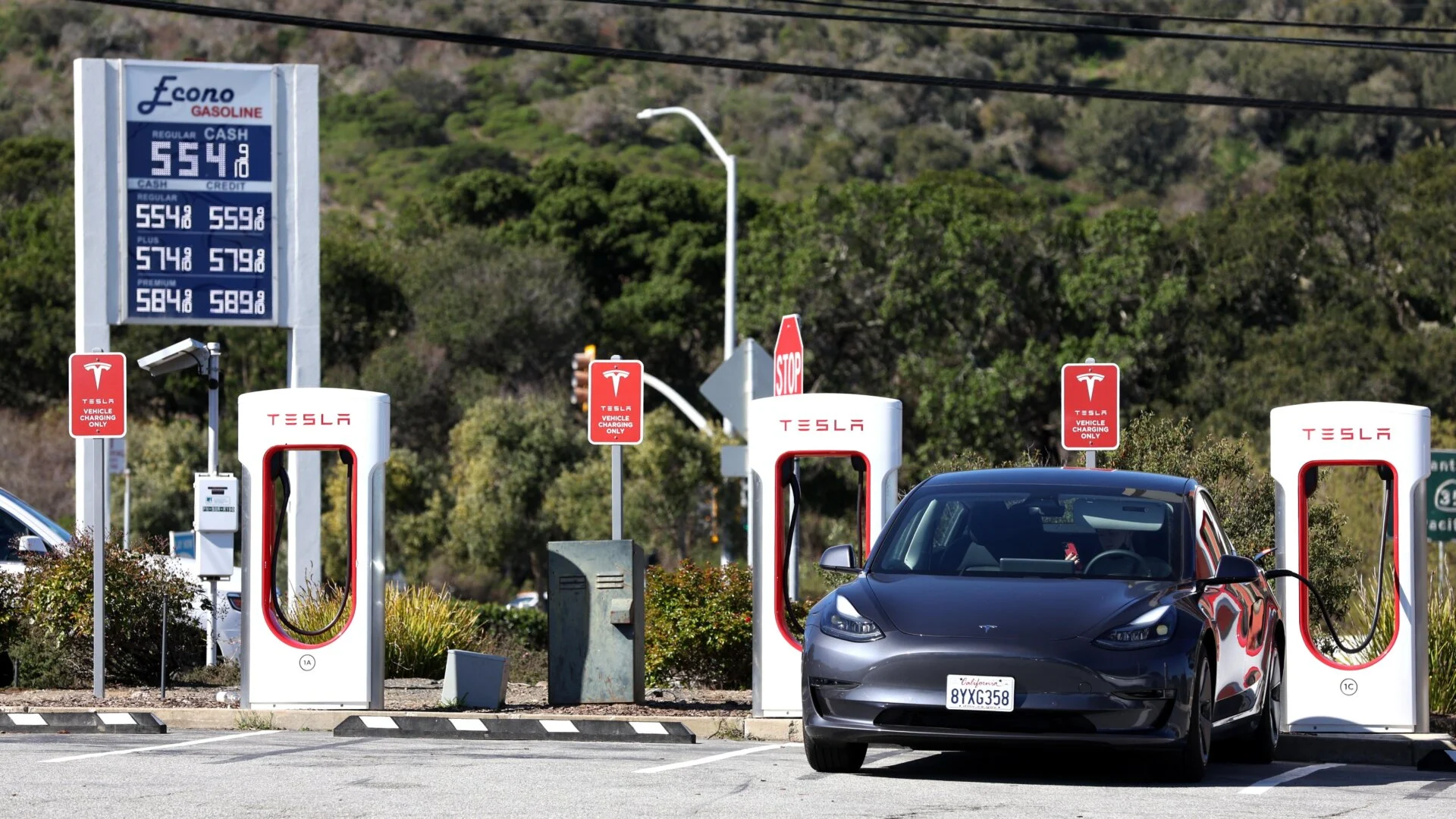
According to Geotab’s latest study, electric vehicles that rely heavily on North American DC fast-charging stations experience almost double the battery degradation compared to EVs charged at lower speeds (below 100 kW). Their annual survey, monitoring battery life across 21 EV models, revealed an average capacity loss of 2.3% per year. But here’s the kicker: EVs that used fast-charging stations more than 12% of the time showed an average annual loss of 2.5%—twice the degradation rate of those with less frequent DC charging.
For those in the know, this might not be a surprise. Higher charging speeds put stress on EV batteries, much like how rapidly charging your smartphone shortens its lifespan. Geotab’s data indicates that the rate of battery degradation has increased since their study two years prior, which showed an annual degradation of just 1.8%. The firm attributes this to the rising popularity of DC fast charging as the EV population grows.
How long do EV batteries really last?
Here’s the encouraging part: Geotab’s research indicates that EV batteries are lasting longer than initially projected, often outliving the vehicle itself. According to S&P Global, the average vehicle lifespan in the U.S. was nearly 13 years as of last year. That’s a relief.
As Charlotte Argue, Geotab’s Senior Manager of Sustainable Mobility, notes, “Our latest data shows that batteries are still lasting well beyond the replacement cycles most fleets plan for. What has changed is that charging behavior now plays a much bigger role in how quickly batteries age, giving operators an opportunity to manage long-term risk through smart charging strategies.”
Smart Charging Strategies: Fueling the Future
Imagine your EV battery as a sponge. Slowly soaking it with energy (Level 2 charging) allows for even saturation. But blasting it with high-voltage current (DC fast charging) is like squeezing it hard, causing wear and tear.
This study underscores that public fast-charging stations are best reserved for those long highway stretches where you need a rapid 10% to 80% boost to get back on the road. This is why they’re often popping up near gas stations or alongside convenience stores, mirroring the Mercedes-Benz and Buc-ee’s partnership from 2023.
How much does EV charging cost?
And here’s another incentive to be judicious with fast charging: cost. DC fast-charging stations are significantly pricier than Level 2 options, let alone home charging. According to Stable.Auto, the national average price at a Level 2 public charging station (July 2024-July 2025) was $0.25 per kWh (€0.23), while DC fast charging averaged $0.47 (€0.43). Charging at home? Just $0.18 per kWh (€0.17).
I know a lot of commuters who are on the road constantly for work. Studies like Geotab’s highlight the continued importance of Level 2 charging in public spaces. Think malls, office parks, or street parking – places where drivers can top off their batteries affordably and extend battery life while they go about their day.
What is the impact of Level 2 charging on battery life?
Level 2 charging is a marathon, not a sprint, for your battery. It delivers power gradually, minimizing heat buildup and stress on the battery cells. The result? A healthier, longer-lasting battery that can go the distance, reducing the need for premature replacements and saving you money in the long run.
Electric vehicle batteries are proving more resilient than many initially feared. It is important to be aware of charging habits. The way you feed your EV can dramatically impact its long-term health and your wallet, so isn’t it time to rethink your charging strategy?