The message wouldn’t send. A simple name, typed into a direct message, bounced back as a violation of community guidelines. Was it a glitch, or was something more insidious at play? TikTok is facing accusations of censorship less than a week after its U.S. operations came under new management.
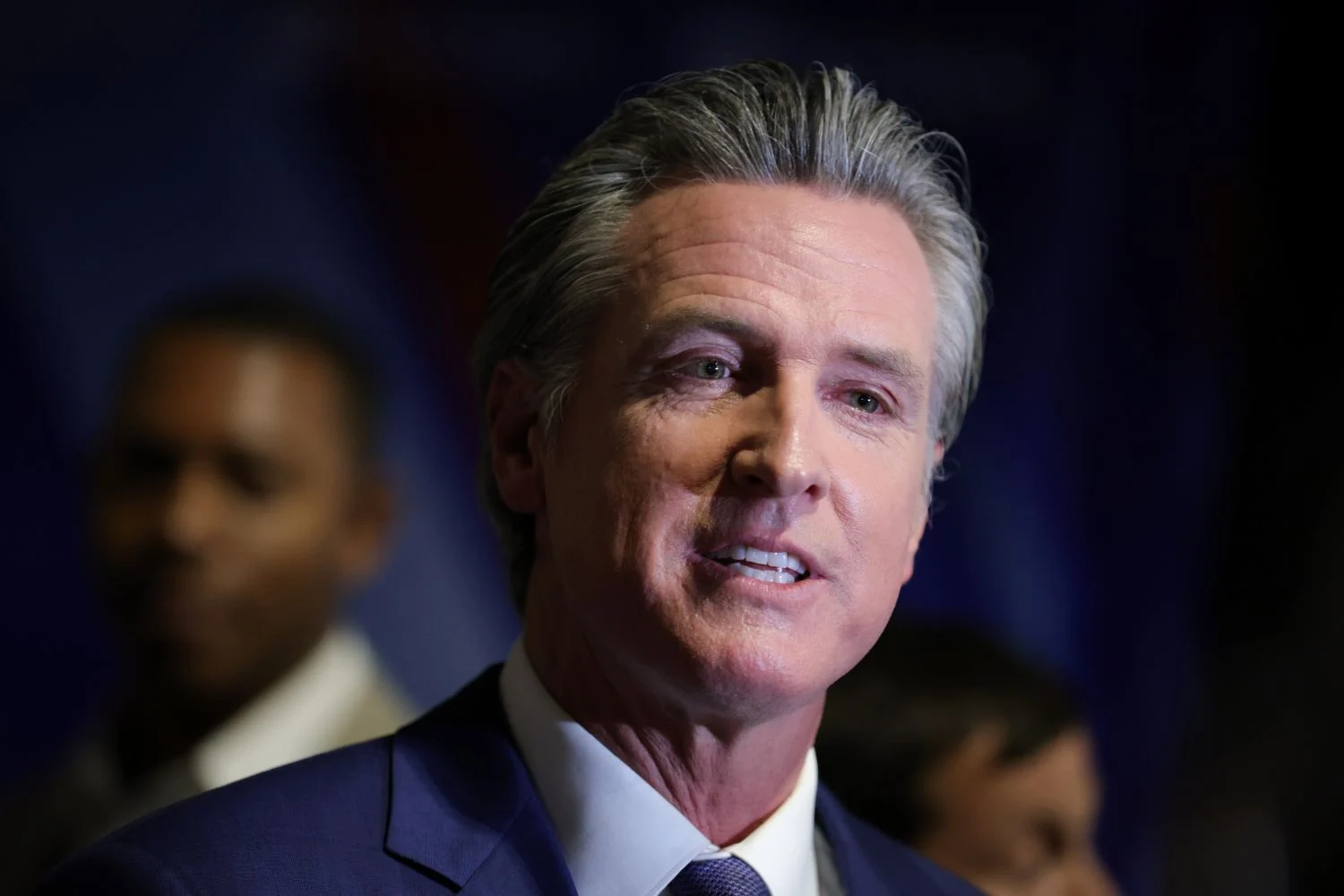
California Governor Gavin Newsom announced Monday night that he is launching a review into whether TikTok is violating state law by allegedly “censoring Trump-critical content.” Newsom made the announcement in a post on X, resharing a user’s claim that when they tried to send a direct message containing the name “Epstein,” it failed to go through because it may have violated TikTok’s community guidelines.
“Following TikTok’s sale to a Trump-aligned business group, our office has received reports — and independently confirmed instances — of suppressed content critical of President Trump,” Newsom’s press office also posted on X. “Gavin Newsom is launching a review of this conduct and is calling on the California Department of Justice to determine whether it violates California law.”
The governor’s press office was referring to news announced last Thursday of a new joint venture that now oversees TikTok’s U.S. business, led by three managing investors who each hold a 15% stake. Those managing investors include Oracle, the tech giant founded by Trump ally Larry Ellison, as well as private equity firm Silver Lake and Abu Dhabi–based MGX.
“We don’t have rules against sharing the name ‘Epstein’ in direct messages and are investigating why some users are experiencing issues,” a TikTok U.S. spokesperson told NPR.
While the new TikTok joint venture did not immediately respond to a request for comment, it did post on X, claiming recent issues with the app stemmed from a power outage at a data center.
“We’re continuing to resolve a major infrastructure issue triggered by a power outage at one of our U.S. data center partner sites,” the statement read. “While the network has been recovered, the outage caused a cascading system failure that we’ve been working to resolve together with our data center partner.”
The statement went on to list issues users may experience, including slower load times and creators temporarily seeing zero views or likes on their videos.
That explanation came after multiple users reported issues that appeared to primarily affect political content on the platform.
A Georgetown law professor claimed in a Bluesky post on Sunday that a video he uploaded to TikTok criticizing the Department of Homeland Security had been “under review” for hours and still couldn’t be shared.
Other users reported having trouble uploading videos related to ICE protests, while still others said they noticed a sudden drop in political content on the app more broadly.
TikTok also experienced wider technical issues over the weekend, with Downdetector reporting more than 500,000 user reports between Sunday and Monday. Many of those complaints cited problems with the app’s functionality, including the For You page failing to refresh.
On Monday, CNBC reported that the number of U.S. users who were deleting the app had increased by 150 percent, according to Sensor Tower data.
The timing of the disruptions fueled rumors that the problems were tied to the new ownership of TikTok’s U.S. business.
In its announcement, the joint venture said its mandate was to “secure U.S. user data, apps and the algorithm through comprehensive data privacy and cybersecurity measures,” adding that the algorithm would be retrained on U.S. user data and secured on Oracle servers.
Still, some lawmakers have suggested in the past that the years-long push to ban TikTok had less to do with national security and more to do with the kind of political content circulating on the platform.
At a forum in May 2024, then-Sen. Mitt Romney linked broad bipartisan support for banning TikTok unless it cut ties with China to concerns among lawmakers about pro-Palestinian content on the app.
Newsom wasn’t the only politician to call out TikTok more recently
“I know it’s hard to track all the threats to democracy out there right now, but this is at the top of the list,” Sen. Chris Murphy wrote in a post on X, referencing the alleged censorship.
Sen. Bernie Sanders said, in his post on Monday, that Ellison now controls the TikTok algorithm alongside media properties owned by Paramount, including CBS, MTV, and Nickelodeon.
“This is what Oligarchy looks like,” Sanders said.
TikTok Under Fire: A Rocky Start Under New Management
Imagine typing a name into a private message and getting blocked. That’s the reality some TikTok users are reporting. The popular social media app is facing a storm of controversy, and it hasn’t even been a full week since its U.S. operations came under new management.
The core of the issue? Allegations of mass censorship. Users are claiming that content, particularly anything critical of Donald Trump, is being suppressed. It’s like a digital veil is falling over certain voices.
California Governor Gavin Newsom is taking these claims seriously, announcing a formal review into whether TikTok is violating state law. The investigation was sparked by a user report that direct messages containing the name “Epstein” were being blocked.
Newsom Calls for Investigation: Alleged Censorship of Trump-Critical Content
On Monday, Newsom announced the probe via a post on X, amplifying user claims of blocked messages. His office stated they had “independently confirmed instances” of suppressed content.
The announcement adds further fuel to a fire already burning around TikTok’s new U.S. joint venture, which is led by Oracle (founded by Trump ally Larry Ellison), private equity firm Silver Lake, and Abu Dhabi-based MGX.
Is TikTok censoring certain words or topics?
TikTok has publicly denied any censorship of the name “Epstein” and claims to be investigating the issue. However, this hasn’t quelled the growing concerns.
TikTok Responds: Power Outage Blamed for Technical Issues
The platform’s initial response pointed to a power outage at a U.S. data center as the root cause of recent technical difficulties. You may have seen slower loading times or a temporary dip in views and likes. But not everyone is buying that explanation.
“We’re continuing to resolve a major infrastructure issue triggered by a power outage at one of our U.S. data center partner sites,” TikTok U.S. said in a statement. “While the network has been recovered, the outage caused a cascading system failure that we’ve been working to resolve together with our data center partner.”
Users Report Political Content Suppression
One Georgetown law professor reported that a video criticizing the Department of Homeland Security was stuck in “under review” limbo, making it impossible to share. It’s as if the app had developed a mind of its own, filtering content based on an unknown agenda.
Why are people uninstalling TikTok?
Other users reported issues with uploading videos related to ICE protests, while some observed a general decline in political content on the platform. The disruptions have damaged user confidence, which is a terrible look for a brand.
According to data from Sensor Tower, CNBC reported that the number of U.S. users deleting the app increased by 150%.
Rumors Swirl: New Ownership Under Scrutiny
The timing of these issues has ignited speculation that the new ownership is influencing content moderation. Is TikTok’s algorithm being fine-tuned to favor certain narratives, or are these simply growing pains as the platform transitions?
Who controls the TikTok algorithm now?
Bernie Sanders pointed out that Larry Ellison, a Trump ally, now controls the TikTok algorithm alongside media properties owned by Paramount, including CBS, MTV, and Nickelodeon. To Sanders, this concentration of power is nothing less than “Oligarchy.”
Lawmakers Weigh In: National Security vs. Political Content
It’s worth remembering that the push to ban TikTok predates this new ownership. Some lawmakers, like then-Senator Mitt Romney, have suggested that the concerns about TikTok aren’t solely about national security but also about the type of political content circulating on the platform. In Romney’s view, the platform was too pro-Palestinian.
Senator Chris Murphy echoed these concerns, stating, “I know it’s hard to track all the threats to democracy out there right now, but this is at the of the list.”
The question remains: is this a genuine attempt to secure user data, or is it a politically motivated move to silence certain voices?