
Remember that feeling when you were one launchpad away from victory, only to be sniped from the sky? Or the frustration of lag spikes costing you a crucial build battle? Fortnite Chapter 7 Season 1 has felt that way for many—a series of near-misses and unexpected setbacks. But what if I told you the cavalry is inbound?
A recent statement from Ted Timmins, Design Director for Fortnite, addresses player concerns head-on, offering a glimmer of hope for the future. Here’s what you should know:
Shockwave Grenades Set to Return as Epic Forms Player-First Team
Ever notice how the most chaotic matches are often the most fun? Ted Timmins took to X to address the elephant in the room: Chapter 7 Season 1’s “back to basics” approach, while intended as a clean slate, may have swung too far, becoming stale for some players.
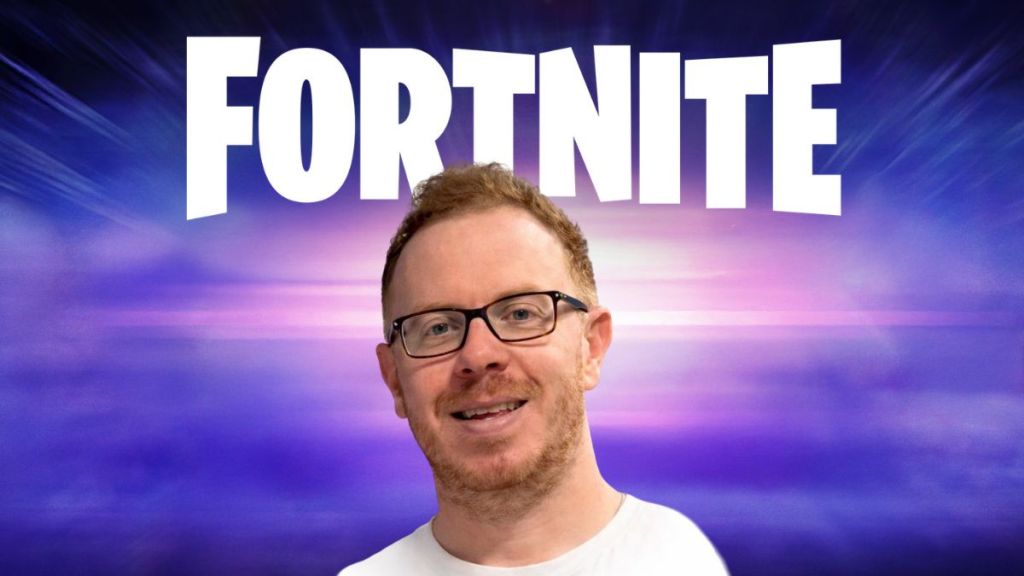
The good news? “A fun update in February” is on the horizon, potentially bringing back both Self-Revives and, yes, Shockwave Grenades. Consider this a course correction. If Chapter 7 Season 1 was a carefully laid brick road, then Season 2 aims to be a high-octane off-road rally.
Timmins’ X post didn’t stop there. He also addressed game stability, announcing a “multi-discipline live-ops strike team” dedicated to addressing player feedback and implementing Quality of Life (QoL) updates. This team, a permanent addition to the Fortnite development structure, will focus on improvements in the months ahead.
Why was the shockwave grenade removed?
While Epic Games hasn’t explicitly detailed the reason for the Shockwave Grenade’s initial removal, the shift towards a simpler, “back to basics” experience at the start of Chapter 7 Season 1 likely played a role. The intent might have been to reduce complexity and focus on core gameplay mechanics. It’s a balancing act—do you prioritize accessibility or cater to advanced strategies? It seems they’re now course-correcting to find a sweet spot.
How much does it cost to develop a game like Fortnite?
Developing a game like Fortnite is a massive undertaking. While the exact figure remains undisclosed, industry insiders estimate development costs can range from $100 million to upwards of $300 million (€92M to €276M), not including ongoing operational expenses, marketing, and content updates. This figure underscores the significant investment Epic Games continues to make in Fortnite’s evolution.
What kind of impact will the new QoL team have?
The impact of the new player-first team could be significant. Issues like high ping, matchmaking errors, and in-game glitches have been a source of frustration for many. A dedicated team focusing on these issues signals a commitment to improving the overall player experience. This is not just about adding new content; it’s about refining the core gameplay loop to ensure that every match feels fair, responsive, and enjoyable.
The return of Shockwave Grenades alone is reason for celebration for many. But the creation of a player-first team signifies a deeper shift—a recognition that listening to the community is as important as designing the next big thing. Is this a turning point for Fortnite, signaling a new era of responsiveness and player-driven development?