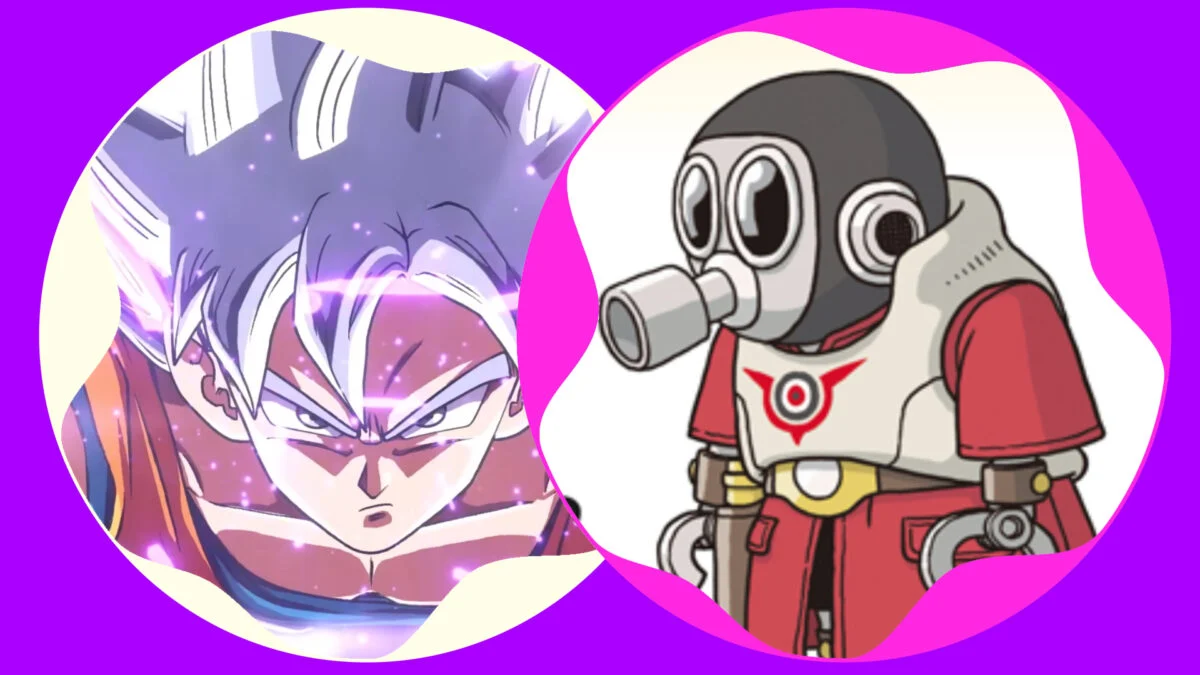
The news hit like a rogue planet: Akira Toriyama, the mind behind Dragon Ball, was gone. For a generation raised on Goku’s relentless energy blasts and Vegeta’s simmering pride, it felt like a piece of childhood had crumbled. Now, as new Dragon Ball projects are announced, a nagging question lingers: can the magic survive without its creator?
The industry keeps churning, even after losing a giant. Since Toriyama’s passing in 2024, we’ve seen Toei Animation continue with Dragon Ball Daima, the bone-crunching action of Dragon Ball: Sparking Zero, updates across many games, and fresh chapters of the Dragon Ball Super manga by Toyotarou.
There was also an anime and game for Sand Land. We’ve been easing into a world without Toriyama’s direct involvement. Fans are left pondering what the future holds for Dragon Ball.
The Echo of Absence: When Great Creators Pass
Think about your favorite band replacing its lead singer. It might still sound good, but something irreplaceable is missing. Other series have faced similar turning points; consider Berserk, continued by Kentaro Miura’s friend, Kouji Mori, after Miura’s death. The series, while visually similar, feels different. The pacing changed, and the story sometimes feels rushed.
Mori has a huge task. It’s not easy to finish what many consider a masterpiece. The same could be said for Dragon Ball Super‘s manga since the Tournament of Power arc.
The next chapter is clear for now: Toei Animation will adapt the Super manga’s Galactic Patrol arc—overseen by Toriyama. Fans are expecting great things. Goku, Vegeta, and Frieza get new forms, and Moro, the “Planet-Eater,” arrives as a villain—fans want Keith David to voice him.
Hear me out pic.twitter.com/1l25VyJTgz
— SektorMaid (@song0han12) January 29, 2026
How Has Toyotarou Honored Toriyama’s Legacy in ‘Dragon Ball Super’?
Toyotarou seems like a solid choice to steer Dragon Ball forward. The real concern is Toei Animation, seemingly stuck on what’s next. Are they going to retread old ground or rely on posthumous releases? Consider the new characters for Bandai Namco’s “Age 1000.”
This character’s design, an amalgamation of Gohan, Cheelai, and a Saiyan template, carries weight labeled “Akira Toriyama Presents.” This might be one of his last original designs.
It’s great to see, but feels a bit exploitative to leverage Toriyama’s name now. It feels like the first of many, which isn’t a good direction for a series that had a satisfying conclusion.
Will Future ‘Dragon Ball’ Projects Rely Heavily on Nostalgia?
Consider Dragon Ball Super: Beerus, Toei Animation’s “enhanced remake” of Battle of the Gods. While the remake fixes animation issues from the original, Toei advertising it as truer to Toriyama’s ideas feels like manufactured hype.
Toei can use this line for anything Dragon Ball-related, banking on Toriyama’s legacy. Comic books do this, and Dragon Ball fans are loyal. But it sets a worrying example. The franchise, and Goku, could become a brand mascot first, a story second.
The series stands at a crossroads, what Dragon Ball is versus what it was. With luck, Toyotarou’s leadership will help the series, but the future looks uncertain. The franchise feels like a ship without a rudder, listing from side to side.
What New Directions Can ‘Dragon Ball’ Take While Staying True to Its Roots?
The heart of Dragon Ball lies in its blend of humor, action, and character growth. Maintaining that balance is key. New stories should explore different aspects of the universe. The series could delve into the backstories of lesser-known characters or explore the consequences of constant battles on different planets. A whole host of creative storytelling options are there for the taking.
The series shouldn’t become a parody of itself or just a vehicle to sell merchandise. It needs fresh ideas and the courage to take risks, but it also needs respect for what came before.
As Toei moves forward without Toriyama, what Dragon Ball will become is uncertain. Can the franchise evolve while honoring its past, or will it become a shadow of its former self?