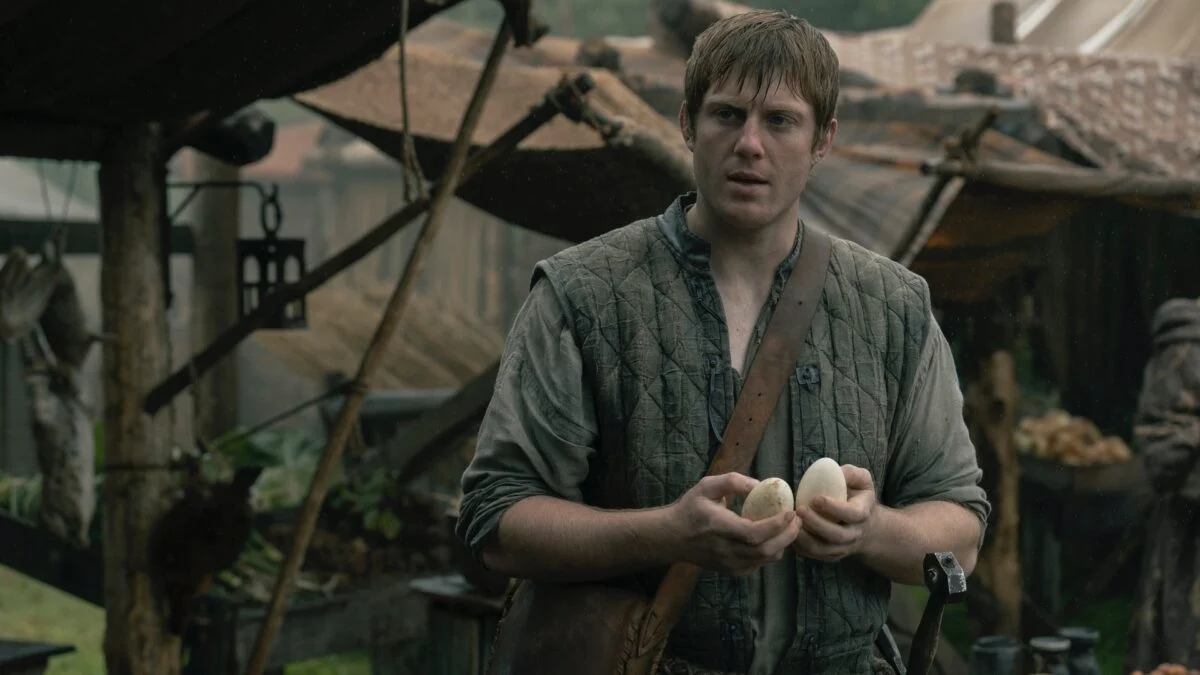
The after-party following the Game of Thrones finale was… subdued. HBO executives whispered about dragons and budgets, uncertain if they could recapture lightning in a bottle. What they didn’t expect was that a seemingly minor gamble, a modest story about a hedge knight and his young squire, would quietly reshape their entire approach to Westeros.
Knight of the Seven Kingdoms, starring the towering Ser Duncan the Tall, has proven a surprising hit. Unlike its predecessor, this is a story of everyday people, existing outside the viper’s nest of royal politics. It’s a breath of fresh air, and HBO’s head, Casey Bloys, is taking notice.
Bloys recently spoke with Deadline about the show’s source material. He highlighted its focus on character relationships rather than sprawling battles, a shift that’s clearly resonating with audiences.
The ripple effects of Knight’s triumph are already being felt. Bloys suggests this success doesn’t mandate every future spinoff mirror its smaller scale. The world is vast, capable of accommodating both intimate character studies like Knight and grand epics akin to House of the Dragon.
He also hinted that these more contained stories could allow for faster production cycles. Imagine a yearly dose of Westeros, rather than waiting years between seasons. For instance, the second season of Knight is slated to bridge the gap between the 2026 and 2028 releases of House of the Dragon‘s third and fourth seasons.
Bloys stated that HBO’s business model is a portfolio, permitting shows such as The Last of Us or House of the Dragon to coexist with smaller productions such as Somebody Somewhere or The Chair Company. He added that some additions, such as The Pitt, could return annually, or that the creative for Knight of the Seven Kingdoms might allow for easier production at a smaller scale, facilitating a yearly return.
With plans stretching to 2028 and beyond, how will HBO apply these lessons to its other Westeros projects? Deadline mentions several potential series are in development, including a Jon Snow/Arya Stark sequel, the animated Nine Voyages (based on Corlys Velaryon), 10,000 Ships (focused on Nymeria), and a series about Aegon’s Conquest.
The Unlikely Appeal of Westeros’s Underdogs
Think of the last time you cheered for the underdog. Was it the scrappy local team or the independent filmmaker at Sundance? There’s something deeply satisfying about seeing ordinary people triumph. Knight of the Seven Kingdoms taps into this same wellspring of emotion.
The show focuses on Ser Duncan and his squire, Egg (the future Aegon V Targaryen). Their adventures are smaller in scale, more personal, and infinitely relatable. They mirror the challenges and triumphs we experience in our own lives, but set against the backdrop of Westeros.
Can ‘Knight of the Seven Kingdoms’ Maintain Its Appeal?
The challenge will be to maintain the show’s intimate feel as it progresses. Will the charm fade as Duncan and Egg become more entangled in the larger political landscape? The key, I suspect, lies in staying true to the characters and their relationship.
The HBO Balancing Act: Dragons vs. Dunk
I once watched a master juggler keep seven balls in the air. Each ball represented a different element: size, weight, texture. HBO faces a similar challenge with its Game of Thrones universe: maintaining a delicate equilibrium between spectacle and intimacy.
House of the Dragon delivers the fire-breathing grandeur that fans expect. Knight of the Seven Kingdoms offers a more grounded perspective. The trick is to ensure that neither show overshadows the other. They need to complement each other, appealing to different facets of the fanbase.
Will the other ‘Game of Thrones’ spinoffs take on a smaller scale?
According to Bloys, not necessarily. He envisions a diverse portfolio, a mix of large-scale epics and more intimate character-driven stories. This approach allows HBO to cater to a wider audience, ensuring that there’s something for everyone in Westeros (€ equivalent).
The Future of Westeros: What Can We Expect?
The success of Knight of the Seven Kingdoms has undoubtedly given HBO pause. It’s a reminder that compelling storytelling doesn’t always require massive budgets and CGI dragons. Sometimes, the most captivating stories are the ones that focus on the human element.
The question now is: how will HBO incorporate this lesson into its future projects? Will we see more character-driven spinoffs? Will the focus shift away from grand battles and towards more personal narratives? Only time will tell.
Could a Smaller Scale Mean More Frequent Seasons?
Potentially, yes. Bloys hinted that smaller-scale productions could allow for faster turnaround times, leading to more frequent seasons. This would be a welcome change for fans who are tired of waiting years between installments (€ equivalent).
One thing is clear: the future of Game of Thrones on the small screen is looking brighter than ever. And it’s all thanks to a tall knight and his young squire. The question remains: will the pursuit of spectacle ultimately eclipse the quiet power of character-driven narratives?