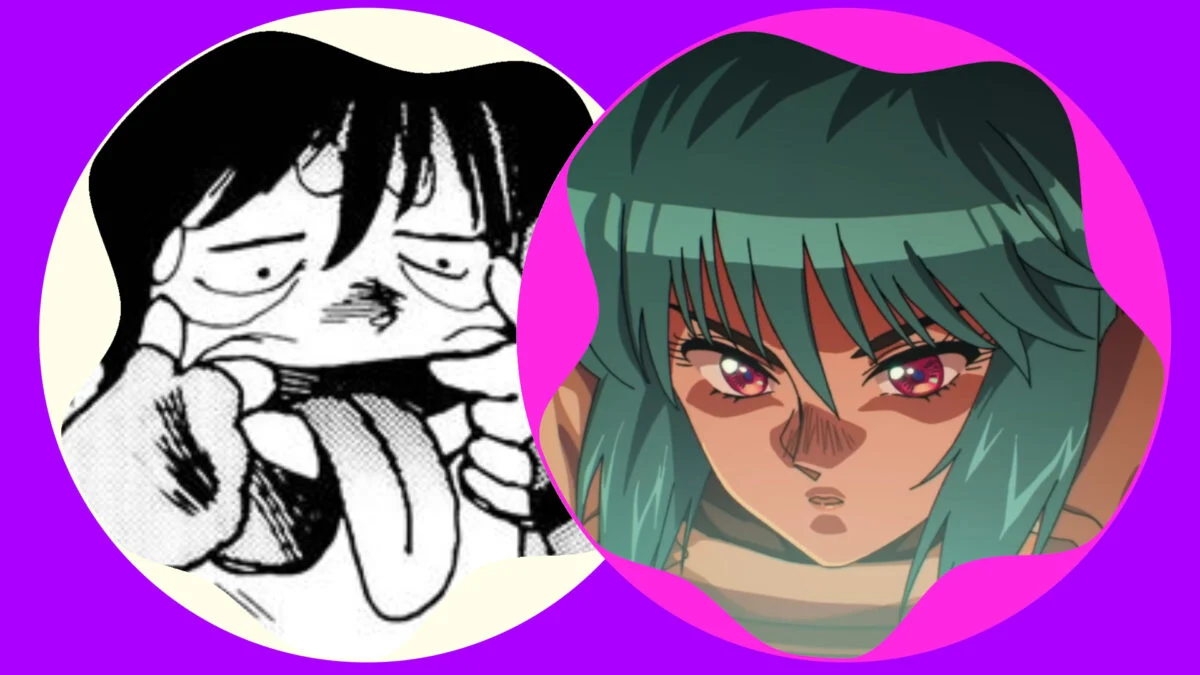
The year is closing in. I keep thinking about the neon-drenched streets, the hum of cybernetics, and the philosophical questions that Masamune Shirow’s Ghost in the Shell posed back in 1989. Now, just a couple of years shy of its 2029 setting, it feels less like science fiction and more like a prophecy waiting to unfold. What parts of that vision will Science Saru bring to life?
Since its debut, Motoko Kusanagi’s story has mutated across media—Mamoru Oshii’s landmark film, multiple series, that Scarlett Johansson misfire, and now a fresh anime take from Dan Da Dan‘s Science Saru. Early teasers hint at an aesthetic ripped straight from Shirow’s vibrant manga. However, my real hope isn’t just visual fidelity. It’s for the return of Kusanagi’s playful spirit.
The Ghost in the Shell, helmed by Toma Kimura (aka Mokachan), who directed episodes of Scott Pilgrim Takes Off, centers on Major Kusanagi, the cyborg leader of Section 9. They tackle cybercrime, navigating the murky waters where government overreach and terrorist plots converge. These cases often spark philosophical debates about humanity and tech in a near future—all with a healthy dose of action.
Ghost in the Shell creator Masamune Shirow really said it best when it comes to adaptations of his works.
It doesn’t surprise me that his favorite of the GitS movies is Innocence precisely because it has more of Mamoru Oshii’s style in it. pic.twitter.com/fbnGGUJd44
— Dream’s Longest Day (@Dreamboum) February 4, 2026
The Major’s Evolution: From Goofball to Grim Reaper
Think about your favorite comedian. Chances are, their public persona is just one facet of their personality. The same holds true for Motoko Kusanagi. Since Oshii’s ’95 film, Ghost in the Shell has largely presented Kusanagi as relentlessly serious. Sure, Batou offers comic relief, and Kusanagi occasionally throws in a dry remark. But from Stand Alone Complex to Arise, she’s mostly portrayed as a stoic figure—the John Wick of cyberpunk.
This is a 180-degree turn from Shirow’s original vision. His Kusanagi isn’t somber; she’s whimsical, almost forced into seriousness by circumstance.

In the manga, the Major is pure, unadulterated goof. She mocks Aramaki, Section 9’s gorilla-faced boss, for giving them impossible missions. She gets wasted after hacking some poor sap and making him punch himself. Before Shirow revised some editions, she even enjoyed trippy, braindance-fueled escapades with her friends.
This Motoko is flawed, resilient, and funny—a stark contrast to the hyper-competent figure many fans consider the definitive version. This new anime is a chance to rewrite that story.
What Makes Science Saru the Right Studio for the Job?
Think about a chameleon. It adapts to its surroundings, changing colors to blend in. Science Saru seems to have a similar ability, effortlessly shifting between genres and tones. This is a studio capable of delivering the brutal darkness of Devilman Crybaby while simultaneously capturing the manic energy of Dan Da Dan and Sanda. They have the range to resurrect the Major’s original personality for a mainstream audience.
CD: Shuhei Handa pic.twitter.com/bVUUh9Jp7h
— 假情报师 (@cjAus101723) April 12, 2025
What Hints Have We Seen So Far?
Consider the small details. Emotive facial expressions in Shuhei Handa’s character sheets, glimpses in teaser trailers, and those key frames at the art exhibit in Japan – they all point to a Kusanagi brimming with personality. It appears Science Saru is ready to embrace that side of her when The Ghost in the Shell arrives later this year. Will this new iteration finally bridge the gap between the manga’s playful spirit and the anime’s serious tone, or will it be another missed opportunity?
How Can the New Anime Balance Action and Humor?
Balancing action and humor requires finesse. It’s not about slapstick in the middle of a firefight, but rather weaving witty dialogue and character-driven moments into the narrative. Think of a show like Cowboy Bebop, which seamlessly blended serious storylines with moments of levity. Can Science Saru strike a similar balance, delivering thrilling action while showcasing Kusanagi’s inherent goofiness?
I can’t wait for fans of other adaptations of the series to meet her for the first time in all her goofy glory. But will this version of the Major resonate with audiences accustomed to her stoic portrayal, or will they reject her lighter side?