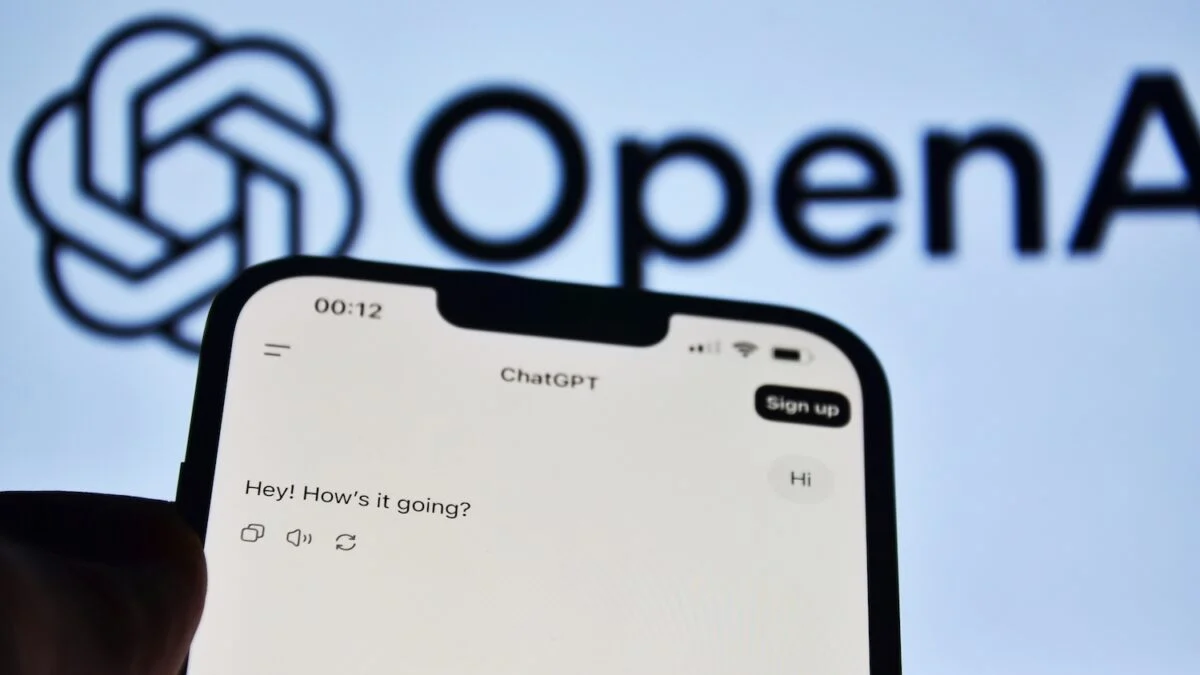
The clock struck midnight, and while the halftime show faded into memory, a new tension brewed in the AI landscape. Anthropic had just dialed up the drama with cheeky Super Bowl commercials mocking OpenAI’s impending shift toward advertising in ChatGPT. Barely hours later, OpenAI confirmed those ads would indeed roll out—but for whom?
Starting Monday, logged-in adult users on the Free and Go subscription tiers will catch glimpses of ads while navigating the ChatGPT interface. For now, those with paid subscriptions remain safe—at least temporarily.
In a distinctive press release, OpenAI tried to establish boundaries, assuring users that “ads do not influence the answers ChatGPT gives you,” while pointing out that your chat history could affect which ads you see. “We’re starting with a test to learn, listen, and make sure we get the experience right.” But what does that really mean for your interactions?
The digital world has been buzzing about Anthropic’s four Super Bowl spots. Each ad portrays a different person consulting a chatbot who serves up offbeat, sometimes inappropriate ads disguised as advice. They concluded each spot with a punchline: “Ads are coming to AI. But not to Claude.” This jab rings particularly true, given OpenAI hinted at an ad-driven revenue model back in December.
OpenAI’s CEO, Sam Altman, took to Twitter to respond, labeling Anthropic’s advertisements as “funny” yet “clearly dishonest.” While he acknowledged the potential for ad monetization to sustain ChatGPT’s free offering, he reassured users that subscribers would remain ad-free. He didn’t hold back, either: “More Texans use ChatGPT for free than total people use Claude in the US.” Apparently, OpenAI faces a “differently-shaped problem,” a jab at Anthropic’s exclusive audience.
This ongoing rivalry is no surprise. The Amodei siblings, former OpenAI employees, have been vocal critics of their old employer, and their current approach toward AI resonates differently from Altman’s. Dario Amodei often discusses the looming dangers of AI superintelligence, while Altman remains excited about its potential. Now, ads join the growing division between these titans.
OpenAI assures that ads in ChatGPT will be “clearly labeled as sponsored and visually separated” from the main content. They’ve promised safeguards to protect user privacy: even though ads will target you based on your chats, advertisers won’t have access to those conversations, nor will ads appear near sensitive subjects like health or politics. But is that enough?
Anthropic argues that such ads could shift the focus toward engagement metrics rather than genuine help. “Such ads would also introduce an incentive to optimize for engagement,” they stated in a more recent press release. Imagine trading genuine interactions for clicks and views—does that compromise the integrity of AI assistance?
Perhaps the most startling aspect of OpenAI’s current direction is Altman’s previous stance against ad-driven models. He once described “ads-plus-AI” as a “last resort” and expressed discomfort with the idea. Now, it seems those principles have shifted quite dramatically. Is this merely a necessary pivot in a fiercely competitive landscape, or a slippery slope toward commercialization at the expense of quality?
As these giants of technology clash, one thing is clear: the dynamics of AI continue to evolve. What does this mean for users who value privacy and personalized assistance in exchange for ads? Will you welcome or resist this new chapter?