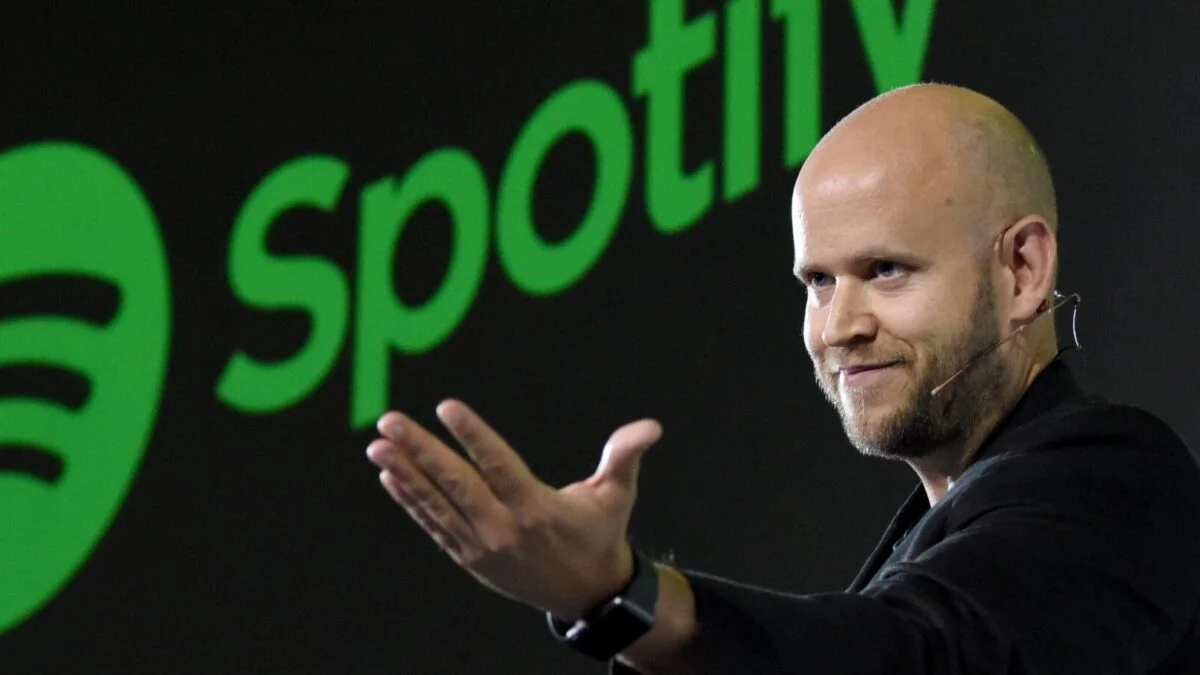
As the sun set over Berlin, whispers of betrayal surrounded Spotify’s founder, Daniel Ek. A tech luminary, once celebrated for revolutionizing music streaming, now finds himself in a storm of controversy as his venture into military drones raises urgent questions about ethics and artistry. It’s a shocking twist for a billionaire known for fostering creativity.
According to a Financial Times report, Ek’s defense AI company, Helsing, will provide the German armed forces with up to €1.46 billion (around $1.74 billion) worth of unmanned kamikaze drones. This move has not only ignited debates but also positioned Helsing as one of Europe’s largest defense startups, underpinning Ek’s controversial venture.
Building Bridges or Fortresses?
In the shadows of this deal, another player emerges. Supported by Peter Thiel, Berlin-based Stark could pocket up to €2.86 billion, further complicating the narrative surrounding government contracts and entrepreneurship in defense. It’s a land rife with moral dilemmas, where the line between innovation and destruction blurs amidst the relentless pursuit of profit.
A Symphony of Dollars and Drones
Ek’s long-term involvement with Helsing is fraught with controversy. His venture capital firm, Prima Materia, recently spearheaded a €630 million funding round that many artists, including Massive Attack, condemned as they pulled their music from Spotify in protest. “The economic burden that has long been placed on artists is now compounded by a moral and ethical burden,” Massive Attack stated, echoing sentiments shared broadly through social media as musicians grapple with the implications of their craft financing potential warfare.
How is AI Reshaping Modern Warfare?
While governments globally, including the U.S., funnel billions into AI technologies, the unsettling role of artificial intelligence in warfare solidifies its presence in our realities. Experts express concern over the reliance on evolving technology for life-or-death situations, and the troubling gamification of conflict emerges as a new battlefield mantra.
Behind the Veil of Military Contracts
Helsing’s contracts extend beyond Germany, encapsulating partnerships with France, the U.K., Estonia, and Ukraine, painting a broader picture of AI’s role in defense. Amid claims of malfunctioning systems during frontline tests in Ukraine, the company vehemently denies any operational issues, raising questions about the reliability of this technology—especially when human lives are at stake.
Why are Artists Boycotting Spotify?
As Spotify faces mounting backlash over its treatment of artists, the platform’s embrace of AI-generated music has sparked protests, including the No Kings protests. Activists urge a boycott of a platform integral to musicians’ livelihoods, placing creative freedom against a backdrop of corporate ambition.
Despite these tumultuous events, Spotify reported its most successful quarter yet, with a staggering 11% year-over-year increase in active users. How can a company thrive amidst such backlash? Perhaps the answer lies in our ever-evolving relationship with technology, prompting us to question whether we’re moving toward a harmonious future or unwittingly stepping into a dystopian age.