2026 is on the horizon, and for fans of Magic: The Gathering, it’s shaping up to be a momentous year. With seven major sets slated for release, it feels as if the game is both expanding and teetering on the edge of its identity. The excitement is palpable, yet for some, there lingers an unsettling question: Will traditional gameplay be overshadowed by the tidal wave of licensed crossovers?
This week, Hasbro unveiled its fourth-quarter financial report, and the numbers reveal just how pivotal Magic has become to the toy giant. According to CEO Chris Cocks (via Polygon), Magic generated a staggering $1.7 billion in profits last year, a 60% increase compared to 2024. This surge was driven in part by the phenomenal success of two best-selling sets: Final Fantasy in the summer and Avatar: The Last Airbender in winter, the latter now ranking as the third best-selling product in the “Universes Beyond” series, following only Lord of the Rings: Tales of Middle-Earth and Final Fantasy.
However, this financial triumph can feel like a double-edged sword for players concerned about the game’s direction. The trend towards licensed crossovers has become increasingly pronounced. Each major licensing deal hints at upcoming cards—except for this week’s announcement of the Harry Potter license, which sparked fears of backlash among fans, given its controversial author. With Universes Beyond releases outnumbering original sets, it’s easy to fear that Magic‘s core identity might fade away.
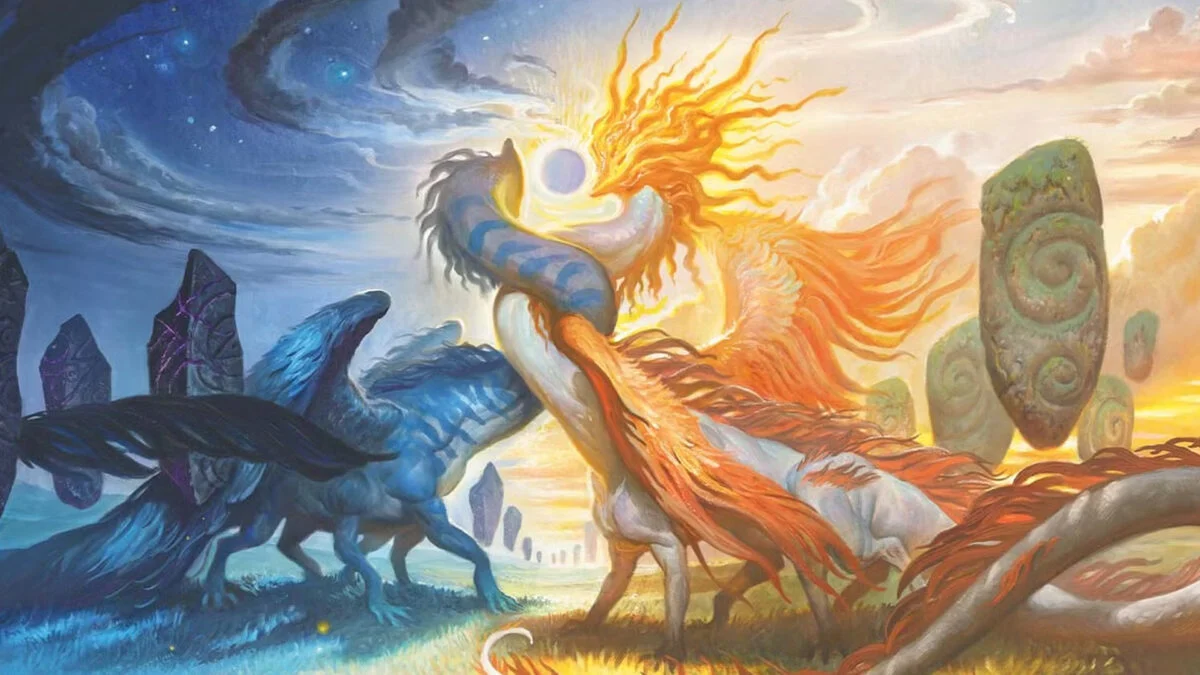
But it may not be as dire as it appears. In the same breath celebrating the success of these crossover sets, Cocks also highlighted the exceptional performance of last month’s Lorwyn Eclipsed, marking it as the fastest-selling in-universe set in Magic history, just weeks after its launch on January 23. This suggests a thriving demand not merely for crossovers but also for original narratives and cherished lore.
While solid comparative figures are still pending, the breakout success of Lorwyn Eclipsed hints that something deeper is at play. Perhaps the Universes Beyond collaborations are not merely siphoning away engagement but instead are bringing in new players who will remain loyal and invested in the broader universe of Magic, much like a captivating series that pulls in casual viewers eager for more. The challenge now is to cultivate this newfound interest into a lasting community, one that thrives beyond the allure of transient tie-ins.
But for traditionalists who resent the encroaching dominance of crossover content, these developments might feel like mere consolation. The reality remains: Hasbro’s profitability indicates that Universes Beyond is here to stay. Yet this surge doesn’t have to spell doom for original Magic; it could be the lifeblood enhancing all aspects of the game. Will the fans’ love for the classic resonate loudly enough to shape Magic‘s future, or is it destined to be swept away in the crossovers? The cards will be on the table soon enough.
Want more Movies & TV news? Check out when to expect the latest Marvel, Star Wars, and Star Trek releases, what’s next for the DC Universe on film and TV, and everything you need to know about the future of Doctor Who.