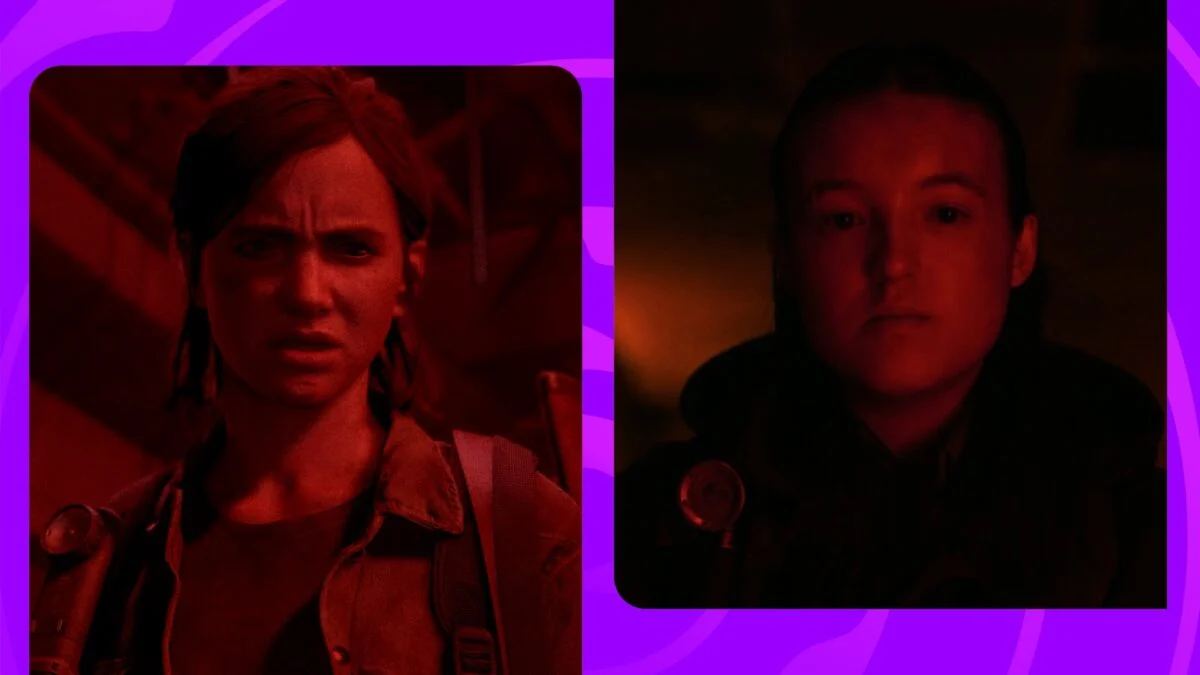
When Ashley Johnson hears the roar of discontent swirling around the second season of The Last of Us, it’s more than just an echo. It’s the unmistakable sound of passionate fans grappling with the adaptation of a beloved narrative. The intense reactions—some constructive, some not—reflect a collective struggle to align personal expectations with a creative vision that dares to diverge from the source material.
Fans and Creators: A Tug of War
In a recent conversation with The Direct, Johnson articulated the dichotomy of expectations versus reality. Describing the backlash as rooted in fervent love for the game, she empathizes with both sides. “Sometimes that passion feels really great, and sometimes it feels not great,” she noted. It’s like holding two magnets together, the attraction undeniable yet fraught with resistance.
What Do Fans Really Want from Adaptations?
Adaptations can be a double-edged sword. Fans yearn for authenticity but often grapple with what authenticity truly means. Johnson highlights that creators strive for what they believe is right, not merely what will please the online crowd. “We hope that people come along for the ride and enjoy it,” she explained, revealing the precarious balance of meeting artistic integrity while catering to fan desires.
Nuance Lost in Translation
The discourse surrounding season two isn’t solely rooted in fandom fervor. Critics, including io9, have pointed out that the show sometimes falters in trusting its audience, opting instead to over-explain emotions at every turn. It’s as if the narrative is spoon-feeding viewers every emotional nuance instead of allowing them to engage organically with the characters’ journeys.
How Do Showrunners Handle Fan Feedback?
Johnson’s co-star, Bella Ramsey, echoed similar sentiments while addressing backlash concerning Ellie’s relationship with Dina on The Awardist podcast. “There’s nothing I can do about it anyway. The show is out,” Ramsey remarked. Her stance illustrates a form of emotional resilience, separating personal engagement from the product. The show’s fate is sealed; audience opinions are just ripples in a larger narrative pond.
Future Directions: A Shift in Focus
Looking ahead, the next season will shift its focus to Kaitlyn Dever’s Abby, moving away from Ellie. This change raises questions that linger like shadows over the series. Will the adaptation navigate the waters of audience expectation without sacrificing its narrative flow? As expectations spiral higher, one can’t help but wonder if empathy for both creators and fans can chart a unified course.
As Johnson so passionately articulated, it’s challenging when passion collides with audience expectations. The crux lies in whether that collision can produce something greater than the sum of its parts. Can artistic integrity ultimately satisfy those who hold the stories dear? What will it take for creators and fans to find common ground that resonates?