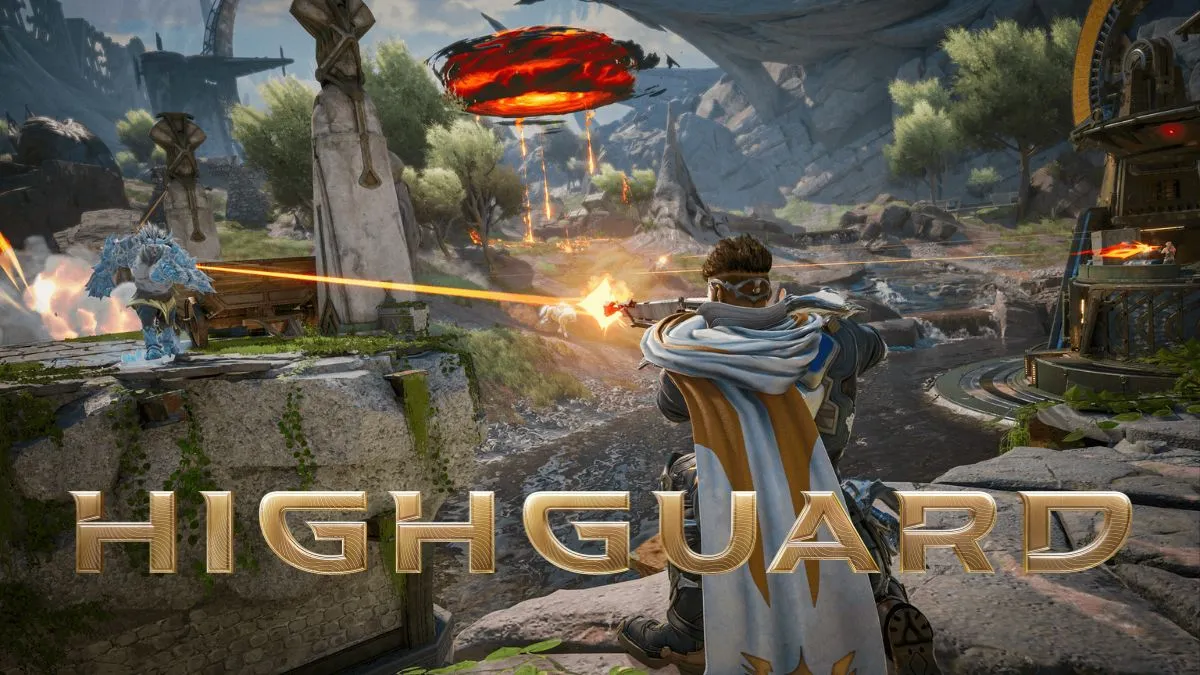
In just days after its release, a storm brews around Highguard. While players anticipated a triumph, they were met instead with disappointment and silence. Now, stark headlines report massive layoffs at Wildlight, leaving the future of this new hero shooter teetering on the brink.
Highguard’s turbulent journey began before its official launch. Trusted developers, known for their work on Titanfall, promised a revolutionary take on the hero shooter genre. But the reality fell short, leading to just 16 days of player engagement post-launch before revealing layoffs that echoed through the gaming community.
Highguard’s Uncertain Path Following Layoffs
The unsettling news of layoffs at Wildlight came to light thanks to Geoff Keighley, a staunch supporter of Highguard from its inception at the previous year’s Game Awards. His candid remarks on the situation signal the gravity of the downturn: “an unfortunate, brutal, and sad outcome for a game I enjoyed in early play tests.” Heartbreak lingers not only for the players but also for the talented team at Wildlight, illustrating how individual missteps can reverberate across the industry.
But what went wrong for Highguard? Many players point to inflated expectations. Positioned as the “one more thing” at the 2025 Game Awards, anticipation soared—only to be met with significant shortcomings. The game’s 3v3 raid format failed to resonate, leaving players grappling with vast maps that felt more like an empty canvas than an exhilarating battleground.
Constant comparisons to another title, Concord, further fueled discontent. Players branded Highguard as another generic entry in an overcrowded market. These expectations led to a cascade of criticism, painting the game as a missed opportunity rather than an evolution of its genre.
Will Highguard be able to recover from this setback?
To counteract the backlash, Wildlight introduced a Highguard 5v5 mode, yet player engagement lingered stubbornly below 2,000 concurrent users. The layoffs placed an ominous shadow over Wildlight’s development roadmap, leaving players questioning whether future updates remain feasible or if the title is destined for a quiet fade into maintenance mode.
This unfortunate turn of events sheds light on the precarious balance within the gaming industry. While Highguard showed potential, its lackluster launch and insufficient marketing led to its current plight. Now, we stand at a crossroads, watching fervently as the future of Highguard hangs in the balance. Can Wildlight rise from the ashes, or will this chapter close for good?
What are your thoughts on Highguard’s future? Will Wildlight Entertainment reclaim its footing, or have we witnessed the end of this promising venture? Share your insights in the comments below!