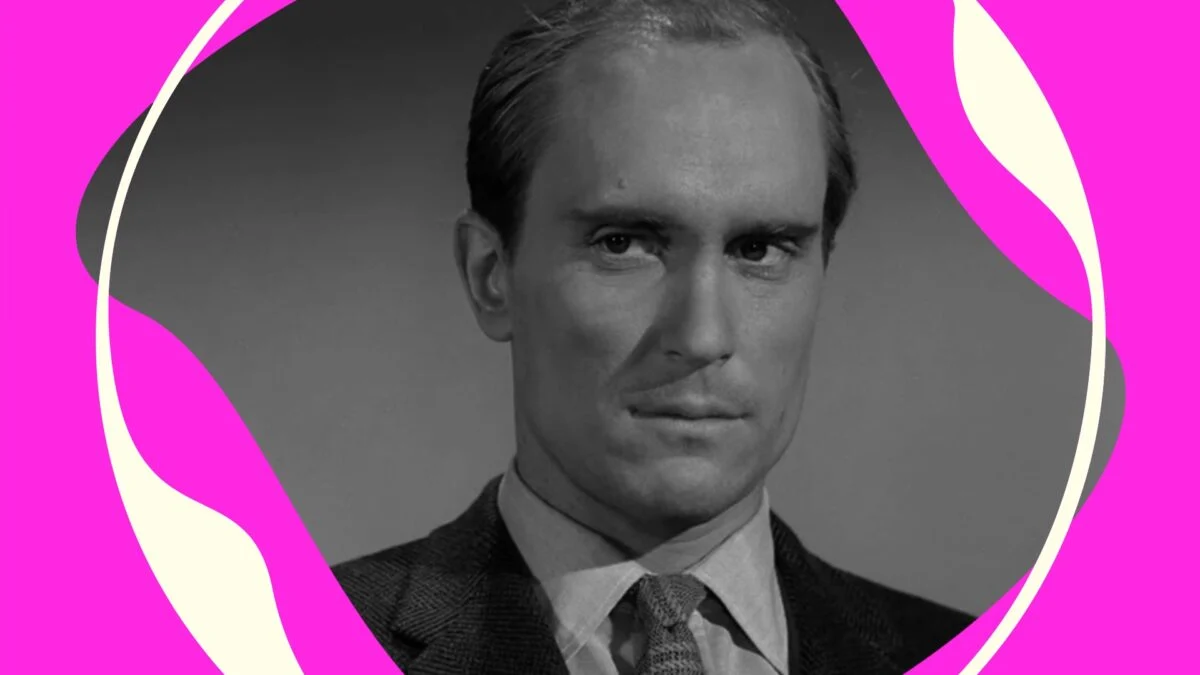
I found myself watching Robert Duvall’s Charley Parkes in a museum window and realizing I’d been complicit in his exile. The room felt smaller with every frame; his loneliness pressed against the glass like a thumbprint. By the end, the comfort you assumed was safety flips into something almost feral.
On a museum lunch break I watched a tiny woman play the piano and understood why Charley stayed.
You probably know Duvall from To Kill a Mockingbird or the three-ring circus of The Godfather, but his turn in Rod Serling’s The Twilight Zone—season four, episode eight, “Miniature”—is a compact lesson in empathy. I say lesson because he doesn’t ask you to feel sorry for Charley; he invites you to inhabit him. The performance arrives with the patience of a stage actor and the subtlety of a camera that refuses to blink.

The office, the mother’s house, and the set-up date are all ordinary; they make his difference feel louder.
At first Charley seems like an eccentric with gentle tics: competent at work, tolerated by family, pushed toward normality by people who mean well. His sister arranges dates; his boyfriend-ally offers a job. Those gestures are ordinary, which is why they ring truthful. They also reveal the episode’s central friction—how much of our compassion is performance and how much is comprehension.
What episode of The Twilight Zone did Robert Duvall appear in?
You’ll find Duvall in “Miniature,” written by Charles Beaumont and directed with Serling’s moral compass at the helm. Beaumont’s script hands Duvall a rare object: a role that trusts silence as much as speech. The result is a portrait of a man whose interior life makes the outside world look brittle.

The dollhouse is a private theater, every movement a confession played for an audience of one.
I remember the security guard’s small acts of restraint as if they were a moral weather report.
You see the guard’s patience erode in increments—first curiosity, then concern, then weary protection. Rod Serling’s voiceover lands with judicial calm: the guard knows what others will say, and he knows they’ll be right. That line is the episode’s quiet verdict on judgment and mercy, and it lets Duvall’s Charley collapse into the only home he can claim.
Where can I stream “Miniature”?
All five original seasons of The Twilight Zone are currently available on Tubi and Paramount+. If you catalogue performances on IMDb or consult TCM for context, you’ll see how this episode sits between Duvall’s early stage work and the larger screen roles he later took in films such as Apocalypse Now. Streaming makes rediscovery easy—so you can watch, pause, and watch again to catch the small gestures that make the episode hum.

Watching Duvall in his twenties gives you a sense that acting is a resource you carry across decades.
I’ve followed actors whose early work is a hint and whose later work is the answer; Duvall’s career is the opposite—his early hints become answers. The role of Charley Parkes anticipates the oddness he later folded into Kilgore in Apocalypse Now and the offhand menace of his cameo in Invasion of the Body Snatchers. He could take a small, eccentric pulse and make it register as a human heartbeat.
Charley is a compass with a broken needle, pointing only at the one small world he understands.
What character did Robert Duvall play in The Twilight Zone?
He is Charley Parkes, an office worker whose empathy is directed inward and toward a miniature woman he loves silently. The narrative doesn’t sensationalize his obsession; it humanizes it. That’s where Duvall’s authority as an actor—his ability to make the private feel necessary—matters most.
If you return to “Miniature” you’ll notice the episode’s economy: Beaumont’s script, Serling’s framing, and Duvall’s choices compress decades of social discomfort into twenty-five minutes. You’ll also see how television can give an actor room to experiment between stage and film roles, and why a single TV performance can ripple across a lifetime of work.
When an actor of Duvall’s magnitude dies, we inventory the big titles first, but small, strange pieces like “Miniature” are where you find his generosity—would you argue that those short broadcasts change how we remember a legend?