
I read the memo at 9:07 a.m.; my coffee went cold. Within an hour, devs were texting each other in a steady, stunned stream. By midday, PlayStation had announced the closure of Bluepoint Games and the industry felt a little smaller.
I’ve covered studios for years, and you should know what this feels like: a familiar light going out. I’ll walk you through what happened, why Sony says it did, and what it means for the people and projects you care about.
On the ground, people noticed silence in the studio before the public statement — A brief timeline and the decision
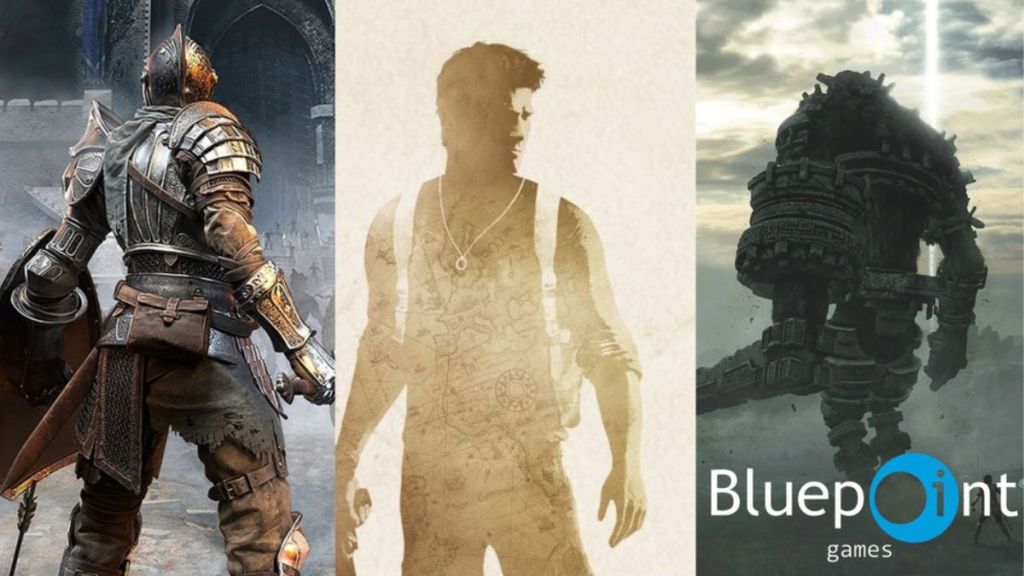
You probably saw the headlines: Sony is closing Bluepoint Games in March after a business review by PlayStation Studios. I’m naming names because names matter — Bluepoint, the Austin-based studio acquired by Sony Interactive Entertainment in 2021, built celebrated remakes like Demon’s Souls and Shadow of the Colossus, and remasters for classics tied closely to PlayStation’s brand.
SIE CEO Hermen Hulst framed the move as a response to “an increasingly challenging industry environment,” citing higher development costs, slowing growth, shifting player behavior, and economic pressure. The company thanked Bluepoint for its technical craftsmanship, but the practical result was sudden: roughly 70 employees will lose their positions.
In corridor conversations I heard rumors before the memo — What Bluepoint was working on and what was canceled
People inside the industry had been whispering about a God of War live-service project that Bluepoint reportedly worked on after joining Sony’s multiplayer push. That initiative has been described in public reports as expensive and strategically risky. When that multiplayer title was canceled, Sony initially said the studio would remain open; the closure shows how fast plans can reverse.
Bluepoint was also believed to be exploring an original single-player project after the live-service cancelation. You should care because these were not small prototypes — this was a developer with a sterling reputation suddenly without a home.
Why did PlayStation shut down Bluepoint Games?
Short answer: Sony points to a tougher market and mounting costs. Hulst’s public remarks place Bluepoint’s closure inside a portfolio-level strategy across PlayStation Studios: if building games is getting more expensive and player behaviors are shifting, executives make hard calls on where to allocate budget and headcount. I’ll be blunt — that business logic is cold comfort to the people who lose paychecks.
On social feeds and at studios, the reaction was immediate — Broader industry signals and what this closure signals for PlayStation
When a studio known for faithful remakes closes, it’s not just a single company’s loss; it’s a market signal. I watched forums and feeds fill with outrage and disbelief — Bluepoint had a near-perfect record for reviving PlayStation classics. That reputation is why this hit so hard.
PlayStation’s move echoes other shifts inside the platform world: publishers like Sony have been experimenting with live-service models and multiplayer programs. Those bets carry big price tags and variable returns. If one of the groups trusted to make that bet work gets cut, you should expect similar portfolio pruning across the industry.
What games did Bluepoint make?
Bluepoint’s resume reads like a modern PlayStation greatest-hits album: full remakes and remasters of Demon’s Souls, Shadow of the Colossus, and reworks of classics tied to franchises like God of War, Uncharted, and Gravity Rush. Their work was often celebrated for technical fidelity and respect for the originals — a rare combination that made them a go-to partner for Sony.
At coffee shops near studios I heard the same concern — The human and studio-level fallout
This is a people story as much as a business story. About 70 roles are affected, and you should expect a scramble: recruiters at other studios will rush in, indie teams will try to hire senior engineers, and PlayStation’s internal teams will absorb knowledge gaps. I’ll warn you: layoffs like this often trigger cascading uncertainty at sibling studios — Bend Studio, another PlayStation team that had a canceled live-service project, is now watched more closely than before.
The loss is also cultural. Bluepoint operated like a craft workshop inside a corporate house, and losing that workshop is like a lighthouse extinguished overnight — you don’t just lose a service, you lose a directional signal for a generation of remakes.
Will Bluepoint’s closure affect PlayStation remakes and studios?
Yes, in practical terms. Bluepoint was a specialist partner for Sony’s conservation of older IP. Without that team, PlayStation will need to redistribute those responsibilities to other in-house teams or external partners. For players who prize high-quality remasters, that introduces uncertainty about who will shepherd those projects next.
Outside the press releases, recruiters and competitors are already moving — What I expect next
Recruiters will circulate CVs, and competing publishers will quietly ask former Bluepoint leads about freelance or full-time roles. Sony will reassign some internal projects and likely increase partnerships with external studios. I don’t expect every canceled-project veteran will be absorbed; the market is tight.
For you as a player or industry watcher, this is a reminder that studio reputation and corporate strategy don’t always protect talent from business cycles. The closure is a warning sign — a canary in the coal mine for studios that depended on predictable remaster work rather than building varied revenue streams.
I’ll keep watching statements from Hermen Hulst and PlayStation Studios, and you should too: they’ll shape where IP and teams land next. For now, the question isn’t only who will replace Bluepoint’s output, but who will carry the craft forward in a market that’s changing under our feet — and what you think PlayStation should do about it?