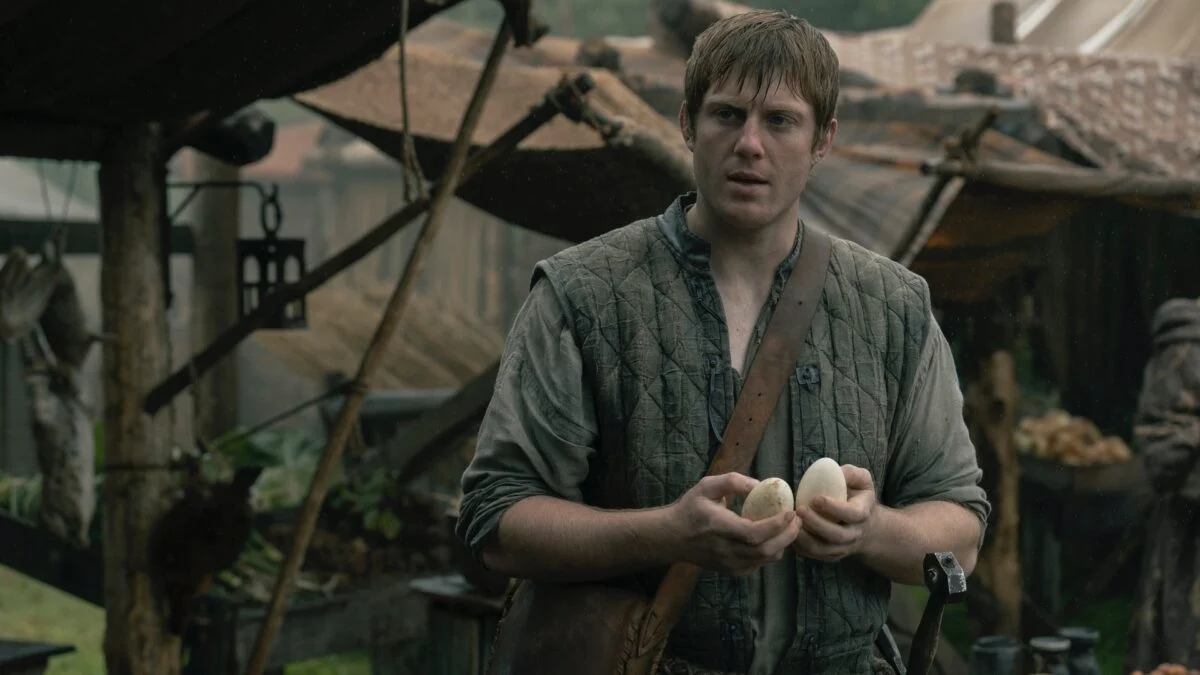
The bar went quiet when the credits rolled. I watched strangers trade the same look — surprised, satisfied, a little protective. Ratings rarely feel intimate, but tonight they did.
On a crowded screen, people paused — ‘A Knight of the Seven Kingdoms’ Is a Ratings Slam Dunk
I’ve been following TV ratings long enough to smell momentum, and this one smells different. HBO’s A Knight of the Seven Kingdoms is averaging nearly 13 million viewers per episode, a figure that sits above the current season average for HBO’s Emmy winner The Pitt, which is around 12 million. That gap matters: it tells you who’s talking, who’s staying, and who might be reshaping HBO Max’s playbook.
At my editor’s desk, the numbers became a story — why the audience shifted
You feel it as much as you see it: three-day viewership has climbed week to week for most episodes, ignoring the outlier that aired early around the Super Bowl. That steady growth is the kind of thing Casey Bloys pays attention to; it explains why HBO’s leadership is murmuring about letting smaller-scale, character-first projects sit alongside the big-budget spectacles. George R.R. Martin’s world has room for both types, and Dunk and Egg is proving a quieter approach can hit like a headline.
How many viewers is A Knight of the Seven Kingdoms getting?
Roughly 13 million viewers per episode on average, according to industry reporting. You don’t need to be a ratings nerd to see the implication: that number puts the show on pace to be one of the largest series debuts in HBO Max’s history, and it’s the kind of momentum that attracts attention from advertisers, awards voters, and churn-averse subscribers.
In coffee shops and comment threads, people named favorites — what it means for HBO
This is the moment when executives weigh appetite vs. ambition. A Knight of the Seven Kingdoms is in production for season two; no additional seasons are greenlit yet, but the sentiment inside HBO’s halls has shifted. The success gives the network leverage to greenlight other spin-offs or to double down on intimate stories instead of only chasing tentpole spectacles like House of the Dragon, which returns in June for season three and is scheduled to end after season four.
Is A Knight of the Seven Kingdoms beating The Pitt?
On average, yes — it’s been outpacing The Pitt by about a million viewers per episode in the current reporting window. That’s not just bragging rights; compared to an Emmy-winning drama, it signals a reallocation of cultural attention that HBO won’t ignore.
Outside the executive suite, fandoms traded takes — the audience is voting with attention
You can track opinion in forums, social apps, and streaming charts. When viewers choose to spend their evenings with Ser Dunk and Egg, they’re casting a vote for character work and tonal breadth inside Martin’s universe. Think of the show as a small-diameter pipe suddenly carrying the pressure of a larger system — unexpected, efficient, and revealing of where the leaks in assumptions were.
That efficiency is partly why industry voices like Variety flagged the series as “on pace to be the third biggest series debut in HBO Max history.” It also explains why some planned spin-offs are quietly moving higher on the priority list: success has a contagious logic, and HBO will follow the data where the audience already went.
Will House of the Dragon benefit from this?
Short answer: probably. Some viewers who discovered George R.R. Martin’s work through Dunk and Egg could migrate back to House of the Dragon, and others who drifted away after season two may return out of renewed interest in the franchise. Expect a lift, but not a reset — the audiences overlap but aren’t identical.
At awards season parties, people whispered about scale and storytelling — what creators should take from this
I tell writers and producers the same thing I tell readers: attention is a currency you earn episode by episode. A Knight of the Seven Kingdoms has been operating like a precision watch, not a circus tent — every scene earns trust. The result: a ratings story that reads like an argument for balanced programming, one that pairs spectacle with small, fierce narratives. It spread through fandom like spilled ink, staining expectations and creating new demand.
So where does that leave you—the viewer, the fan, the person who likes good TV? If you’re choosing what to watch, you’re also choosing what kinds of shows get made. That makes your evening decisions louder than you think. Which side of the screen will you champion next?