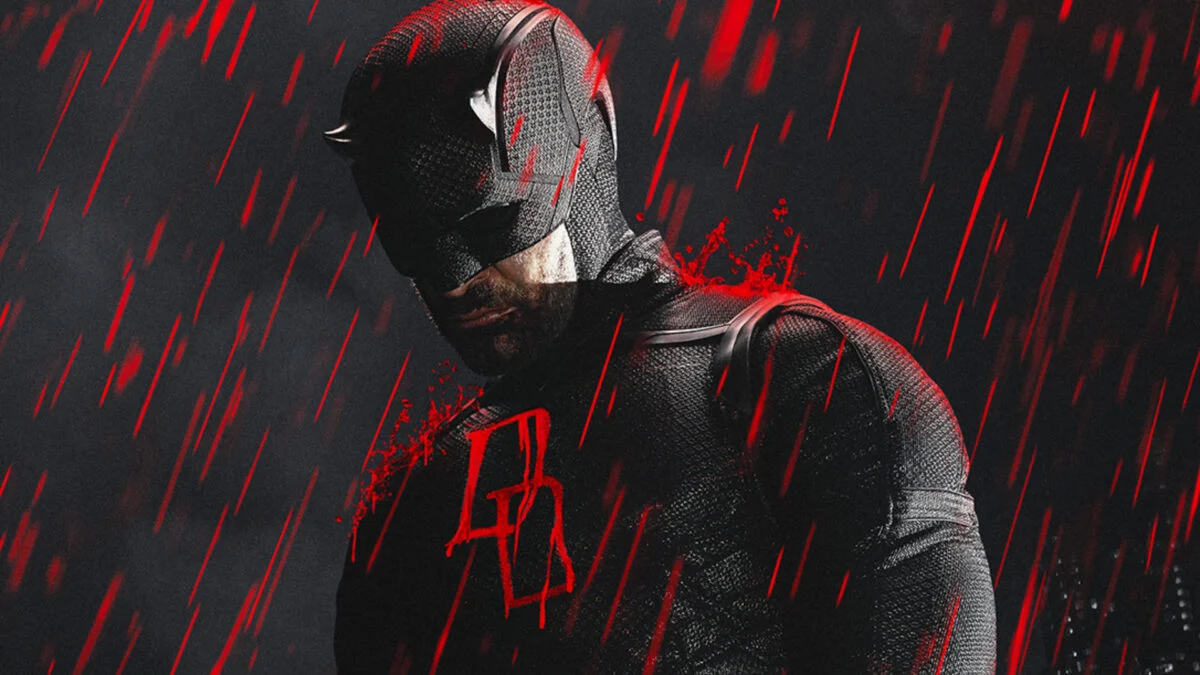
A blackout eats the skyline and for a minute the show and the newsfeed are the same thing. I remember sitting there, phone off, thinking: this scene could have been shot from last week’s footage. You feel the fiction blur — and then the writers push forward.
I watch Daredevil: Born Again the way I test a theory: skeptical, alert, and with a notebook open. You should know I’m not accusing the show of opportunism; I’m saying its timing makes the stakes personal. Showrunner Dario Scardapane told SFX Magazine via GamesRadar that some sequences feel lifted from the headlines, and he’s intentionally pulling back toward the Frank Miller-era grit once Mayor Fisk’s arc ends.
At a bar, strangers argued about whether art should reflect the headlines.
That argument is the exact one playing out inside the writers’ room. Scardapane admits the show grabbed the current pulse — protests, blackouts, police confrontations — and folded it into a Marvel-sized morality play. I respect the pull: political energy gives the violence shape; it makes a citywide power cut feel less like spectacle and more like consequence. But Scardapane also says too much of that real-world weight blunts the mythic archetypes he loves, and I can see the tug-of-war on screen.
Is Daredevil: Born Again political?
Short answer: yes, and not always by design. The show places Matt Murdock and Wilson Fisk against civic structures — policing, governance, and commerce — so political themes emerge naturally. You’ll see Mayor Fisk building an anti-vigilante task force and plotting to turn Red Hook into a profit engine. That’s storytelling that borrows tools from city hall and corporate strategy, and it’s meant to make you uncomfortable in the same way a mirror can make you squint.
Outside a screening, the crowd split between “this is brave” and “this is too real.”
That split is exactly why tone matters. Season one leaned into the spectacle of a Kingpin-run New York: campaign posters, a mayoral apparatus, and an on-screen surveillance state. By the end of season two, Scardapane signals, Fisk will be “off the board” so the show can return to its street-level instincts — the alleys, courts, and small delis where Frank Miller’s comics live. I take that as a promise of tighter, grittier episodes that favor moral ambiguity over headline mimicry.
Will Kingpin be gone after season 2?
Scardapane’s comments suggest yes. Vincent D’Onofrio’s Kingpin has been the axis of the series’ political turn: public-facing reform, private consolidation of power, and an anti-hero hunt. Removing Fisk opens the door for the series to pivot back toward the legal and physical battles that defined earlier iterations on platforms like Disney+ and in the comics industry. If you liked the brawls and moral clarity of Frank Miller’s storytelling, that shift will feel familiar.
I want you to watch with the awareness of a critic and the hunger of a fan. The show will keep pulling from current events because that tension sells episodes and sparks debate, but Scardapane is steering toward stories that live under the streetlights instead of headlines. For me, the risk is rewarding: when fiction borrows from the news it can either become a sermon or a map; I prefer the latter, a pressure cooker that reveals what people will do when systems fail.
If you’re tracking the season drop, Daredevil: Born Again returns on March 24 — plan your viewing accordingly and expect the conversation to keep spilling off-screen into real-world arguments. Who do you think the city will blame next?