
I was mid-argument with a friend when they dropped the line: “Which DBZ movies actually belong in the story?” I felt the room tilt — decades of episodes, timelines, and fan theory blinked across my mind like a power meter about to explode. You want a clean answer, not noise, so I put the canon under a microscope.
Dragon Ball Z: Every Movie That Is Canon to the Main Story
At conventions, YouTube comment threads, and Discord servers, the same four titles keep resurfacing as the films that matter to the saga.
I’ll cut through the arguing and give you a clear map of which theatrical releases carry weight in the official narrative, why Toriyama’s involvement matters, and where streaming platforms like Crunchyroll, Netflix, Hulu, and Prime Video fit into the viewing order.
Dragon Ball Z Canon Movies
On streaming services the canon entries are the ones that actually affect character arcs and later series beats — not just flashy side stories.
| Movie | Details |
|---|---|
| Dragon Ball Z: Battle of Gods | Release Date: March 30, 2013 Runtime: 1 Hour 45 Minutes Streaming Platform: Netflix, Crunchyroll |
| Dragon Ball Z: Resurrection ‘F’ | Release Date: April 18, 2015 Runtime: 1 Hour 33 Minutes Streaming Platform: Crunchyroll |
| Dragon Ball Super: Broly | Release Date: December 14, 2018 Runtime: 1 Hour 40 Minutes Streaming Platform: Netflix, Crunchyroll, Hulu |
| Dragon Ball Super: Super Hero | Release Date: June 11, 2022 Runtime: 1 Hour 40 Minutes Streaming Platform: Prime Video, Crunchyroll |
Dragon Ball Z Movies That Are Canon
At the box office and on official guides, the films that carry Toriyama’s fingerprints are treated as part of the living script — they alter relationships, origin tales, and sometimes future plotlines.
I’ll walk you through each title that actually moves the main story forward and explain why Toei Animation and Akira Toriyama’s stamp matters more than flashy fight scenes.
Dragon Ball Z: Battle of Gods
I remember the first time fans heard about Beerus — it was a coffee-shop argument starter that quickly became mainstream conversation.
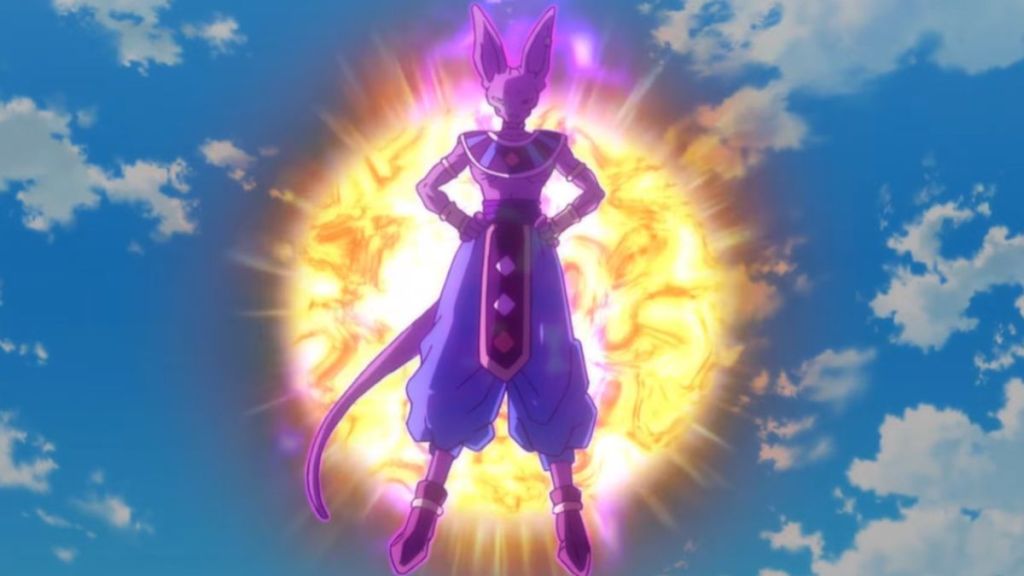
This film is the first modern pivot: Toriyama supervised the story, and Beerus plus Whis arrive to reframe the power scale after the Kid Buu arc. Goku achieves the Super Saiyan God form but still loses — which tells you, plainly, that the universe just got bigger and the old metrics don’t work anymore.
Canon status here matters because future series and toy lines (Bandai Namco among them) treat Beerus as part of the timeline, not a one-off spectacle.
Dragon Ball Z: Resurrection ‘F’
I sat in a screening where half the room cheered the first sight of Golden Frieza — the applause said more about continuity than spectacle.
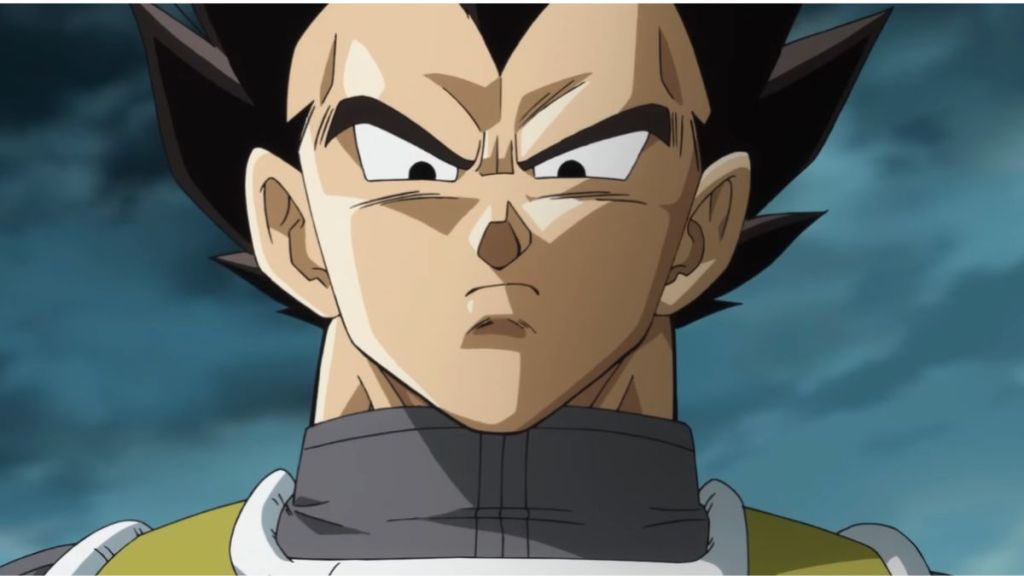
Toriyama wrote the screenplay and Frieza’s resurrection directly sets up the Super Saiyan Blue escalation — this film isn’t a detour; it’s the next beat. If you’re watching on Crunchyroll, you’re seeing the film that explains why Goku and Vegeta push into god-tier transformations.
Think of it as a calibration: Resurrection ‘F’ repositions old rivalries so later arcs feel earned, not tacked-on.
Dragon Ball Super: Broly
I’ve seen Broly fandom change from fringe obsession to core-series acceptance in a single theatrical run.
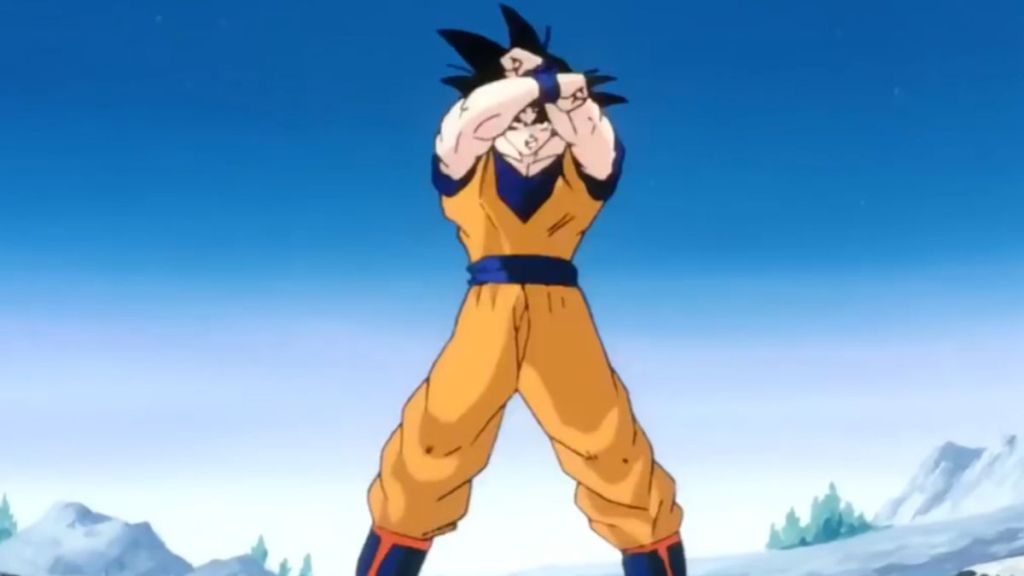
Broly’s reintroduction rewrites Saiyan origin notes and folds him into the cast as a living thread tied to Goku and Vegeta’s past. Franchise gatekeepers at Toei and Toriyama made this one count, and the film’s consequences show up in later merchandising, video games, and official character bios.
This retcon landed like a hammer re-forging a sword: it reshaped a familiar piece of lore and made Broly part of the ongoing story instead of an outcast spectacle.
Dragon Ball Super: Super Hero
I noticed families and long-time fans discussing Gohan and Piccolo more than Goku during promotional screenings — that shift is meaningful.
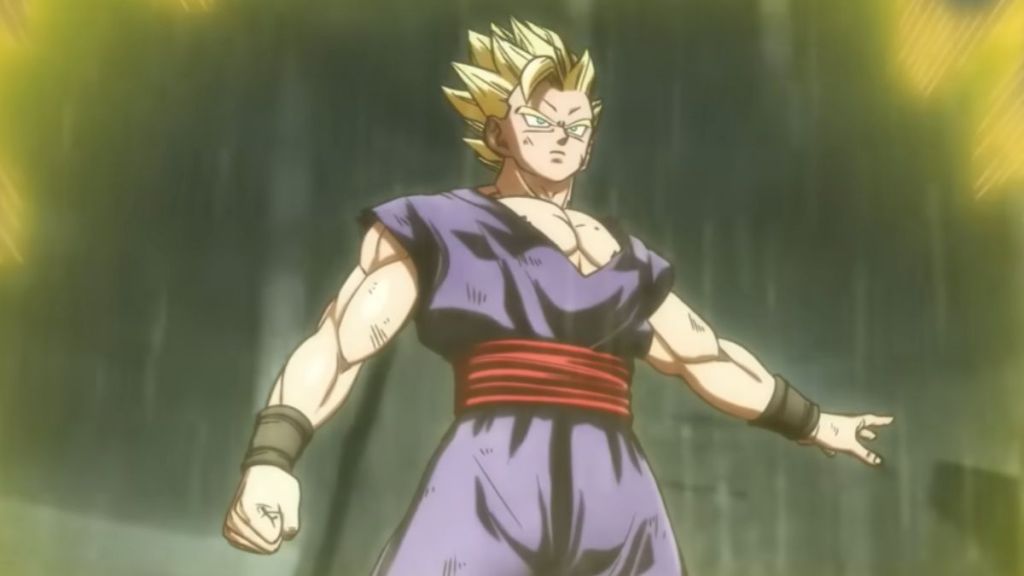
This movie shifts focus away from Goku and Vegeta and hands the story to Piccolo and Gohan, giving both meaningful upgrades and new forms that are referenced later in the license ecosystem. If you track official timelines or consult Toriyama’s notes, Super Hero is treated as part of the Super continuity — not an optional side story.
Which Dragon Ball movies are considered canon to the main story?
The short answer you can use in chat threads: Battle of Gods, Resurrection ‘F’, Dragon Ball Super: Broly, and Dragon Ball Super: Super Hero. These four bear Toriyama’s influence or are explicitly folded into the Super timeline by Toei and downstream partners like Bandai Namco and Funimation-era catalogs.
Is Broly canon in Dragon Ball Z?
Broly is canon to the modern Dragon Ball continuity via Dragon Ball Super: Broly. The character’s classic films from the 1990s are non-canon; the 2018 Broly film is the official origin that merges him into the Super-era storyline and merchandising roadmap.
Are Dragon Ball Z movies part of the main story or standalone?
Most older DBZ theatrical releases are standalone; the ones listed above are exceptions because they change character arcs or are created with Toriyama’s oversight. If you care about narrative impact, watch the four canon films alongside the Super episodes on platforms like Crunchyroll or Netflix for the clearest throughline.
The canon list is small but powerful — like a single lighthouse in a crowded archipelago, it guides which films alter character histories and future plotlines. If you rewatch the series with those four films threaded in, you will see how later arcs, toys, and games reference them directly. Which of these movies changed the way you read the entire saga?