
You drop into the extraction zone and there’s nothing but polite nods where gunfire used to be. I watched a squad pass with no spark of hostility — no prize to fight for. The map hummed, functional but oddly calmer.
I’ve been tracking ARC Raiders since launch, and if you play it you already know the tension: will that rooftop firefight cost you your hard-won gear, or will you extract with a grin? The developer behind the game removed PvP Feats in the latest patch notes, and that single change has shifted the invisible contract between players. What used to be daily friction—fight or flight, steal or protect—now feels optional.
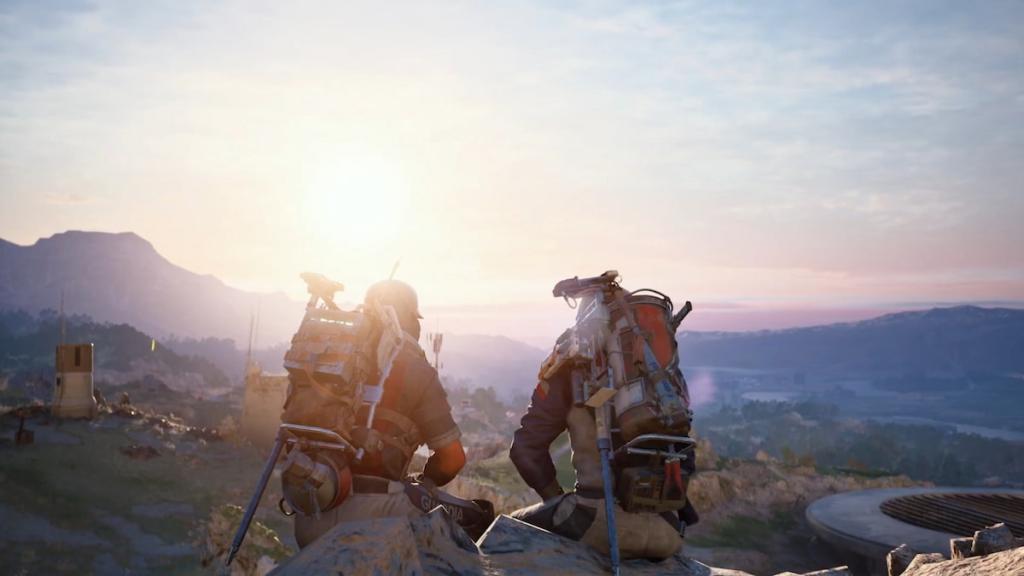
In chat rooms I keep seeing the same complaint: incentives vanished.
Players on X and Discord pointed at the patch notes and called it a surrender of PvP momentum. The removed PvP Feats were not cosmetic fluff — they were daily reasons to hunt other players, to risk a rooftop duel for a shot at Raider Deck progression and earned cosmetics. Without that carrot, attackers are forced to fight solely for sport, and a lot of players don’t find that motivating.
Why are ARC Raiders players upset with the latest update?
You can sum it up simply: reward design matters. When you take away measurable progression tied to PvP, the social contract changes. Some squads still seek conflict — for the thrill, for reputation — but many players respond to design signals. The studio’s telemetry apparently favors cooperative play, and the result is an influx of calmer runs and fewer contested extractions.
I’ve watched raids turn from tense scrambles into methodical loot runs.
That shift doesn’t mean the game lost its combat; it means the math behind conflict changed. The extraction loop still allows stealing gear — that core mechanic hasn’t disappeared — but the daily grind that pushed players to seek one another has been weakened. A match that used to feel like a provocation now feels like a scheduling choice.
It’s a little like a chessboard missing half the pieces. The spatial arguments remain, but the incentives that made strategic sacrifice worth it are reduced.
Is ARC Raiders now PvE-only?
No. You can still engage, ambush, and take another player’s haul. But the behavioral baseline has shifted toward PvE cooperation. I don’t accept the “PvE-only” label; I do accept that the equilibrium is drifting. When the studio removes systems that rewarded aggression, they reweighted the experience toward teams that prefer coordinated objectives over player hunting.
On forums, the contrast with Bungie’s upcoming shooter is already a storyline.
Players keep mentioning Bungie and Marathon — drawn to its promise of heavy PvP focus and the pedigree of Halo and Destiny. There’s chatter that PvP-first players will migrate to a title built around confrontation, while slower-paced players stay put. I see two forces at work: design nudges and player taste. Both are measurable in session length, report threads, and the communities that form around modes.
Will PvP fans switch to Marathon?
Some will. Social gravity is real: players flock where the rules reward their playstyle. If Marathon ships with more explicit PvP progression and visible status, it will attract those who want meaningful risk and visible payoffs. But games are ecosystems — not every competitive player will move, and not every marathon match will scratch the same itch.
At the community level, small choices compound into big feelings.
I’ve spoken to streamers who say viewer engagement drops when open conflict vanishes; I’ve watched clan leaders reorganize their schedules around co-op sorties instead of ambush runs. That’s a soft, cultural change, but it’s durable. When daily rituals alter, so do the incentives to log in.
It’s also why messaging matters. The studio’s patch notes read like a code change, but players read them as priorities. One sentence in a developer log can feel like a policy shift, and collections of small shifts create a migration path.
There are two metaphors left in the tank: one is an empty menu at a dive bar where the special was the only reason people crowded the place; the other is a street where the neon sign turned from “All Welcome” to “Quiet Hours.”
Where this goes next is practical: if you’re a PvP-first player, you’ll watch patches and community sentiment. If you’re a PvE-first player, the calmer loops are a welcome change. For me, the most interesting question is how studios balance the social contract that drives emergent conflict versus cooperative spectacle.
So tell me — will you grind for confrontation in ARC Raiders, ride the calmer rails, or pick a fight in Marathon when it arrives?