
We were pinned behind a skeletal overpass when the wind turned. Debris spidered across the skyline and my teammate’s shield flared out like a stopwatch counting down. That single raid taught me the Hurricane in Shrouded Sky doesn’t punish mistakes — it magnifies them.
I write this as someone who has restarted raids after a single gust cost us the objective. You will read short, practical tactics you can test in your next run, and I will tell you when to fight and when to run. Keep your rotations sharp; the map now reads more like weather charts than a corridor shooter.
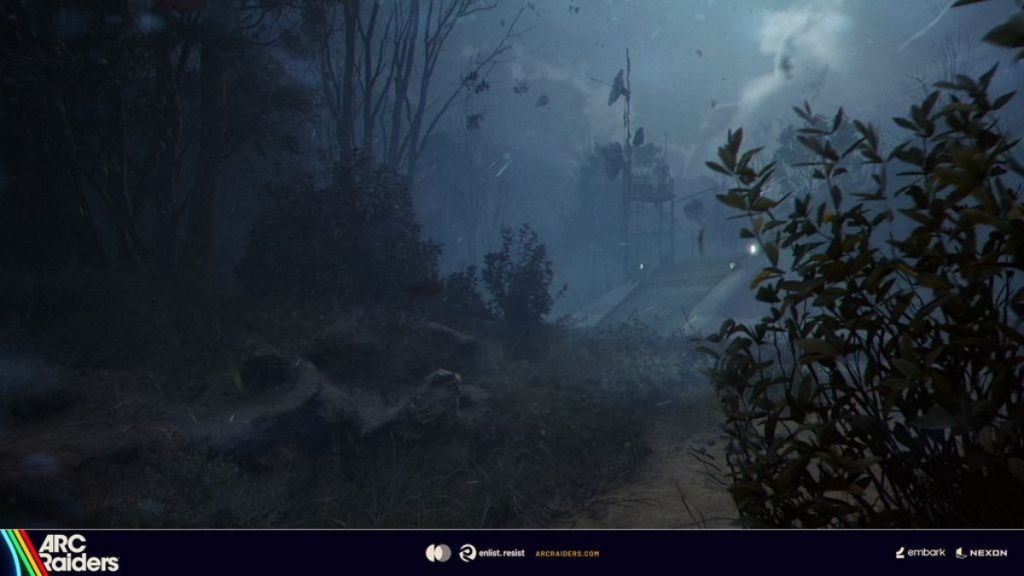
On my first match the wind pushed a grenade off target and cost a flank. How Does the Hurricane Work in Arc Raiders Shrouded Sky?
The Hurricane is not cosmetic weather. It injects vector-based wind physics into every movement and projectile. Wind applies physical force to your Raider: it alters sprint speed, shortens or lengthens jump arcs, and bends grenades and gadgets away from their intended path.
The Hurricane is a freight train tearing through the map. That means direction matters more than raw aim—tailwinds shift you forward, headwinds slow you and chew through stamina, and crosswinds will yank your trajectory sideways.
Visibility drops hard. Dust and debris spark against shields, causing intermittent shield failures and shorting out visual cues. Those sparks pull attention; if you think of stealth as an option, treat a sparking shield as an open signal to other players and AI.
How does the Hurricane affect movement in Arc Raiders?
You feel the effect immediately: run with tailwinds and you move faster than normal, run into headwinds and your speed collapses. Jump distances change enough that cover you would normally clear becomes unreachable. Your stamina bar drains quicker when you push against the wind, so plan escape routes that follow the gusts rather than fight them.
How do wind vectors change gadgets and grenades?
Every thrown item is altered. Grenades arc, drones drift, and throwable utilities can end up several meters off. Practice in a windy arena to relearn ranges; don’t assume the arc on a calm day applies during a Hurricane.
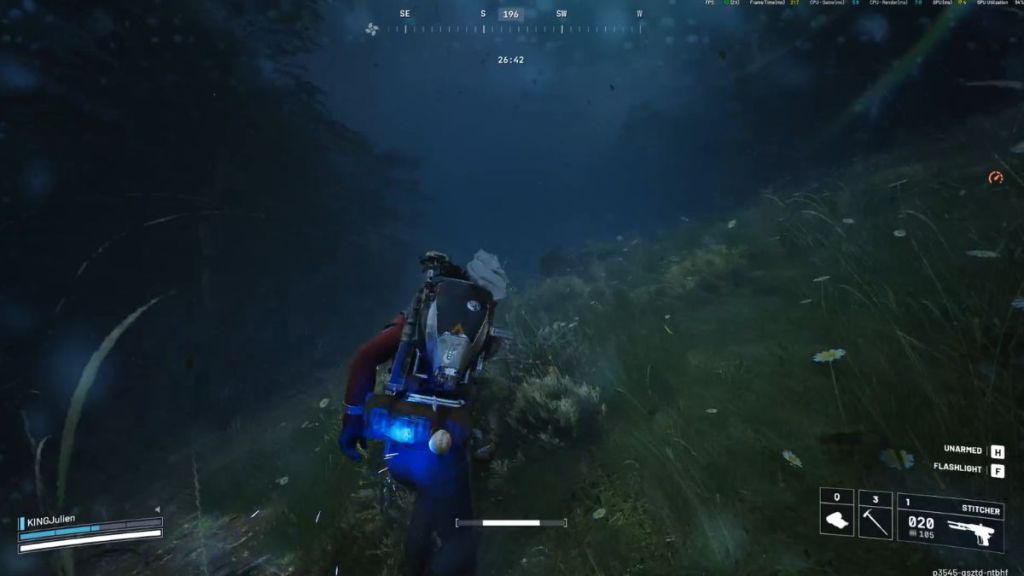
On our second attempt we swapped shields and called a medic before the wind hit. How to Survive the Hurricane in Arc Raiders
You must change the way you plan rotations. Read the gusts on the move: choose paths that ride the wind when you need speed and hug heavy cover when you need safety. Never commit to a long push into a headwind unless you have a backup route that follows the gust direction.
Light or medium shields are the practical choice now. Heavy shields can look tempting, but they draw attention and the Hurricane shreds large shields faster. Run the smaller shield to keep mobility and reduce the chance your shield becomes the loudest signal on the map.
What shield should I run during a Hurricane?
Run light or medium unless your role demands otherwise. If you play a sustained-tank role, bring healing support to offset the faster shield decay. The new Surgeon Deck is built for moments like this—if your team can field one, your survivability rises dramatically.
How should I change my throwables and utilities for strong winds?
Practice throws under windy conditions. Frag grenades remain reliable because they deal direct damage; smoke and gas have reduced utility when the wind disperses them. Consider trading long-duration utilities for instant-impact items.
Always prioritize hard cover when the gusts start. Buildings, wreckage, and dense terrain block wind vectors and stabilize your movement. If you get caught in the open, find the nearest heavy obstruction and hold until the wind shifts or your team can push with a tailwind.
Use platform tools to prepare: test angles on Steam’s practice range, consult the official Discord for recent patch notes, and check platform patch logs on PlayStation or Xbox if you suspect the developer tweaked wind values. Patching and balance changes arrive in platform notes faster than forum threads; I check them before I queue.
Your sparking shield becomes a neon billboard for enemies. That means you should avoid showing off shield flares in exposed zones; the same flashing that signals damage also marks your location on enemy HUDs and attracts focused fire.
Play with team roles focused on mobility and support. A single medic, whether from the Surgeon Deck or standard healer builds, can turn a losing raid into a salvageable run. Callouts matter more than ever: announce wind direction, tag escape corridors, and keep velocity-friendly angles for retreats.
Will you take the Hurricane head-on, kite the map, or try a stealthy run and hope the wind spares you?