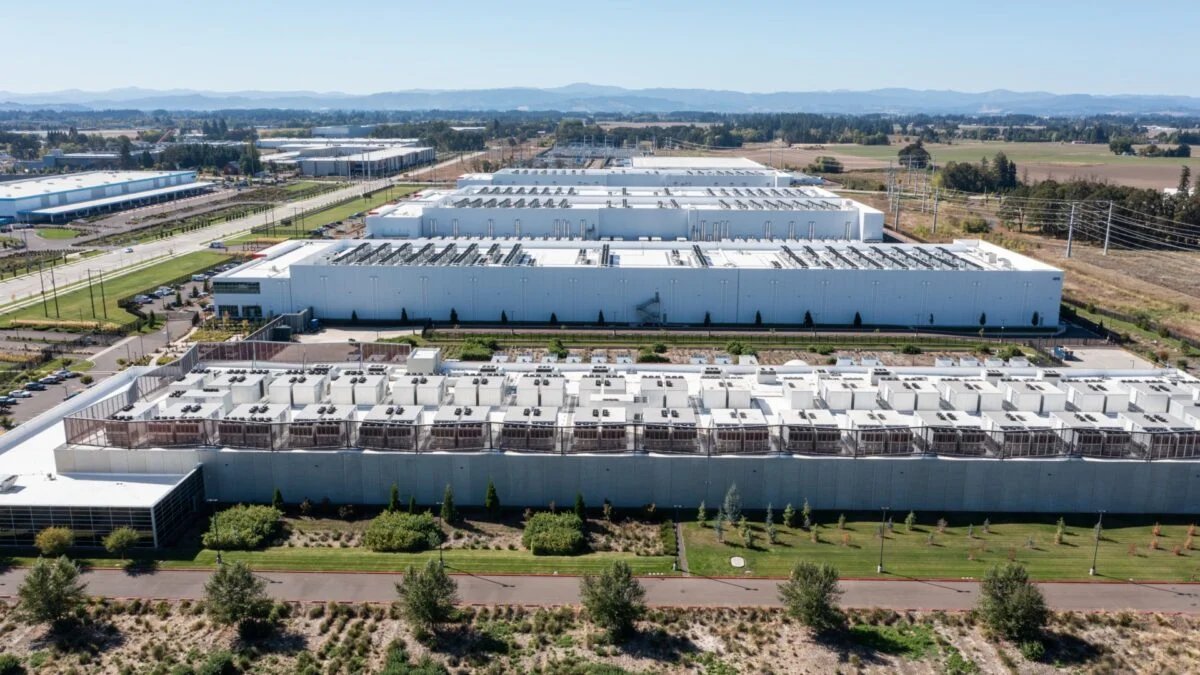
I stood at a neighborhood meeting as a contractor flipped off a bank of idling fans and a woman in the back whispered that her water bills had climbed. You could feel the room tilt between anger and relief. When Mayor Mike Johnston announced a temporary moratorium, that three-word pause felt like the first public crack in a fast-moving story.
At a Denver neighborhood meeting, a single handwritten flyer changed the tone: Denver Announces Data Center Moratorium as Opposition Picks Up Steam Around the Country
I’ll be blunt: this pause is the rare moment when city policy catches up to a physical change in the landscape you can see and hear. Mayor Mike Johnston framed it plainly: “This pause allows us to put clear and consistent guardrails in place while protecting our most precious resources and preserving our quality of life.” You’ll hear “several months” if the city council approves the ordinance; you’ll also hear neighbors and climate experts ask for measurable commitments on land, energy, water, zoning and affordability.
On a winter street where a data center was planned, residents noticed water trucks and extra transformers
Neighbors are not complaining about technology in the abstract. They point to real costs: strained local water supplies, sudden spikes in household power bills, and diesel trucks rolling to sites at night. The New York Times and Bloomberg have traced similar patterns elsewhere, and local activists pushed a letter to Congress late last year asking for a federal moratorium.
UC Santa Barbara professor Eric Masanet told a House subcommittee that the sector hides key information: energy and water use data are sparse, often stale, and construction needs are frequently wrapped in NDAs. California Rep. Zoe Lofgren pressed the same point: if you can’t see the inputs, you can’t make good public policy.
What does Denver’s moratorium mean for planned projects?
Short answer: projects pause. The city says it will use the time to write rules that make land and resource use transparent and to negotiate conditions that protect ratepayers and neighborhoods. If you’re an affected property owner or contractor, expect public hearings and new permitting conditions. If you’re a resident, expect the city to ask for measurable safeguards—because today’s promises on water and energy are the new currency of local trust.
Outside the state capitol, lawmakers are watching and drafting bills
State legislatures from New York to Virginia have placed moratorium ideas on the table; some propose multi-year halts. Sen. Bernie Sanders praised Denver’s move and renewed his call for a federal moratorium, saying this is a moment for wide public debate about who controls this industry. At the same time, the White House under the previous administration pushed an aggressive pro-AI posture, warning states away from restrictive regulation. That sets up a high-stakes legal and political clash you can already hear in court dockets and committee rooms.
Will the federal government block state moratoriums on data centers?
There’s no simple legal answer. Expect fights over federal preemption and national-security rhetoric from AI-friendly officials. You’ll hear companies and some federal actors argue that rapid build-out is essential for competitiveness with China; opponents will argue local environmental and social impacts deserve more weight. For now, Denver’s move is a localized test case of how far cities can go when they press pause.
At a public hearing, an expert held up a spreadsheet and said the data are missing
That moment—an expert pointing to blank columns where usage numbers should be—captures a structural problem Eric Masanet flagged: public data blind spots. If operators don’t disclose real-time energy and water figures, policy is built on guesswork. OpenAI, major cloud providers, and hyperscalers are racing for capacity; some of that demand is visible in court filings and trade reports, some of it is private. You and I are left to weigh promises against the only thing that matters to most voters: bills and local services that work.
Data centers are giant industrial refrigerators in the middle of neighborhoods—efficient at cooling machines but costly for shared water and power systems. That literal image is why people who lived next to plants now ask why the same scrutiny isn’t applied to data as it is to factories and power plants.
How do data centers affect local water and power bills?
They can increase system demand and change the economics for utilities and ratepayers. Reports in 2025 linked nearby facilities to water shortages and electricity-price effects; utilities sometimes favor gas-fired peaker plants because they’re cheaper in the short run, which can raise carbon footprints. You’ll want transparent utility studies and binding mitigation plans—those are the objects of the pause Denver announced.
In a city council chamber, a mother held her child and asked who is accountable
That question—who is accountable—drives the rest of this story. Politicians pushing moratoriums are not necessarily anti-technology. They argue for time to collect reliable data and to set public rules about where and how data centers can be built. You’ll hear industry leaders say delays harm investment; you’ll hear activists say rapid approvals are costing communities utility stability and clean air.
The policy pause functions as a pressure valve: it gives officials room to write standards and for residents to demand enforceable promises rather than private assurances.
At the crosswalk outside City Hall, the next fights are already forming
If you follow the thread—local meetings, expert testimony, state bills—you see momentum on multiple fronts. Companies like Meta and infrastructure players such as NVIDIA and major cloud providers will remain central in the debate, just as publications from The Colorado Sun to The New York Times have shaped public perception. That mix of business, politics, and neighborhood experience is rare and combustible.
I’ll tell you what I’m watching: whether cities pile up specific, auditable rules on water and energy use; whether states adopt multi-year pauses; and whether national actors try to preempt local authority. If regulators win transparency, the industry will face hard choices about location and fuel sources. If they don’t, communities will keep pushing, and courts may decide the balance.
What now? You can attend council hearings, read proposed ordinances on DenverGov, and follow testimony from experts like Eric Masanet or statements from Rep. Zoe Lofgren and Sen. Bernie Sanders. Pay attention to utility filings and to where companies propose new sites—those sites tell you the story before a single shovel breaks ground.
Will cities, states, or the federal government set the rules for an industry that hums under our feet and shapes our neighborhoods?