I watched the last thirty minutes of A Knight of the Seven Kingdoms and felt the room tense the way it does when a referee raises a flag. You paused, too—whether you were on the couch or scrolling through clips on your phone. I realized HBO had just turned a quiet, battered victory into a ratings moment.
I’ll keep this short and useful: the finale’s numbers tell you more than applause lines and sword fights. They point to what happens when a niche period piece nudges mainstream attention and how platforms like HBO and HBO Max monetize that nudge.
The Hollywood Reporter reports HBO data showing 9.5 million viewers watched the finale across the first three days—its largest audience to date. That sits next to earlier headlines about 14 million average viewers per episode and the show’s rank as the third-biggest debut season on HBO Max, behind House of the Dragon and The Last of Us.
At the corner pub someone shouted a character’s name and strangers smiled, which is what happens when a show becomes communal — here’s why the finale matters beyond the last scene
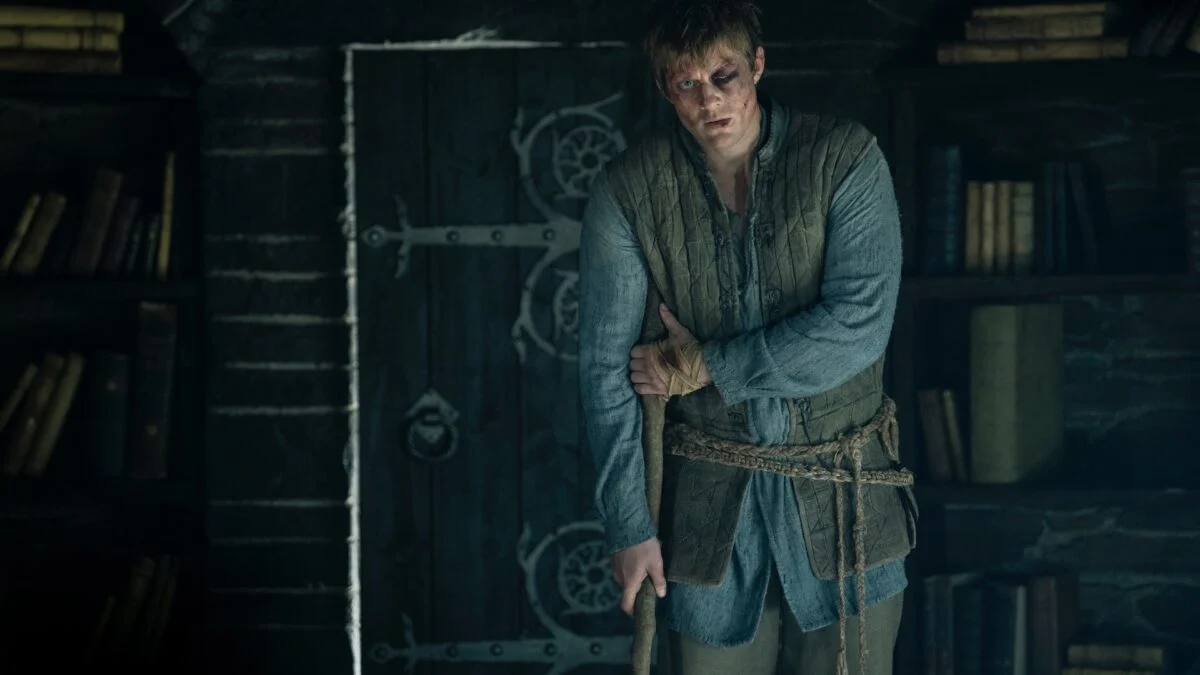
You don’t need to be a ratings nerd to see the mechanics. Nine point five million viewers in three days is proof that a slow-burn spin-off can break into mainstream conversation. For HBO, that’s a simple marketing checkbox: awareness that costs little and yields big returns on prestige and brand sentiment. The finale was a bruised glove, worn but oddly treasured.
On my morning commute a commuter replayed a fight clip and got fifteen people asking questions — that social spark is a growth lever, and streaming platforms know it
Those social echoes feed discovery algorithms on Twitter, X, TikTok, and across HBO Max itself. When a clip of Dunk hobbling across the field circulates, recommendation engines push the episode to viewers who might otherwise ignore medieval shorts. You can translate that into retention: incremental viewers who binge more, buy merch, or tune into related shows like House of the Dragon. The ripple starts small — ratings were a pebble in a pond that sent ripples through HBO’s slate.
At a marketing meeting I overheard an executive ask whether this season will greenlight more Dunk and Egg episodes — that’s the decision point every network faces now
So far HBO has greenlit one additional season beyond this first six-episode run. The finale’s spike strengthens the argument for more: not just because of raw viewers, but because of platform strategy. HBO Max wants content that feeds subscriptions and conversation; splashy tentpoles like House of the Dragon still matter, but so do modest hits that keep the fan base engaged between blockbusters. Industry figures like George R.R. Martin and outlets such as io9 will push the narrative, and the Emmy chatter around The Pitt and other comparisons helps the show’s prestige case.
How many people watched the A Knight of the Seven Kingdoms finale?
HBO says 9.5 million viewers tuned in across the first three days. That metric ties to platform reporting, which differs from single-night linear Nielsen numbers, so expect that figure to climb as the window widens.
Will there be more seasons of A Knight of the Seven Kingdoms?
HBO has approved one more season so far. The finale’s stronger performance increases the likelihood of further renewals, though renewal decisions will weigh production costs, talent availability, and how the series dovetails with larger Westeros strategies.
Did A Knight of the Seven Kingdoms boost House of the Dragon interest?
Yes—cross-show interest is already visible. The Dunk and Egg stories act as feeder content for viewers curious about Targaryen lore and Westerosi politics. Expect HBO to promote season three of House of the Dragon (arriving in June) with clips, curated watchlists, and targeted pushes on HBO Max to capture that attention.
I’ve tracked moments like this across streaming cycles: small shows that grow into strategic plays for platforms and studios. You can read the numbers two ways—an isolated spike or a pattern HBO can exploit—so which will you bet on when renewal season rolls around?