
You stagger out of a wrecked dropship, scanner still ticking, and your pockets are empty. I watch two Runners haggle over a glittering chip while you weigh whether to spend or stash. The raid suddenly feels less like combat and more like a budget decision.
How Many Currencies are in Marathon?
At the Armory, price tags always show two lines — one for usefulness and one for style.
There are exactly two currencies in Marathon: Credits and Silk. Credits are the functional, earned currency that runs your loadout and vendors. Silk is the premium currency tied to cosmetics and the Battle Pass. Bungie designed this split so power stays in gameplay while appearance lives behind a separate economy.
How many currencies are in Marathon?
Two — and knowing the difference changes every extraction you take.
What are Credits in Marathon?
At the main vendor, everything useful is priced in Credits.
Credits are the game’s earned soft currency. You get them from raids, scavenged tech, and faction rewards. You cannot buy Credits with real money — which keeps weapon balance tied to play rather than wallets. In practical terms, Credits pay for weapons, ammo, utilities, repair costs, and vendor services in the hub and Armory.
What are Credits used for in Marathon?
They pay for gear and repairs — the boring stuff that wins fights.
How to Earn Credits Fast in Marathon?
On busy maps, high-value scrap clumps around objectives and choke points.
If you’re short on Credits, treat runs like economic sorties. Here’s what I focus on when I want to bulk up my wallet quickly:
- Prioritize High-Value Components: Not every scrap stack is equal. Learn which tech sells best per inventory slot and drop low-yield junk early.
- Stack Faction Contracts: Faction objectives hand out big Credit payouts. Take a contract that overlaps your raid path and finish it before extracting.
- Sell Smart: Keep duplicates as trade fodder and liquidate what you don’t need as soon as you extract.
- Optimize Extraction: Faster, cleaner extractions reduce risk of losing expensive loot and the Credits it represents.
What is Silk in Marathon?
Across the plaza you spot a Runner whose shell gleams differently — that’s Silk at work.
Silk is the premium, paid currency for cosmetics, premium tiers of the Battle Pass, and aesthetic customizations. It cannot buy weapons that outperform Credit-bought gear; it buys style only. Think of Silk as the tailcoat for your Runner — it changes how you’re seen, not how you shoot.
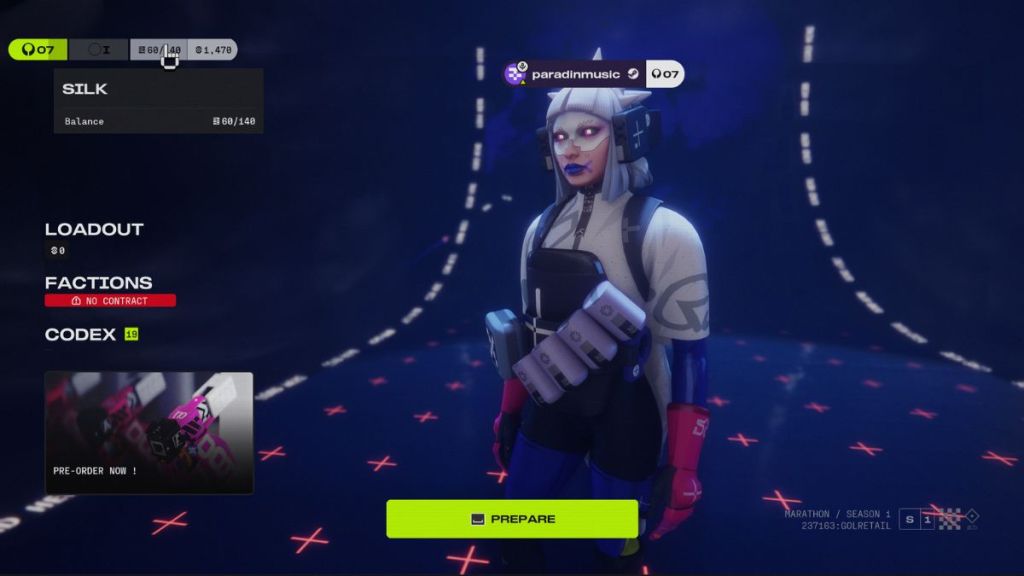
Can you buy Silk with real money?
Yes. Silk is sold in packs through Bungie’s storefront and platforms like Steam and the Epic Games Store. Typical examples you might see are $9.99 (€10), $24.99 (€25), and $49.99 (€50), with seasonal bundles tied to Battle Pass tiers and limited cosmetics.
How to Earn Silk Fast in Marathon?
During the Server Slam you’ll notice faction terminals offer Silk as a reward for specific tasks.
Right now, in the open beta Server Slam, Silk earning is limited: Faction Contracts hand out fixed Silk rewards, and the Battle Pass is not active, so you can’t spend Silk yet. When Marathon fully launches, expect these routes to return:
- Premium Battle Pass Tiers: Pay Silk to access premium tracks and earn cosmetics, sometimes returning a portion of Silk through rewards.
- Seasonal Contracts and Events: Bungie often ties paid cosmetics and Silk giveaways to special events and collaborations.
- Store Bundles: Platforms like Steam and the Epic Games Store run promotions; watch for bundles that include cosmetics plus extra Silk.
I’ve chased both Credits and Silk across dozens of raids: Credits keep you in the fight, Silk changes how other players react when they see you. Which currency shapes your strategy — grindable power or paid prestige — and how far are you willing to go for it?