I was scrolling X at 2 a.m. when the first photo of Kratos hit my feed. The thread detonated in a stream of gifs, memes, and furious takes. By sunrise the conversation had become a referendum on whether a beloved game can survive a messy first day of production.
I’ll cut through the noise and tell you what matters: who’s playing whom, why this particular image set ignited criticism, and what still can change before cameras roll into a finished show. You know the franchises and platforms here — Prime Video, Sony Santa Monica, the PlayStation brand and the PS5 community — so I’ll focus on the facts, the fan psychology, and the likely production fixes the show can still make.
The X timeline lit up — Fans mocked Kratos’ surprisingly clean look
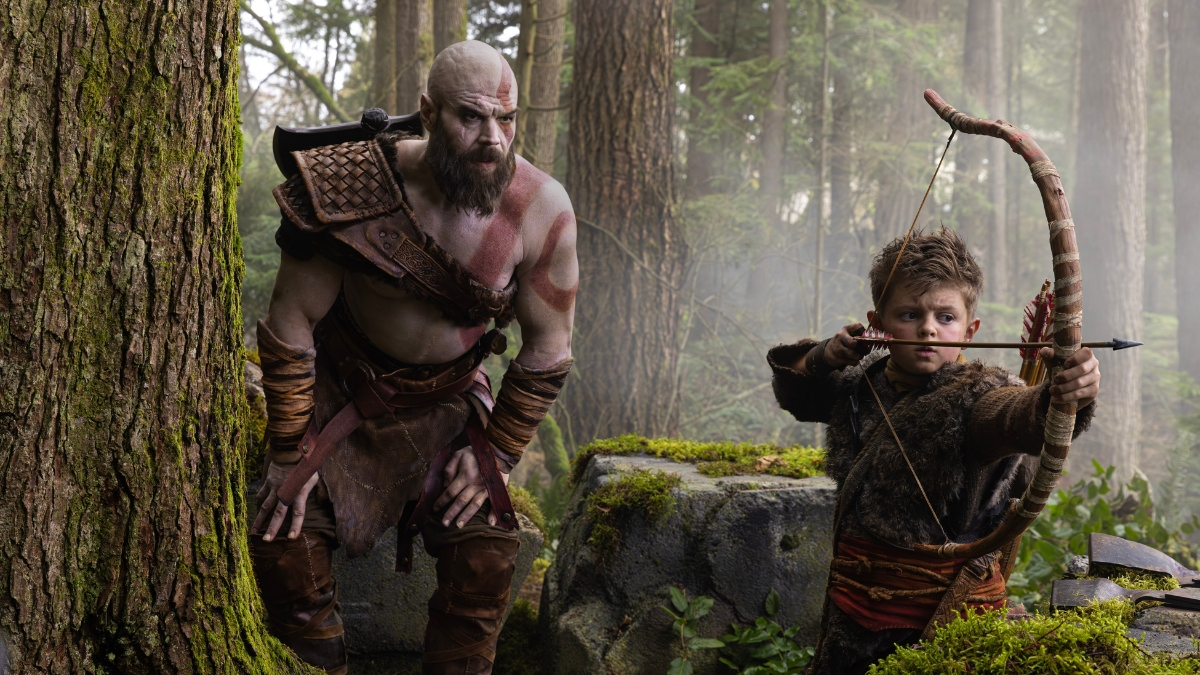
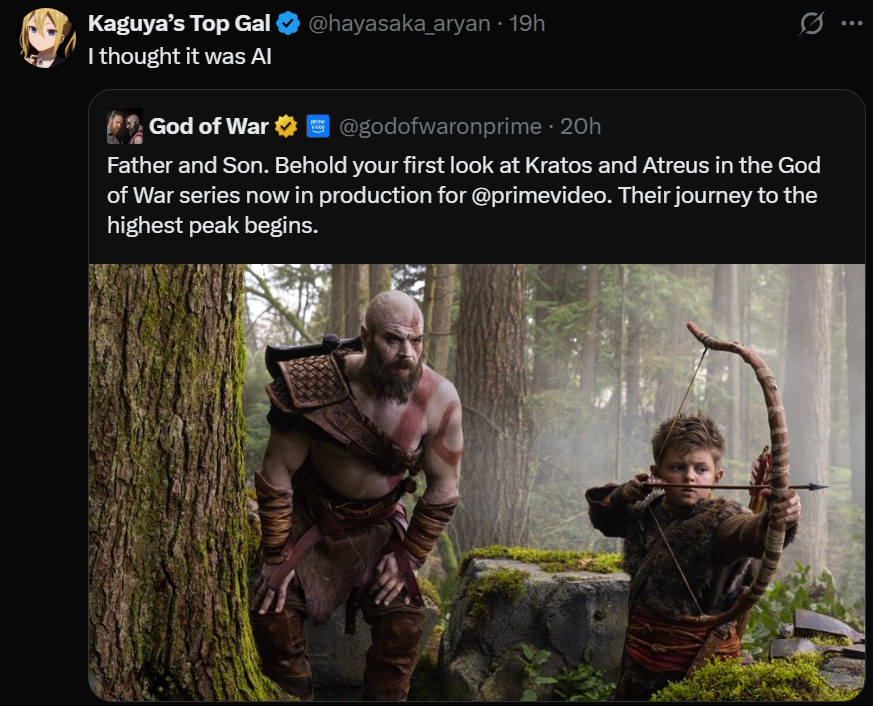
The announcement came in a single post: Ryan Hurst as Kratos, Callum Vinson as Atreus, and a set photo from day one. Immediately, longtime players compared the new Kratos to the weathered, scarred warrior they know from the PS4/PS5 games. The complaints clustered around one idea: the character reads as too polished for a man who’s spent decades warring with gods.
That reaction wasn’t just aesthetic nitpicking. Fans are measuring the series against an era of game graphics so advanced that in-game Kratos and Atreus often feel more “real” than a rushed set photo. The reveal triggered a fear-of-loss: the risk that the show could strip away the textural soul that made the games resonate.
Who plays Kratos and Atreus in the Amazon series?
Prime Video cast Ryan Hurst as Kratos and Callum Vinson as Atreus. Hurst brings a hard-edged resume; Vinson is newer but has generated buzz for his physicality. That alignment is why the backlash focuses less on casting choices and more on presentation — a set photo can undo months of careful casting work in seconds.
The cosplay and meme thread overflowed — fan creations looked better than the studio photo
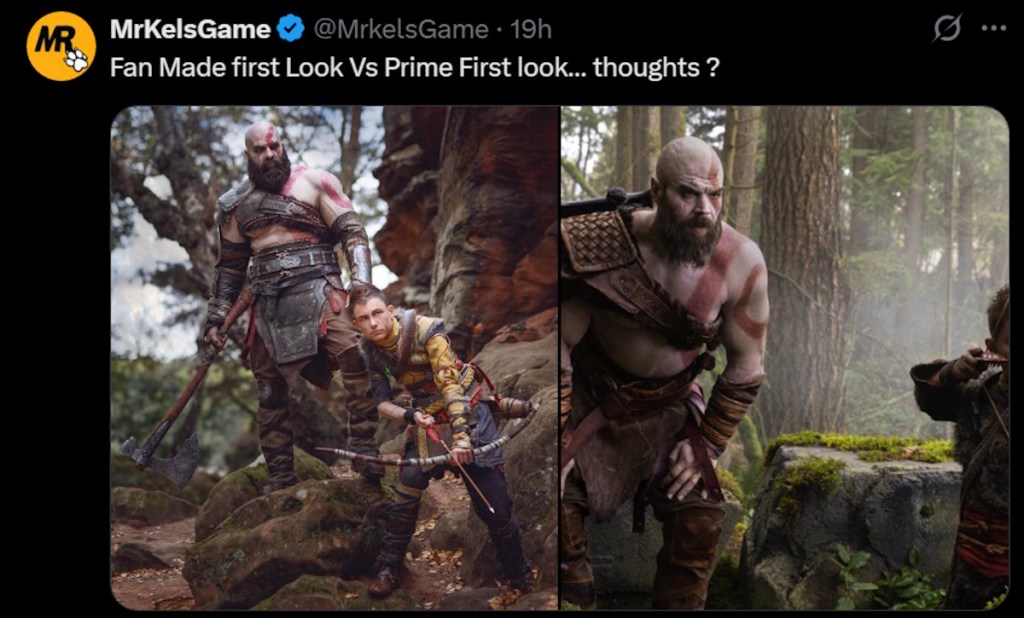
Within hours, community-made cosplay and photo edits were trending. One cosplay—styled from Ragnarok—garnered praise and started a pointed comparison thread: amateur craftsmanship versus a professional production still in early stages. The crowd loves authenticity; when fan art reads truer to the source material than a studio release, resentment grows fast.
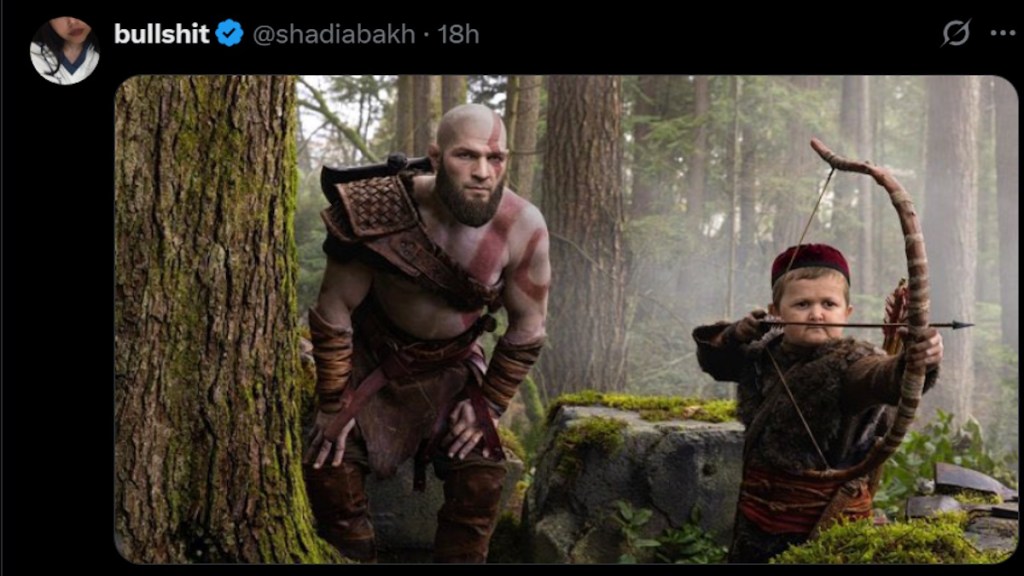
AI and image-editing tools — from Stable Diffusion fan edits to quick Photoshop touch-ups — flooded feeds. Some people assumed the studio photos were AI-generated; others mocked the photos as unfinished. Both reactions signal the same thing: modern audiences expect near-game fidelity because in many cases the source material already looks cinematic.
Why are fans criticizing the God of War first images?
Criticism centers on tone and texture: the armor, the scars, the facial expressions, and the general atmosphere didn’t match the lived-in brutality of the games. Social platforms (X, Reddit, Discord) magnified the gap between expectation and reality. When online communities perceive a betrayal of aesthetic DNA, they mobilize quickly and loudly.
The set photo was an early-stage snapshot — VFX, makeup, and grading can still shift perception
The image released was a production still — daytime lighting, makeup in progress, and no final color grading. Studios often show raw frames during filming; the problem here is timing. Prime Video published before fans had a chance to see the polished product, and the backlash snowballed.
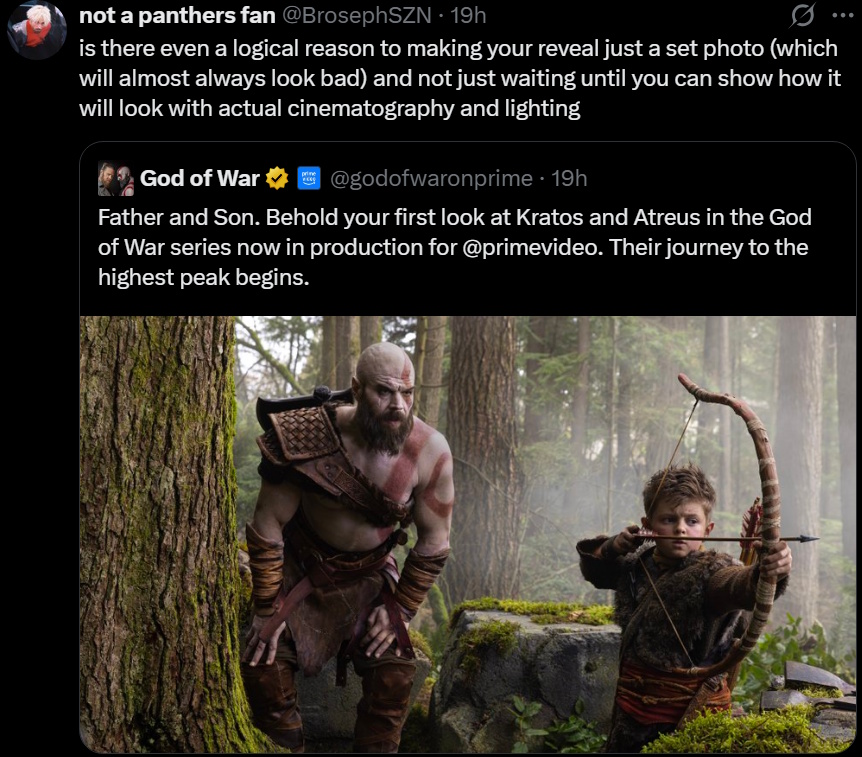
There’s precedent: shows with budgets approaching $100M (€92M) can rebuild audience trust with stronger marketing moments later in the cycle. Makeup, prosthetics, and VFX houses hired in principal photography can transform first impressions into something faithful and cinematic — if given time to finish their work.
Will the show be faithful to the games?
Sony Santa Monica is collaborating on the project and PlayStation’s IP stewardship is explicit; that gives the series a structural incentive to honor game narratives and character beats. But faithfulness isn’t only plot fidelity — it’s tonal, visual, and emotional. That’s where the current dispute lives.
Fan backlash can be a course correction — or a long scar
Community fury can force positive changes: improved makeup tests, revised publicity plans, or later promotional shots that hit the right notes. But it can also harden early impressions and condition audiences to expect failure. The difference often comes down to two things: transparency from the studio and smart, timely imagery that reassures the core fanbase.
Two things you can watch for next: a curated promotional image set that shows Kratos in finished prosthetics and graded lighting, and comments from production creatives or VFX partners explaining the timeline. When studios correct the record quickly, the fan narrative often softens.
The reveal moment was a cracked mirror to the hyperreal standards gamers now hold — a single raw frame reflected an entire community’s expectations. The images were a curtain lifted too soon.
If you follow the feeds, watch for three practical signals that indicate a positive turnaround: staged, finished promotional images; behind-the-scenes explanations from VFX or makeup leads; and marketing that leans into narrative fidelity rather than stunts. If those show up, the series can recover goodwill. If they don’t, the backlash may calcify into a long-running skepticism that no single trailer can erase.
So where do you land — forgiving a raw set photo because finishing touches are coming, or reading this as a warning sign for a series that might misread its own mythos?