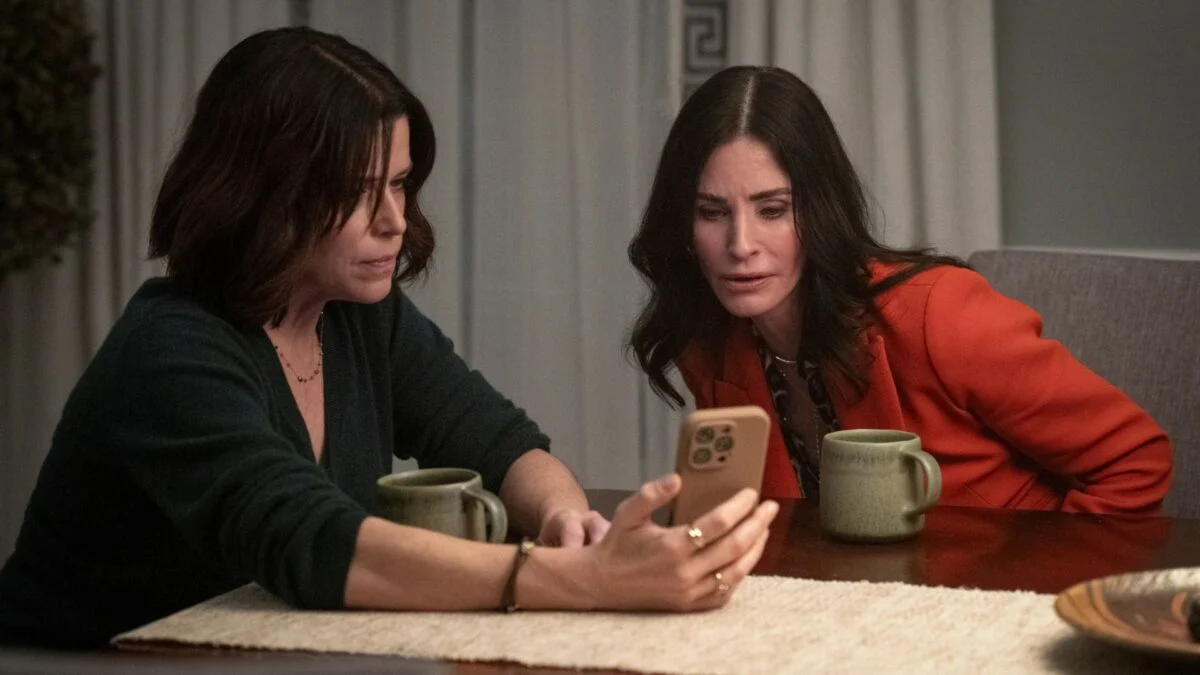
I was watching the red carpet video when the story landed in my feed. Flashbulbs, murmurs, then an Instagram story that refused to go away. You could feel the franchise’s fragile calm snap.
I write about these moments because they teach you how the public responds — fast, sometimes unfair, and always unforgiving. I’ll walk you through what happened with Scream 7, why the film’s opening night success didn’t silence a new controversy, and what this means for talent, studios, and your social media playbook.
On the carpet, cameras flashed and protesters held signs.
The mood at the premiere was part celebration, part reputational triage. Scream 7 managed to overcome early production headaches — and then some — with a strong opening weekend that studios love to tout: roughly $60 million (about €55 million) at the box office. That kind of haul makes boardroom conversations softer and Paramount’s PR teams breathe easier, but it doesn’t erase the backstory.
You already know the headline: Melissa Barrera, a leading player in Scream V and Scream VI, was fired after social posts supporting Palestine during the war in Gaza. The firing set off a culture war around the franchise, and boycotts were floated as a weapon. When something like that happens, every social gesture from cast and crew is read as a statement.
Did the boycott hurt Scream 7’s box office?
Short answer: not in any obvious way. The film’s opening — again, about $60 million (€55M) — shows audiences still turned up. But box-office math is only one lens. Reputation and long-term fan goodwill are softer currencies: they spend slowly and show up in sequels, streaming deals, and merch. I keep an eye on Box Office Mojo and Variety for the numbers, and on X and Instagram for the sentiment; those platforms aren’t just mirrors, they’re accelerants.
At the center, an actor tapped “share” and the room changed.
Anna Camp reposted an Instagram story that dismissed protests urging a boycott and set it to Taylor Swift’s “Karma.” The post read, in part, “The boycott didn’t work. The critics hate didn’t work. The pathetic leaks didn’t work. What worked was audiences coming out and making the film a success.” That repost was deleted, but the screenshot economy does not forget.
It has come to my attention that I reposted someone else’s story that does not reflect my personal beliefs . I have since deleted the repost because I absolutely meant no harm. I’m sorry to anyone who was affected
— Anna Camp (@TheRealAnnaCamp) March 2, 2026
What did Anna Camp post?
She reshared a post celebrating the box-office performance and positioning it as a rebuttal to boycott efforts. In public, she followed up with an apology on X saying the repost did not reflect her beliefs and that she deleted it; Variety covered both the post and the apology. Apologies on social platforms move the needle differently now than they did a decade ago — sometimes they calm things, sometimes they’re taken as performative. You can decide which camp this feels like.
I’ve seen similar flashes before: a careless share spreads like a moth to a porch light, and suddenly what was an isolated misstep becomes public property. For talent, a repost is not neutral — it’s a loudspeaker.
In the lobby, executives count cash and predict sequels.
Studios measure risk in greenbacks, and a healthy opening weekend buys you goodwill. Kevin Williamson, the writer-director who’s been closely tied to the franchise, told Variety that people should “listen to their inner self and do what feels good for them.” That quote is a signal to audiences and talent alike: the film’s stewards want business to proceed with as little friction as possible.
Why was Melissa Barrera fired from the Scream franchise?
She was dismissed after posting support for Palestine amid the Gaza war, a move that Paramount viewed as incompatible with its corporate stance. The firing ignited debates about free speech, corporate policy, and how public-facing figures are disciplined. Whatever your view, the studio’s decision created a reputational risk that lingered into the next films and opened the door for protests and targeted social campaigns.
There’s a lesson for anyone with a public profile: a single share behaves like a loose thread in a sweater — tug one way and an entire seam can unravel. If you care about how you’re perceived, you learn to pause between impulse and publish.
You should watch the platforms where this plays out: Instagram and X for the raw heat, Variety and Deadline for how the industry spins it, and Box Office Mojo for the cold math. Talent and PR teams monitor Google Trends, social listening tools like Brandwatch, and CRM dashboards to decide whether a controversy will be a bump or a bruise.
I’m not here to moralize. I want you to see the pattern: controversy that feels immediate often has a predictable arc — shock, screenshots, apology, and then a slow fade or a sequel announcement. For Scream, sequels are cash machines; expect talk of an eighth film even as headlines scroll past.
So tell me: when a single repost can ignite a debate that threatens a franchise, do you trust studios to handle consequences or do you think talent should stay silent and invisible?