
At 11:02 p.m. I watched the Steam concurrent counter jump from 177,000 to a number that made my phone buzz. You felt it too—the small, private jolt when an indie game refuses to behave like an indie. I remember thinking: whatever this is, it’s loud enough to change the conversation.
On launch day the servers groaned; why the numbers matter
I’ve tracked launches on Steam Charts and SteamDB long enough to know when something’s normal and when it explodes. Slay the Spire 2 opened at roughly 177,000 concurrent players in the first hours and sailed past 400,000 within a day, then peaked at 574,638 over the weekend. That’s roughly ten times the 57,025 peak of Slay the Spire 1—a scale shift that leaves analysts recalculating expectations.
The surge hit like a freight train, pulling metrics that usually belong to AAA studios into indie territory. You don’t need a corporate PR playbook to read the signal: when a small team moves this many players, it changes the market’s attention and the spotlight on modding, content creation, and platform attention.
In Twitch streams and Discord servers the chatter turned into a roar; how community and coverage fueled growth
On Twitch, streamers rolled runs while YouTube creators edited highlight reels that went viral, and Discord servers ballooned overnight—real-world chatter that pushed discovery. Social platforms amplified playthroughs; search volume spiked and Steam’s review influx followed. The game now sits at about a 96 percent positive rating on Steam from roughly 24,500 reviews, nearly matching the original’s 97 percent.
How many players does Slay the Spire 2 have?
The short answer: a peak weekend concurrent of 574,638, with initial-hours numbers around 177,000 and a fast first-day climb past 400,000. Those figures landed Slay the Spire 2 among the top 20 most-played titles on Steam at launch—an achievement that reads like a case study in organic momentum.
Why is Slay the Spire 2 so popular?
Because the design resonates with existing fans while being absurdly readable for newcomers: tight deckbuilding loops, bite-sized runs for streaming, and emergent moments that make highlight reels. Tools like Steam Charts, SteamDB, and Twitch analytics surfaced the story quickly, and creators on YouTube and Discord did the rest. Mega Crit’s name, attached to a game that feels both familiar and daring, became shorthand for quality in search results and recommendation algorithms.
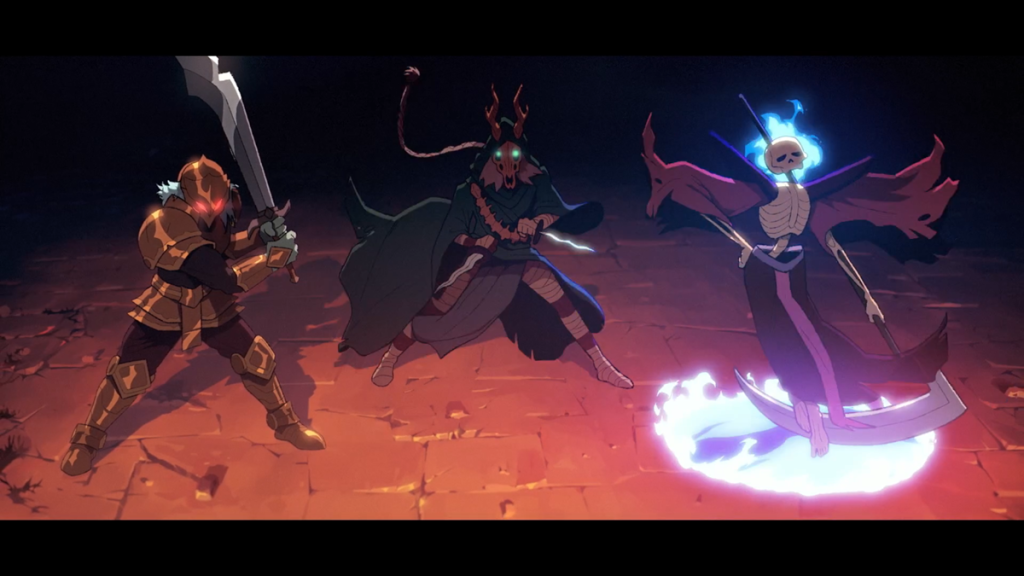
At the leaderboard’s edge I compared peaks: STS2 vs Silksong
On release weekend I pulled the peaks from Steam Charts and felt a real sense of competition—not just between games, but between indie narratives. Hollow Knight: Silksong peaked at about 587,150 and even crashed Steam at launch; Slay the Spire 2 is closing the gap and, if current trends hold, could eclipse Silksong’s best.
Numbers alone aren’t destiny, but the context matters: community momentum, streamer cycles, and press coverage amplify peaks into cultural moments. The growth here is a wildfire racing through dry brush—fast, visible, and hard to extinguish if the community keeps feeding the flames.
Will Slay the Spire 2 beat Silksong’s peak?
It’s possible. Slay the Spire 2 already ranks in Steam’s upper echelon for concurrent players. If Steam store visibility, continued positive reviews, and sustained creator interest persist, STS2 could nudge past Silksong’s 587,150. The real battle is attention—who keeps feeding streams, clips, and discussions into search algorithms next.
On publisher balance sheets the contrast is stark; why indies are winning attention
On the business side, the indie wins spotlight while some big-budget projects stumble. Warner Bros. reportedly lost roughly $300 million (€275 million) on failed ventures and has scaled back certain initiatives. Titles like Highguard face permanent closures within days of reports, and big studios such as those behind Concord and Sony’s Marathon have had headline-making struggles despite large budgets.
That mismatch is why indies are commanding headlines: smaller teams, lower overhead, and direct channels to audiences via Steam, Twitch, and Discord. When a game earns attention organically, it often converts to long-term community and mod support—things a shuttered AAA service can’t buy back.
I’ve written about launches, crashes, and community cycles long enough to know what survives: good design, a receptive audience, and cultural momentum. You can track the numbers—SteamDB, Twitch drops, YouTube views—but the human element is the amplifier. So tell me: does the rise of STS2 prove the indie model is now the safer bet for lasting cultural impact?