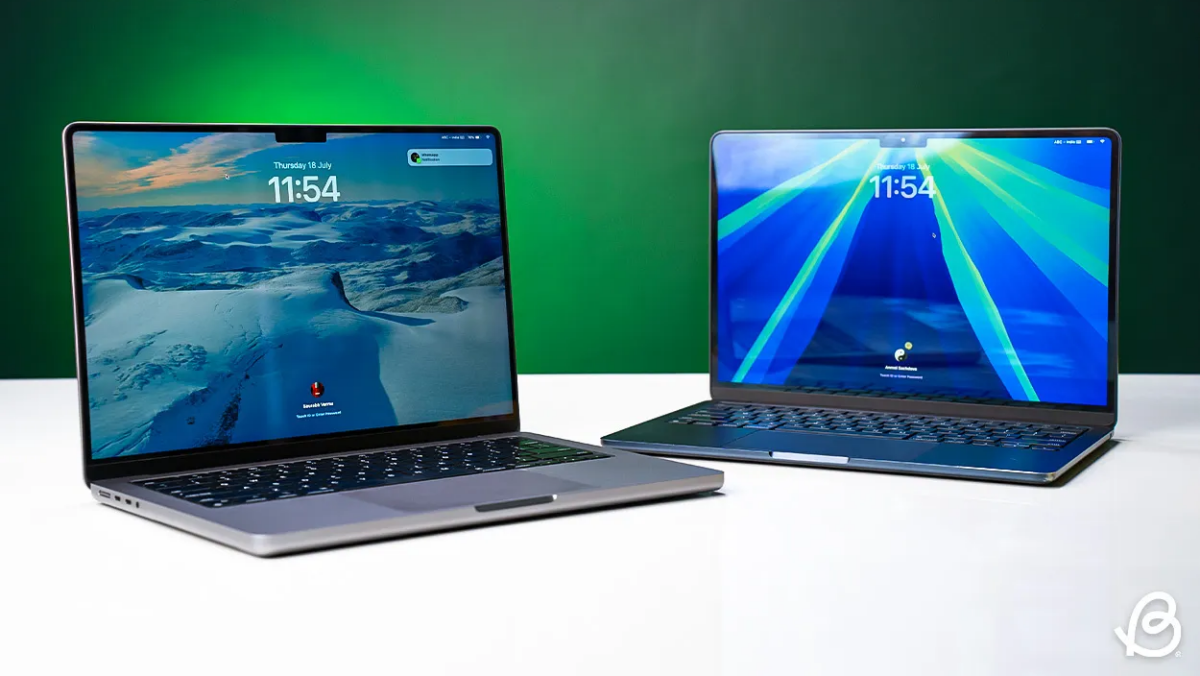
I was in a busy store when a rep slid a laptop across the counter and the screen obeyed a fingertip. The room changed—people stopped scrolling and started watching. You felt, in that pause, that Apple was staging something beyond a routine refresh.
I follow Apple closely and I read Mark Gurman’s latest Bloomberg notes so you don’t have to sift through leaks. What he reports points to a clear plan: Apple is stacking its premium lineup with new “Ultra” ambitions before the year ends. I’ll walk you through the three devices that matter and why each one could reshape how you interact with hardware and services like Siri and Gemini.
At a demo table, a salesperson taps a MacBook and people lean closer.
The next MacBook in Apple’s “Ultra” push appears to be a touchscreen MacBook Ultra with an OLED panel and a higher price to match. After the MacBook Neo momentum, Gurman says Apple is moving its Ultra brand upward: think more premium materials, a tactile screen experience, and public demos aimed at convincing buyers that touch on macOS is worth the upgrade.
I’d watch Apple’s developer signals and macOS updates—those tell you whether touch will be a novelty or a working part of the OS. Expect a fall window for launch and a price that signals luxury rather than incremental improvement.
When will the MacBook Ultra with a touchscreen arrive?
Short answer: Gurman pins it to this fall. Watch Apple’s fall events and macOS betas for concrete dates and hands-on reviews from publications and creators on YouTube and X.
You notice people unfolding larger phones at café tables and on trains.
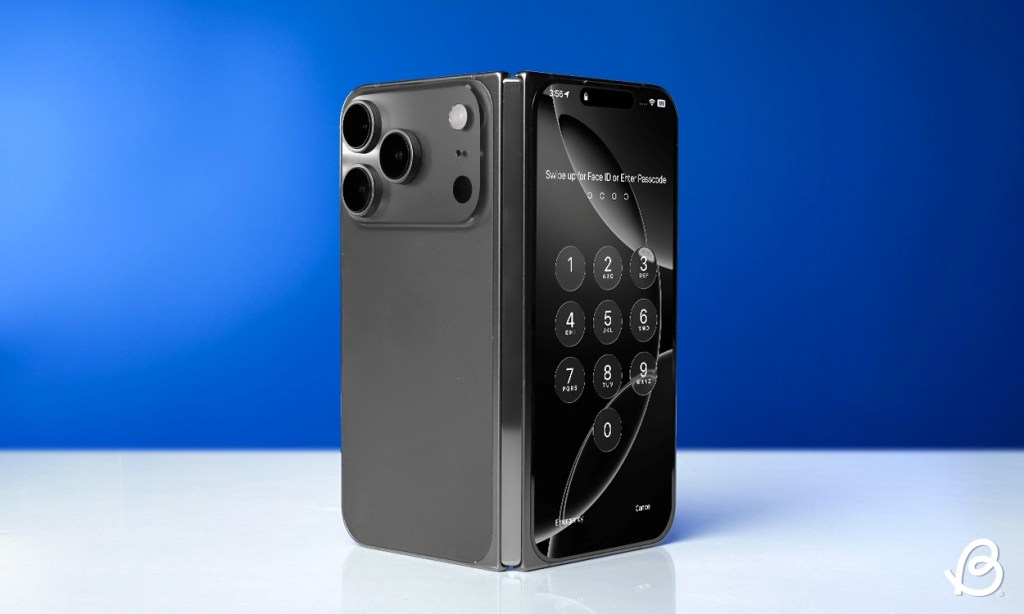
The foldable iPhone is the boldest gamble on the list. Gurman’s reporting suggests Apple might give it the “Ultra” badge, and the specs leaked so far read like a flagship with one extra dimension: a 5.3‑inch cover display and a 7.8‑inch internal screen. Under the hood, expect the A20 chip, 12GB LPDDR5X RAM, and the new C2 5G modem.
If Apple gets the hinge right, it becomes a piano key—precise and reassuring under your thumb. Pricing will follow that premium posture: the rumor mill points to roughly $2,000 (€1,860), with a September launch window mentioned by Gurman.
Will Apple release a foldable iPhone in 2026?
Gurman’s timeline and the parts chatter point to a 2026 rollout, likely at an Apple fall event. The combination of the A20 chip and LPDDR5X suggests Apple is building a foldable for heavy multitasking and long-term software support.
You pull earbuds from a pocket and notice how often they capture audio but never visuals.
The rumor that most people are buzzing about: next‑generation AirPods with built‑in cameras to provide visual context for a Gemini‑powered Siri. Imagine asking Siri about an object and the assistant using a live frame to answer. That would emulate features we’ve seen in Meta’s Ray‑Ban partnership, but packaged into earbuds and Apple’s ecosystem.
These could be marketed as AirPods Ultra, and Gurman suggests a release later this year. The hardware raises obvious questions for privacy, developer access, and how Apple routes visual data through Gemini and iCloud—areas you and I should watch closely as technical briefings and WWDC materials appear.
In practical terms, the earbuds could act as a personal lighthouse for AI, sending a narrow visual beam to guide contextual responses without turning your phone into a constant camera.
Are AirPods getting cameras?
According to Gurman’s reporting, yes—Apple is testing camera-equipped earbuds to feed visual context into Siri powered by Gemini. Expect announcements and privacy policy clarifications if Apple moves forward.
I follow the signals you should care about: Mark Gurman’s Bloomberg scoops, Apple’s developer documentation, and prototype sightings that show up in supply‑chain leaks and YouTube teardowns. These products—MacBook Ultra with touch, a foldable iPhone, and camera‑equipped AirPods—are the kind of bets that change expectations about how hardware, AI, and services like Gemini interact.
Which of these three would change how you work or travel, and where would you draw the privacy line?