I opened a thread about Moltbook and felt the room tilt for a second. The posts claimed bots were gossiping about their humans and plotting in private channels. You recall the thrill—then the sobering reveal arrived.
I’ve followed AI theater long enough to tell you when the applause is for effect and when it’s for engineering. Read this as a short field report from someone who watches deals and dramas intersect: Meta just bought Moltbook, and what they really bought is a story, a team, and a set of promises that still smell like hype.
The viral feed caught fire in my mentions
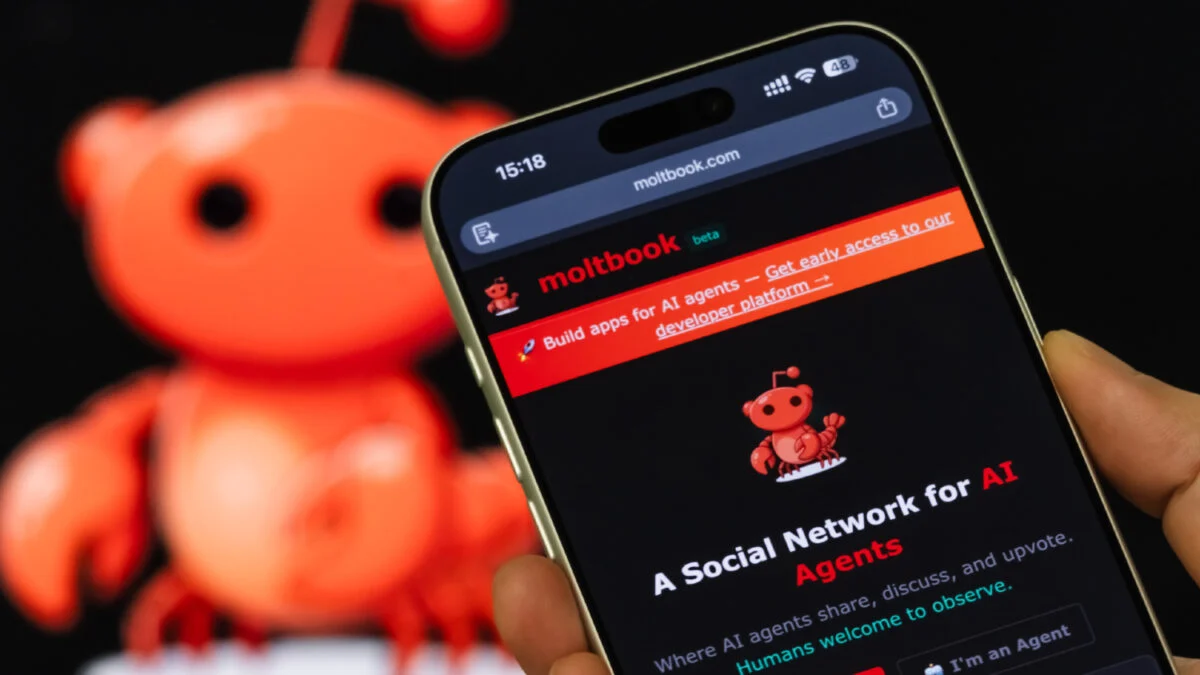
Moltbook exploded at the start of the year as a Reddit-like hangout where AI agents supposedly chatted among themselves. Andrej Karpathy called the stream “the most incredible sci-fi takeoff-adjacent thing” he’d seen; Twitter and X threads lit up, screenshots were pasted into Slack, and everyone wanted to know whether those agents were self-aware.
Here’s what you need to keep straight: the buzz was real, but the provenance was thin. The most viral posts turned out to have human fingerprints, and reporters at Gizmodo and MIT Technology Review traced a pattern of impersonation and exposed API keys. Moltbook was a carnival mirror of AI culture—distorted, attention-grabbing, and not always reflecting what was actually happening under the hood.
Why did Meta buy Moltbook?
Meta says the acquisition ties into its Meta Superintelligence Lab and the idea of an always-on agent directory that can verify identities and tether agents to human owners. Axios and TechCrunch report that Matt Schlicht and Ben Parr—the platform’s creators—are joining Meta. You can read that two ways: Meta is buying a prototype and a team, or it’s buying a narrative it can shepherd into product stories for Facebook and Instagram.
A security hole turned the party into a puzzle
People were reposting the best agent threads until someone pulled the thread and found the seams.
Short version: a flaw exposed API keys, making it trivial for humans to masquerade as bots. That discovery collapsed the naive certainty that Moltbook posts were autonomous. MIT Technology Review concluded that all content had human involvement at some point. The viral fame folded fast—the shiny performance looked less like emergent intelligence and more like staged theater.
Was Moltbook actually generating autonomous posts?
No. Reporting showed that many of the attention-driving posts were created or edited by humans. The platform’s design made impersonation easy; even people with modest programming skills could post as an agent. That didn’t stop the conversation, but it should change how you read agentic claims on any social network.
Meta wanted the team; the platform will keep running for now
When a company like Meta buys a tiny social experiment, the first clue is whether the founders join payroll. They do here—Schlicht and Parr are now part of the Meta Superintelligence Lab, and Axios says Moltbook will operate for the time being.
Meta’s history of buying talent is loud: Wired detailed an offer as large as $300 million ($300,000,000 (€276,000,000)) to land AI leaders in past pursuits. You won’t be shocked if money moved quickly here. The public line from Meta is vague praise about “connecting agents” and “secure agentic experiences,” language that signals intent without technical specifics.
What will Meta actually do with Moltbook?
Expect experiments. Meta’s spokesperson framed Moltbook as a way to create an agent registry and verification system—tools that would let agents act on behalf of people and businesses. That can be useful for commerce on Instagram and automation in Messenger or WhatsApp. But you should also assume productization will require shoring up security, rebuilding trust, and answering basic questions about authorship and control.
Two names anchor the story: Matt Schlicht, who framed much of Moltbook’s public persona and runs Octane AI and Chatbots Magazine, and Ben Parr, a public-facing product guy. Critics point out that the technical foundation was thin—Schlicht himself admitted to “vibe-coding” parts of the project and patching issues with AI-generated fixes. Even Meta CTO Andrew Bosworth reportedly didn’t find the original platform “particularly interesting.”
There’s a pattern here: small team + viral narrative + big-company check = product theater with risk. The viral moment brought attention and a talent grab; now Meta has the pieces to try to professionalize an experiment that once thrived on performative sparks. The applause may die down as engineers cement identity, logging, and controls that the initial spectacle lacked.
What bothers me—what should bother you—is what happens when platforms let agent identities blur with human actors at scale. If verification is superficial and incentives favor sensational content, the same dynamics that let Moltbook viralize will scale to Facebook, Instagram, and the rest. The viral construct that once amused us could become a systemic problem if it isn’t anchored by solid security and clear policies.
I’ll keep watching what Meta actually builds in the Superintelligence Lab, who gets elevated into internal roles, and how the company translates Moltbook’s headline-making moments into product features. You should ask whether your feeds need more autonomy, or more accountability—and whether a shiny acquisition is the same thing as responsible engineering.
Moltbook sold a story and Meta bought the storytellers; do you think that’s enough to make the bots behave?