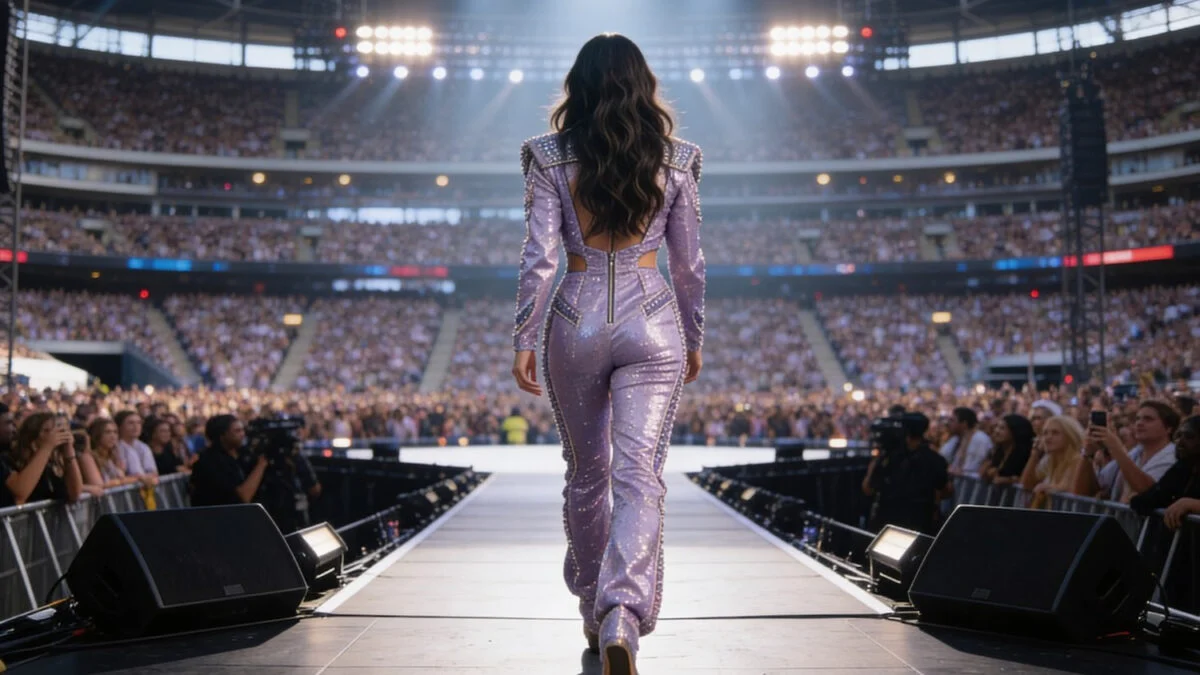
I open YouTube at 2 a.m. and there she is: Tilly Norwood, billed as the “world’s first AI actor,” singing a song that sounds like it was farmed out to an overworked generator. You watch for two minutes and feel the press cycle doing the heavy lifting while the audience scrolls past. I want to tell you what’s happening here, and why it matters beyond the headline.
At the Oscars red carpet, novelty behaves like a press magnet — the timing is not accidental
I’ve followed campaigns and PR stunts long enough to spot the pattern. Particle6 Group drops a new Tilly project, outlets from Deadline to Variety and The Hollywood Reporter dutifully amplify it, and the narrative spins toward industry debate. That part works: headlines equal attention.
But attention is not the same as resonance. The music video, titled Take The Lead, sits under 5,000 views a few hours after upload and collects a comments section that reads like a roast. Tilly’s official YouTube channel has under 4,000 subscribers, TikTok shows almost nothing, and Instagram is the only place she has traction — roughly 90,000 followers who watch uncanny-valley clips where she talks to “fans.”
At a studio meeting, you can feel skepticism in the room — industry reaction has been mostly hostile
Actors, agents, and unions aren’t splitting into applause. SAG-AFTRA publicly condemned the synthetic performer. Several agencies announced they wouldn’t touch the project. A segment of actors threatened to boycott any agency that signed Tilly. Even supporters are awkward: Kevin O’Leary suggested hiring “100 Norwell Tillies,” mangling her name while arguing background actors could be replaced.
She is a corporate puppet — built for headlines and defended by bluster more than artistic merit.
Is Tilly Norwood a real actor?
Short answer: no, not in the way the guilds and credits understand the word. Particle6 markets Tilly as an actor, but her portfolio consists of tightly produced, sub-five-minute pieces and a song that borrows heavily from a Particle6 CEO essay written by Eline van der Velden. The lyrics read like the product of a prompt-to-song workflow: earnest, generic, and oddly dissonant when you scrutinize the small details — unreadable symbols on falling dollar bills, lip-sync glitches, and oddly rendered hands.
At a creative meeting, the team will insist collaboration matters — yet the credits read like a checkbox
The video insists “18 humans” contributed, which is a shield meant to diffuse culpability. But the result feels mechanized. The lyrics plead for acceptance — “AI’s not the enemy, it’s the key” — while the visuals try to sell a friendly takeover. Audiences smell the contrivance. When the art looks like a press release, people don’t engage; they mock.
Will AI actors be allowed at the Oscars?
No clear rulebook exists yet. The Academy hasn’t made a sweeping decision to include or ban synthetic performers, but the prospect raises legal, ethical, and labor questions: credit, compensation, and consent for likenesses. If Tilly turns up at the Oscars because Particle6 scored a ticket via PR sleight, expect unions and agencies to make that invitation a political battleground.
At the social feed, metrics tell the true story — buzz without conversion
There’s a familiarity to this pattern: viral PR gets headlines; audience metrics show chill. The music video racked up press across major outlets, including Gizmodo’s regretful coverage, but the view and engagement numbers don’t match the breathless coverage. The campaign looks like spectacle rather than cultural penetration.
The campaign is a paper tiger — loud in print, fragile in the marketplace.
At the writers’ table, the ethical question always arrives — who benefits?
Particle6 says it’s building a “Tillyverse” of AI performers. That’s a product strategy as much as it is a creative argument. If the plan is to fold Tilly into films and shows, you have to reconcile authorship, union rules, and audience trust. Will studios treat these creations as tools or stand-ins? The industry’s defensive posture suggests the answer won’t be simple.
Can AI replace background actors?
Technically, yes: generators can create extras and fill frames. Practically, productions face legal and practical hurdles: consent for likeness training data, contractual obligations, and the unpredictable quality of fabricated performances. Replacing people with synthetic figures may save a few pages of call sheets, but it creates a chorus of new problems.
You can watch the video and judge for yourself: the hook is a manufactured defense of AI, the songwriting reads like a repurposed op-ed, and the visuals carry an AI polish that unravels under scrutiny. Particle6 has engineered buzz; they haven’t yet made a character people care about.
I’ll keep an eye on how this plays out at the Oscars and beyond. You should too, because what happens to Tilly is a preview of how the industry will treat synthetic talent — and who gets to write the rules. Are we ready to let press machines define what counts as performance?