
I was crouched behind a toppled carriage as a Rath’s tail cleared the roof of the bakery. I felt the weight of a single choice—weapon, timing, consequence—press against my throat. You learn fast when every swing can be the one that costs you the hunt.
How do all weapons work in Monster Hunter Stories 3: Twisted Reflections
In a hardware store every tool sits in a slot with a single job, and the same is true in this game.
I’ll keep this tight: weapons fall into three families — Slashing, Blunt, and Piercing — and each family changes how you face fights. Some demand timing and patience; others demand aggression and rhythm. You’ll mix Head-to-Head encounters, skill use, and gauges to push damage or control the flow of a battle.
How do weapons differ in Monster Hunter Stories 3?
Short answer: mechanics and momentum. The Great Sword feeds off a Charge Gauge and rewards sustained hits. The Long Sword stores Spirit to open Stance Attacks that finish with a Special Sheathe that buffs your normal strikes. The Hunting Horn writes melodies into a bar to grant buffs as you play the right notes. The Hammer crushes parts with blunt force. The Bow stacks Coatings and uses a Charge Gauge for stronger effects. The Gunlance mixes guarding with Shells you must reload through Head-to-Head plays and skills.
Slashing Weapons
At a blacksmith, the largest blade sits on the wall because you reach for it when you need to end problems quickly.
Great Sword: The Great Sword is a battering ram in your hands. It lives and dies by its Charge Gauge — fill it through skills and head-to-head wins and your singe of damage climbs. You’ll trade speed for raw, blunt force; if you want direct, decisive swings that punish mistakes, this is your answer.
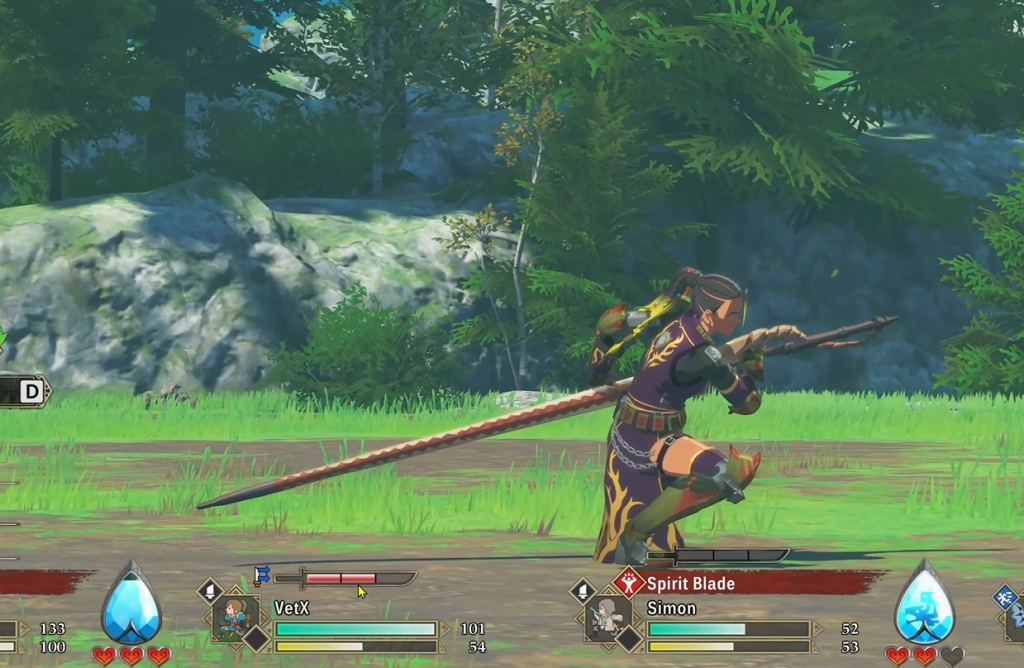
Long Sword: The Long Sword uses a Spirit Gauge. When you get at least one segment, you can execute Stance Attacks that have unique reaction effects and close with a Special Sheathe that amplifies normal hits. The Long Sword is more fluid and rewards reading patterns and stacking that extra damage window.

Blunt Weapons
In a drum circle the person with the biggest drum controls the rhythm; blunt weapons set the tempo of a fight.
Hunting Horn: This weapon is a skill instrument. You add notes to a Melody bar — Red, Green, Blue — and the sequence you compose determines the buffs you cast while dealing damage. It’s powerful in a support role but asks you to track patterns and effects like a conductor leading an orchestra.
Hammer: Pure, focused damage and part-breaking. If you want to shatter heads and change a monster’s behavior, the Hammer is the blunt instrument that makes those moments happen. It’s less flexible than some options, but when you land the read, it feels decisive.
Piercing Weapons
At an archery range the archer with the steady breath wins; piercing weapons reward aim and patience.
Bow: The Bow is a surgeon’s scalpel. It applies status effects and uses a Charge Gauge to change and strengthen Coatings; how full your gauge is determines the coatings available. If you prefer range, status control, and micro-management of stacks, the Bow keeps you safe while rewarding precision.
Gunlance: This one prefers a defensive posture — shield up, then punish. The Gunlance uses Shells to deliver extra attacks and Protective Skills to soak hits or draw aggro. Shells reload through Head-to-Head and specific skills, so you’ll be juggling offense and timing to keep the pressure up without running dry.
Which weapon should I pick for breaking parts?
If your goal is to break horns, wings, or tails, go blunt. The Hammer is your specialist; it does the work fast. Gunlance can assist on certain breaks with repeated Shells, but if you want reliability, take the Hammer and set up Head-to-Head windows to stack the damage.
How do Stance and Charge gauges affect gameplay?
Gauges create tension and reward control. Charge Gauges (Great Sword, Bow) scale raw output over time; Spirit or Stance windows (Long Sword) give you timed access to stronger moves that change enemy reactions. The trick is reading the fight and deciding if you’ll bank a gauge for a single huge window or spend it in smaller bursts to keep pressure steady.
If you’re hunting on Switch, Steam, or watching guides on YouTube and speedrun clips on Twitch or Discord communities, you’ll see players push different weapons into signature roles — Capcom designed each with trade-offs, and outlets like Moyens I/O have early screenshots and breakdowns that highlight those differences. Which weapon do you reach for when everything depends on a single hit?