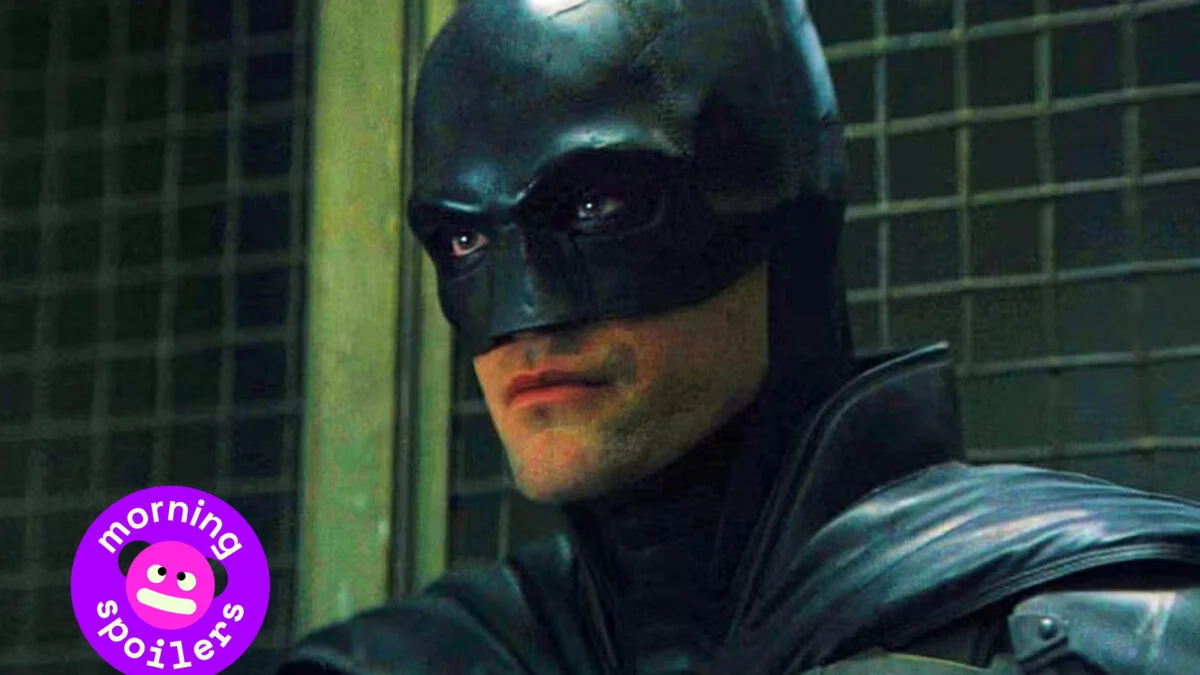
I remember sitting through a casting meeting where the air tightened the second the name Christopher Dent appeared on the slate. You could see the room trade nervous smiles like contraband. I’ve watched roles eat careers; this one feels hungry.

Studio casting notes ran through three A-listers and came back empty. The Batman, Part II
I’ve followed trades and whisper networks for years; when World of Reel reports three actors politely bowed out, that means the role is doing more than asking for trouble. Daniel Craig, Brad Pitt, and Stellan Skarsgård are all named as having passed on Christopher Dent — the man described in early coverage as Two-Face’s awful father.
That trio declining gives you two kinds of signals: the part may demand an uncomfortable moral posture, or the script scaffolding around Dent makes any actor look like the fall guy. You and I both know prestige names pick projects with reputational safety; this one looks like a risk you carry home.
Why did Daniel Craig, Brad Pitt, and Stellan Skarsgård turn down Christopher Dent?
Short answer: reputation math. Actors weigh character complexity against career momentum and press exposure. I’ve spoken with casting insiders who point to a bleak combination here — a role that asks an actor to be hated without obvious redemption, and a narrative that will let headlines define their performance long before audiences do.
World of Reel’s reporting aligns with chatter from agents and execs at Warner Bros. and DC, and that kind of consensus matters when three bankable names decline a film that already carries franchise weight.
Who is Christopher Dent and why is he toxic to actors?
Christopher Dent is being framed as Harvey Dent’s father — not the sympathetic type you can humanize in a trailer. If the script leans on Dent as a narrative source of trauma for Harvey and the city, the actor becomes a narrative scapegoat. Playing that role can make you memorable — for the wrong reasons.
Think of the part as a hot potato: everyone sees the heat but nobody wants to hold on when headlines and social feeds start throwing opinions. For marquee actors, that’s a calculation you can’t ignore.
On-set tension is contagious; studios notice before fans do. Ready Or Not 2: Here I Come
If you watched the Ready Or Not 2 featurette, you saw the trio—Samara Weaving, Kathryn Newton, Sarah Michelle Gellar—owning the “scream queen” label while selling an experience full of teeth. I walked away with the sense they’re leaning into the audience’s appetite for theatrical scares and celebrity-driven PR.
Gellar going behind the scenes and screaming on camera is a neat signal: legacy horror stars boosting modern franchises is a proven promotional lever for studios and streamers like Fox and Hulu-level partners.
Trailers that refuse to calm you down: They Will Kill You
Trailers now aim to do rapid identity work: hook, repurpose, and provoke. The new trailer for They Will Kill You does that by dropping Zazie Beetz into a demonic cult led by Patricia Arquette, Heather Graham, Myha’La, Paterson Joseph, and Tom Felton.
That cast list is a credibility ladder. When you line genre mainstays with serious dramatic actors, studios and platforms—think A24, Blumhouse-caliber production vibes—are signaling a blend of arthouse fear and mass-market reach.
Festival-ready visuals meet streaming hunger. Resurrection
I noticed the trailer’s color palette before anything else; filmmakers are selling future-immortality through saturated nightmares. Jackson Yee’s outcast discovers a private landscape of illusion, and the film leans into synesthetic imagery to sell its concept.
That’s the kind of package that festivals and boutique distributors like Neon or Bleecker Street can parade to buyers, even as streamers weigh pick-up costs against subscriber lift.
Casting notes become content. Scooby-Doo
On any Netflix set, casting headlines can be half the advertising campaign. What’s On Netflix reports Paul Walter Hauser will play “Scooby’s original owner” in the live-action Scooby-Doo series — a curious choice that signals Netflix wants both comedic oddity and a touch of character-driven melancholy.
Hauser’s presence suggests the show will tilt into misfit comedy rather than straight nostalgia. That’s smart: Netflix’s algorithm responds better to distinct tonal stamps that create watch-click behavior across demographics.
A backstage whisper becomes an industry story. Untitled Clive Barker/Bryan Fuller Series
At the Saturn Awards, Bryan Fuller confirmed he’s collaborating with Clive Barker on a TV series — and that line alone sent Screen Rant into feast mode. Fans of serialized horror and prestige TV immediately linked Fuller’s stylistic fingerprints with Barker’s mythic lexicon.
I’ve seen projects like this get fast-tracked by boutique networks or streaming labels hungry for intellectual property with built-in fandoms. Fuller and Barker together are a brand signal that buyers and talent agents watch closely.
Production milestones matter to fans and trades. Vought Rising
On Instagram, Jensen Ackles announced filming wrapped for Vought Rising, the spinoff of The Boys. When a show posts wrap photos, that’s a momentum cue: festivals, press cycles, and licensing teams start calculating release windows.
Amazon and Prime Video will be eyeing marketing hooks; expect cross-promotion strategies that echo what worked for the parent show, with Ackles as a headline driver.
Short clips are free attention traps. Rooster Fighter
I noticed the new Adult Swim clip shows a fighting rooster grappling a three-headed giant—absurdity that doubles as a viral thumbnail. That’s exactly the kind of content designed to spark share chains on TikTok and X.
Short-form previews like this prime live viewing and appointment watching for premieres, especially in the anime-to-western-adaptation space.
Industry signals point to where money and taste are moving. Final notes
I tell you this as someone who reads trades, listens to agents, and tracks social sentiment: a role like Christopher Dent will live or die outside of script pages. If studios want an actor willing to take the fall, they’ll need to reframe the part as an opportunity rather than a career hazard.
And Bryan Fuller teaming with Clive Barker? That’s a creative ledger line that will excite horror fans and prestige buyers alike—two camps studios court for catalog value.
Want my prediction? If Dent gets rewritten into a layered antagonist instead of a blunt instrument, a name will take the bait. Otherwise, the casting board will keep circling.
Want more io9 news? Check out when to expect the latest Marvel, Star Wars, and Star Trek releases, what’s next for the DC Universe on film and TV, and everything you need to know about the future of Doctor Who.
Which actor will risk the heat for Christopher Dent, and what will that choice say about the direction of franchise casting this year?