
The alley behind a Midtown deli goes quiet and then fills with the soft click of metal. You feel the moment shift: not a single villain, but an organised movement that has been waiting in the dark. I’ve watched Marvel fold shadowy forces into street-level chaos before—this feels different.
I’m going to walk you through what The Hand actually is, why their arrival in Spider-Man: Brand New Day matters, and how their history with Daredevil changes the stakes for Peter Parker. Read this like a fast brief from someone who’s followed these threads through comics, Netflix runs, and studio memos at Marvel Studios and Sony Pictures.
New York alleys whisper history: Who Is The Hand in Marvel Comics? Origin explained
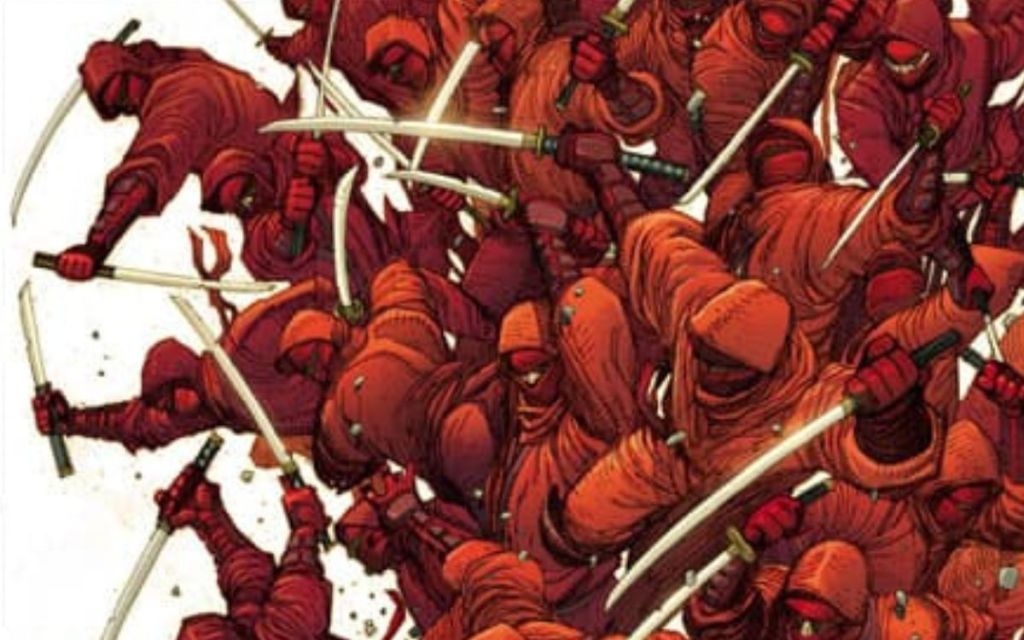
The Hand began in feudal Japan in the comics and has spent centuries remaking itself into a hidden global syndicate that mixes elite martial training with ancient sorcery. They’re neither a conventional mafia nor a corporate front; they’re a hybrid of ritual and military discipline. I’ve tracked villains who trade in tech and theatrics—this is the sort of enemy that rewrites the field.
Two things make them hard to stop: ritual resurrection that can return fighters to the field, and a doctrine that enforces absolute obedience. When a foe can come back from death and refuse to question orders, winning a single fight means very little. You can think of their presence as like a coiled spring ready to snap—one strike and a city feels the recoil.
Street snatches and flash fights: The Hand’s powers, abilities, and why they’re so dangerous
On the page and on screen, The Hand operates as a network rather than individuals. Their training standardises lethality; their rituals erase doubts. That combination makes them efficient and terrifying.
Members move in tight formations, coordinate ambushes, and accept casualties most groups won’t. Resurrected fighters sometimes lose the human nuances that give heroes an opening—fear, hesitation, negotiation—so the Hand becomes a repeating wave of violence rather than a single threat.
Is The Hand a Daredevil villain?
Yes. In comics and the Netflix Daredevil run, they are one of Daredevil’s most persistent enemies. Their history with Elektra and Matt Murdock defines a lot of Daredevil’s moral and physical trials, and that lineage is exactly what Marvel Studios and Disney+ have mined to broaden street-level stories.
Trailers that whisper, not shout: The Hand in Spider-Man: Brand New Day — what the footage reveals
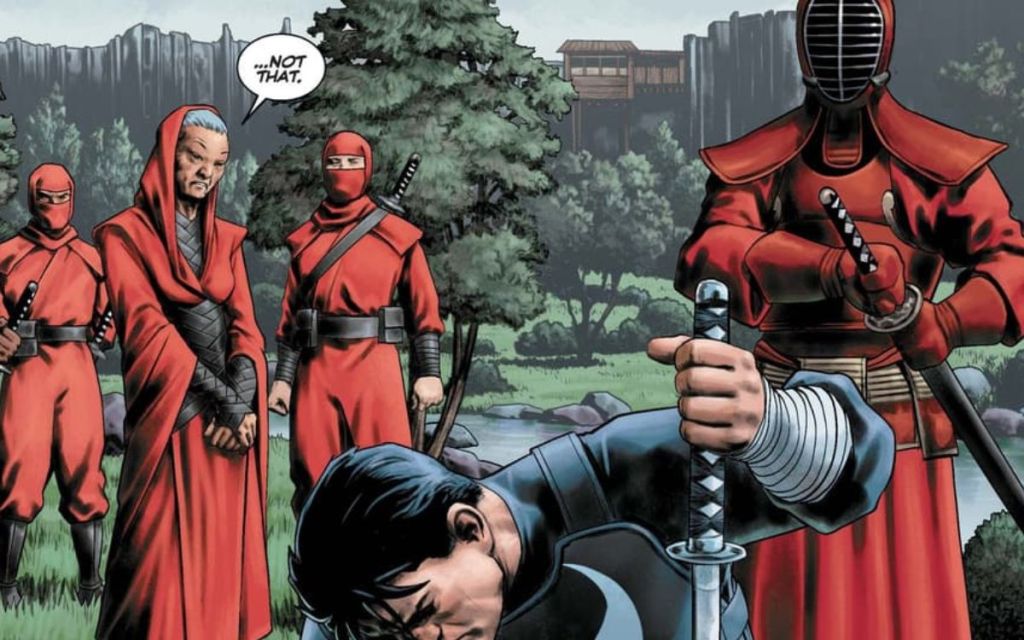
The trailer is careful: hints instead of announcements. You see coordinated masked figures, quick slashes in alleyways, and Spider-Man forced to respond to group tactics rather than a single antagonist. That’s an important tonal pivot for a franchise used to tech villains and solo masterminds.
What’s implied: The Hand is already active in New York and playing puppeteer across a citywide crime war. When a force operates behind a dozen storefronts and under corporate veneers, you as a viewer begin to distrust the obvious source of chaos—and that raises the suspense in every scene.
Is The Hand in Spider-Man: Brand New Day?
The film confirms they appear as one of the factions Peter faces. Expect them to be part of a mosaic of threats—Scorpion and Tarantula are named elsewhere—so The Hand will be one strand of a larger, messier fight for the city.
Low-lit corners hold old scores: How The Hand is connected to Daredevil and why that matters in Brand New Day
The Hand’s ties to Daredevil aren’t just history; they’re narrative currency. Daredevil’s battles with them shaped Elektra’s arc and haunted Matt Murdock. When that same organisation steps into Spider-Man’s world, it’s more than crossover fan service—it’s an alignment of tone.
That alignment has been brewing since Netflix’s Daredevil introduced street-level grit, and Marvel Studios—under Kevin Feige—has used that foundation to fold characters back into the MCU canon. Charlie Cox’s Matt Murdock, for example, carries the weight of those conflicts into any shared story, and that weight will ripple through Peter’s choices.
Cityscapes and small fights: How The Hand reshapes Spider-Man’s story going forward
When you swap a solo mastermind for an organised cult, the rules of engagement change. Peter can’t just outsmart a villain; he must contend with systems that outlast a single battle.
The Hand forces Spider-Man into strategic thinking and alliances. With the Avengers’ memory issues in recent MCU arcs, Peter’s support network is thinner, so threats that thrive on secrecy and patience become far more dangerous. Think of the city as like a chessboard where every pawn is a trained assassin; mechanics and scale matter more than a single spectacular showdown.
Who is the villain for Brand New Day?
There isn’t a single, clearly defined main antagonist. Spider-Man: Brand New Day presents multiple players—The Hand, Scorpion, and Tarantula among them—creating an ecosystem of conflict rather than a lone nemesis. That approach lets directors and writers explore Peter’s moral and tactical growth in ways a single villain rarely does.
For fans tracking the MCU’s street-level stitching, this is an invitation. Marvel Studios and Sony are using familiar figures from Netflix runs and classic comics to create friction—bringing in Daredevil’s foes is both a creative choice and a strategic bet on audience memory handled by platforms like Disney+ and the broader Marvel machine.
I’ll be watching how the film balances spectacle and stealth, how action choreography from studios like Industrial Light & Magic or smaller VFX houses blends with practical fight work, and whether this new tone sticks. Which do you think will define Peter’s next move: raw heroics or careful alliances?