
I was halfway through a Walker, Texas Ranger rerun when my phone lit up with the same headline over and over. You felt it too—that strange, immediate quiet that follows when a public figure who has been part of your life simply stops. For a moment it read like one of those impossible stunts from his movies: Chuck Norris gone at 86.
I’ve covered deaths and legacies before; you want facts, context, and a sense of why this matters. Here’s what I’m seeing, what reporters on the ground in Hawaii confirm, and how the man who defined an era moves from roles into memory.
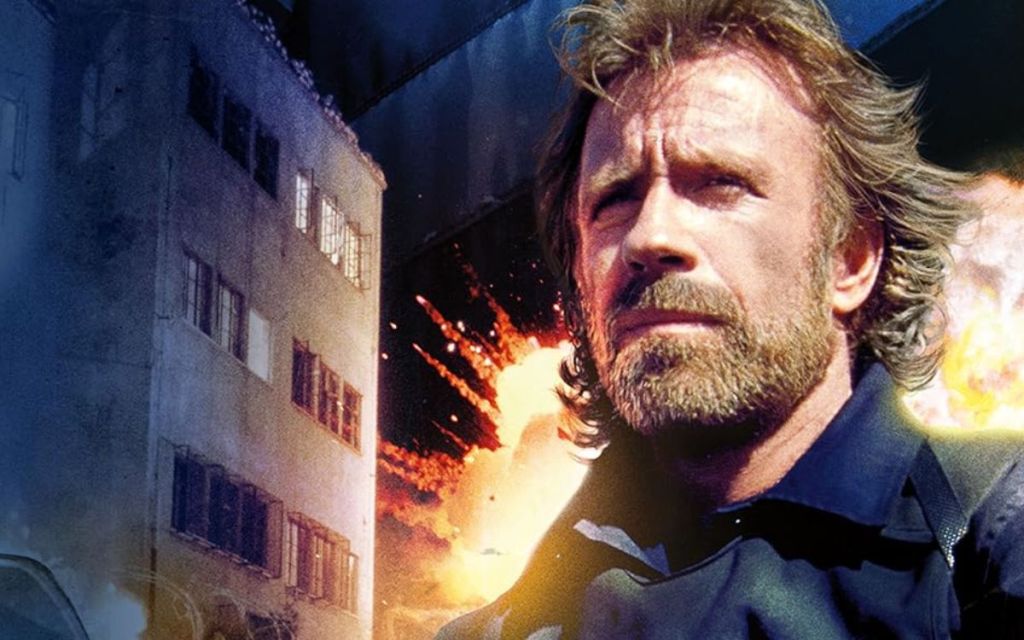
On dojo floors and late-night TV you can still see his stance. Chuck Norris’ Legacy Was Crafted in Martial Arts and Hollywood
I remember meeting him years ago at a small tournament where the lights never matched the legend. You need to know that Carlos Ray Norris—born March 10, 1940—earned his name first as a competitive martial artist, not a movie star.
He built Chun Kuk Do and collected tournament titles long before studios noticed him. His early break came opposite Bruce Lee in The Way of the Dragon (1972), where the screen chemistry turned a karate match into a career. He then anchored a string of 1970s–1980s action pictures—Missing in Action, The Delta Force—that framed him as an American action lead producers at Golan-Globus and studios like CBS would reliably cast.
His fists were a metronome for justice. His later move to television with Walker, Texas Ranger (1993–2001) made him a weekly fixture—parents, kids, and international audiences tuned in, and his persona traveled faster than any marketing campaign.
On message boards and memes you could watch a new generation discover him. The Man Behind the Legend, the Myth, and the Memes
I saw the meme wave change his public image more than once. You saw the “Chuck Norris Facts” phenomenon too: Reddit threads, YouTube compilations, and shareable posts on Twitter/X and Instagram turned hyperbole into a form of modern folklore.
He didn’t resist. He leaned into the jokes, did interviews about the meme culture, and even watched the internet turn him into a punchline that fed back into his star power. His career was a lighthouse on a stormy shore—guiding curious viewers to films they might never have clicked on otherwise.
Streaming platforms like Netflix and catalog sales on Amazon kept those films in circulation, while podcasts and martial-arts forums continued the conversation about his techniques and influence. Younger fans often discover him through clips and social channels rather than VHS or broadcast schedules.
On a Hawaiian shore friends gathered to say goodbye. The Reason Behind Chuck Norris’s Death Is Not Known Yet
I’ve spoken to reporters in Hawaii and read the family statement: he died after a sudden medical emergency days after his 86th birthday, surrounded by loved ones. The precise medical details are being kept private.
How did Chuck Norris die?
Initial reports describe a sudden medical emergency while he was in Hawaii; family confirmation is the primary source at this stage. Local hospital and eyewitness details remain limited, and I expect a fuller report once next-of-kin and medical officials release more information.
How old was Chuck Norris when he died?
He was 86, having just celebrated his birthday on March 10, 2026. Fans marked the date online, and within days the news of his passing moved across networks and platforms from CBS alumni to MMA gyms.
What was Chuck Norris known for?
He was known as an elite martial artist, a movie action star, the face of Walker, Texas Ranger, and the subject of a global meme culture that transformed him into an icon beyond cinema. Industry figures—from former co-stars to writers and directors—have been posting memories across social media and streaming tributes.
Tributes are pouring in: fellow martial artists, actors, and networks like CBS have issued statements, and platforms have pinned retrospectives. Fans worldwide are sharing clips, photos, and first-hand stories; some are organizing watch parties on streaming services, while others post clips on TikTok and YouTube as a kind of public wake.
You should expect retrospectives—documentaries, archival releases, and interviews—to surface on platforms that license his work. Studios, historians, and even martial-arts schools will mine those archives to explain what he meant as both performer and public figure.
He left a complex record: championship belts, film credits, a TV series that ran for years, a martial-arts system, and an internet mythology that no marketer could have planned. People will argue about what mattered most—the wins in the ring, the action on film, the cultural afterlife—but the real story is how one life threaded through so many different audiences and eras.
So now I’ll ask you: what do you remember most about Chuck Norris, and who will carry that memory forward?