
I saw Peni Parker fan art fill my feed the moment Marvel Rivals dropped. You paused—because one line in the patch notes quietly changed who she is on paper. I remember thinking: why age her up now?
I cover games and comics for a living, and I’ll walk you through what the change actually means—what the devs said, why regulators matter, and how fans reacted. Read fast; there’s a short legal story behind a small number that shapes global releases.
Peni Parker’s Age in Marvel Rivals
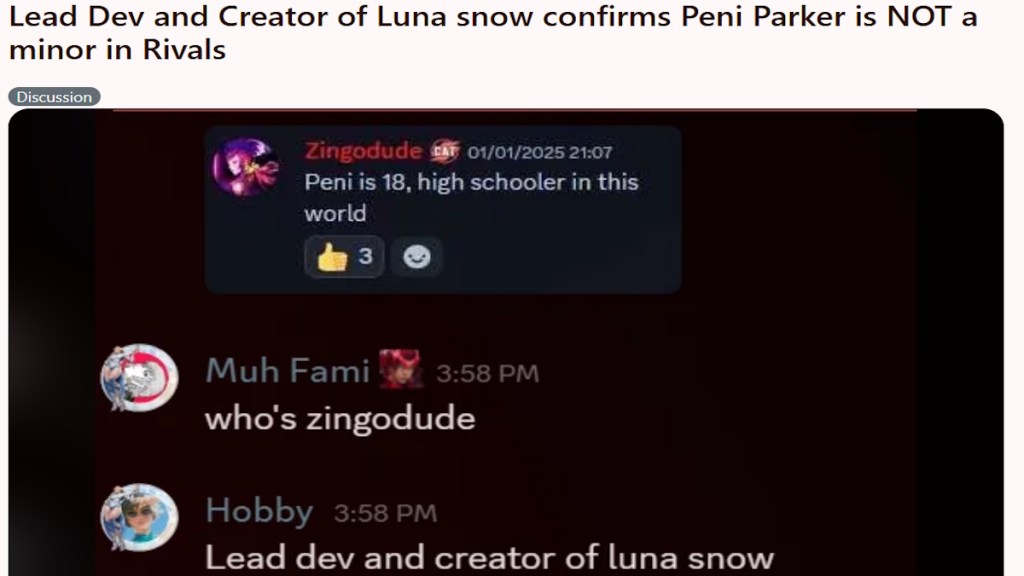
When Marvel Rivals launched, I checked the credits, the live streams, and the dev Q&A. The game lists Peni Parker as 18 years old—confirmed on stage by Danny Koo, executive producer at Marvel Games who has spoken publicly about character details for the title.
That makes Rivals’ Peni a high schooler at the upper end of adolescence and exactly four years older than her original comics and film incarnation. The change lets NetEase present her as an adult in gameplay without altering SP//dr’s design or core character beats.
How old is Peni Parker in Marvel comics and movies?
Peni was introduced in Edge of Spider-Verse #5 as a 14-year-old Japanese-American girl, and that same age carried over to the Into the Spider-Verse films. That’s the version most fans remember.
Are Peni and Miles the same age in Marvel comics?
Yes. In the comics, Peni and Miles Morales are roughly contemporaries—both teenagers navigating school life and super-science responsibilities.
Why Was Peni Parker’s Age Changed in Marvel Rivals?
I watched conversations on X and Discord where moderators flagged regional rating rules as the likely cause. The change is a practical fix: NetEase needed a safe path for global distribution.
Here’s the reality: several markets, China included, enforce strict rules on the depiction of violence involving minors. If a playable character is legally a child, a shooter or hero brawler can face tougher censorship, higher age ratings, or outright rejection on local storefronts. Making Peni 18 functions like a legal safety valve—simple, effective, and fast to implement.
Danny Koo and the Marvel Games spokespeople have said the team wanted to keep SP//dr intact while avoiding legal headaches that could limit the game’s reach. NetEase isn’t planning to commission new, original Marvel heroes for the roster any time soon; reworking existing characters was the pragmatic route.
Fans split quickly: some called the change protective, others saw it as unnecessary. From a publisher’s perspective, though, the move reduces friction with rating boards like the ESRB and China’s game regulators—fewer edits, a cleaner launch window, and broader platform support on Steam, iOS, and Android stores.
NetEase and Marvel Games kept Peni’s design, voice, and mech intact, so the emotional beats from Into the Spider-Verse and the comics survive. The character shift feels less like a rewrite and more like sliding a permissive label onto an existing package, and the gameplay impact is effectively zero.
If you follow dev livestreams on Twitch or read patch notes on X, you’ll see this kind of change pop up as a practical trade: global accessibility versus strict fidelity to source material. For this release, accessibility won—does that make the character less authentic, or just safer for a worldwide audience?
Where do you stand on adjusting character ages to pass regional rules: smart risk management or a loss of original texture?